
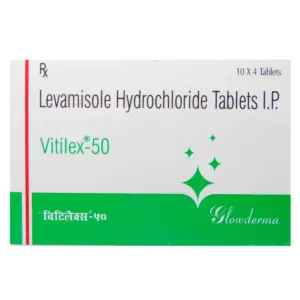
Dicaris Children 50 mg (Levamisole)

Price range: $5.00 through $15.00
| Active Ingredient: | Levamisole |
|---|---|
| Indication: | Worm infections |
| Manufacturer: | Janssen Pharmaceuticals, India |
| Packaging: | 1 Tablet in 1 strip |
| Strength: | 50mg |
| Delivery Time: | 7 to 15 days |
Dicaris Children 50 mg (Levamisole) — Complete Pharmacy Guide
What is Dicaris Children 50 mg?
Every parent knows the worry that comes with discovering their child has a worm infection. It is more common than most people realize — intestinal worm infections affect hundreds of millions of children worldwide, and in many parts of the world, they are simply a routine part of childhood that needs to be addressed promptly, effectively, and safely. Dicaris Children 50 mg is precisely the kind of medicine that makes that process straightforward — a trusted, well-established, single-dose oral antiparasitic treatment formulated specifically with children’s safety, tolerability, and ease of administration in mind.
Dicaris Children 50 mg contains 50 mg of Levamisole hydrochloride per dose unit — a strength carefully calibrated for pediatric patients, delivering a therapeutically effective concentration of Levamisole to treat the most common intestinal worm infections in children while maintaining an appropriate safety profile for younger, smaller patients. Manufactured by Janssen Pharmaceutica — a subsidiary of Johnson & Johnson — Dicaris Children carries the same trusted pharmaceutical heritage as its adult counterpart, Dicaris Adults 150 mg, but is specifically designed for the pediatric population.
The choice of 50 mg as the pediatric strength reflects the weight-based dosing principle that governs safe and effective antiparasitic therapy in children. While adults receive 150 mg as a standard single dose, children — whose body weight, hepatic metabolic capacity, and neurological development differ significantly from adults — require a lower, age-and-weight-appropriate dose. The 50 mg formulation provides a convenient base unit from which weight-appropriate dosing can be practically delivered, making it suitable for children across a range of ages and sizes when dosed according to the prescribing physician’s or pharmacist’s guidance.
Dicaris Children 50 mg is typically available as a chewable tablet or oral suspension — formulation choices that reflect the practical realities of administering medicines to young children who may have difficulty or reluctance to swallow standard tablets. Flavored formulations — commonly orange or banana flavored — further improve palatability and patient compliance, making the treatment experience as stress-free as possible for both child and parent.
Levamisole — the active ingredient in Dicaris Children — belongs to the imidazothiazole class of anthelmintic compounds and has been in clinical use for human parasitic infections since the late 1960s. Its history in pediatric medicine is long and well-documented, and its efficacy and safety at appropriate pediatric doses have been established across diverse global patient populations over more than five decades. In addition to its antiparasitic properties, Levamisole carries the fascinating distinction of being one of the few antiparasitic agents with well-documented immunomodulatory properties — a dimension of its pharmacology that has led to its use in pediatric nephrology for the management of frequently relapsing nephrotic syndrome, a completely separate but clinically important application.
For parents, caregivers, and healthcare professionals alike, Dicaris Children 50 mg represents a reliable, convenient, and evidence-backed answer to one of the most common pediatric infectious health challenges worldwide.
Understanding How Dicaris Children 50 mg Works?
Understanding the science behind Dicaris Children 50 mg helps parents and caregivers appreciate why this medicine works so rapidly and effectively — and why completing the treatment as directed is so important.
The Antiparasitic Mechanism — Spastic Paralysis
Levamisole works through a mechanism that is elegantly targeted at the parasite’s nervous system. In both human and parasitic nervous systems, muscles are controlled by chemical signals called neurotransmitters. One of the most important is acetylcholine, which acts at specialized receptors called nicotinic acetylcholine receptors (nAChRs) at the point where nerves meet muscle fibers — the neuromuscular junction. Normally, acetylcholine is released, briefly activates the receptor to cause muscle contraction, and is then rapidly broken down — allowing the muscle to relax. This on-off cycle produces coordinated, rhythmic movement.
Levamisole acts as a sustained agonist at the specific subtype of nicotinic acetylcholine receptors found in parasitic nematode neuromuscular junctions. By binding to and continuously stimulating these receptors — without being broken down the way acetylcholine is — Levamisole produces sustained, irreversible depolarization of the parasite’s muscle cells. The result is spastic paralysis — the worm’s entire muscular system locks into a state of continuous rigid contraction.
Once paralyzed, the worm:
- Loses its grip on the intestinal wall and can no longer maintain its position in the gastrointestinal tract
- Is swept along by the natural wave-like contractions of normal intestinal movement (peristalsis)
- Is expelled from the body in the child’s faeces — typically within 24 hours of treatment
This rapid onset of action is one of Levamisole’s most practically valuable features — parents can expect to see results within a day of giving their child the medicine.
Why Is It Safe for Children at the Correct Dose?
The pharmacological selectivity that makes Levamisole safe for children rests on the fact that the specific nAChR subtypes targeted by Levamisole in nematode neuromuscular junctions are structurally and pharmacologically distinct from those in human skeletal muscle and the human nervous system. At the 50 mg pediatric therapeutic dose, Levamisole acts selectively on the parasite’s receptors while leaving the child’s own neuromuscular function unaffected.
This selectivity is not absolute, which is why precise weight-based dosing is important in children, and why the pediatric formulation exists separately from the adult formulation. Children’s developing nervous systems and immature hepatic metabolic pathways mean that the margin between a therapeutic and a potentially toxic dose is more critical in pediatric patients than in adults. The 50 mg pediatric formulation and the weight-based dosing guidance built around it are specifically designed to keep every child’s dose within the safe and effective therapeutic range.
The Immunomodulatory Dimension
Beyond its antiparasitic action, Levamisole has well-documented properties as a biological response modifier — it stimulates and regulates the host immune system through several mechanisms:
- Enhancing T-lymphocyte function and restoring cell-mediated immune responses
- Activating macrophages to improve phagocytosis and antigen presentation
- Boosting natural killer (NK) cell activity
- Improving neutrophil chemotaxis — the directed movement of infection-fighting white blood cells toward sites of infection
These immunostimulatory properties are the pharmacological basis for Levamisole’s use in pediatric nephrotic syndrome — a completely different clinical application from its antiparasitic use, but one that has been extensively studied and validated in pediatric nephrology practice worldwide.
What Does Dicaris Children 50 mg Treat?
Primary Antiparasitic Indications in Children
Ascariasis — Roundworm (Ascaris lumbricoides): Roundworm is one of the most prevalent parasitic infections in children globally — it is estimated to affect over 800 million people worldwide, with children in tropical and subtropical regions bearing the greatest burden. Children typically become infected by accidentally ingesting microscopic roundworm eggs from contaminated soil, unwashed vegetables, or contaminated hands. The eggs hatch in the intestine, larvae migrate through the body, and adult worms eventually settle in the small intestine — where they compete with the child for nutrients, cause abdominal discomfort, and in heavy infections can cause intestinal obstruction or migrate into the bile ducts.
Symptoms in children range from mild and non-specific — reduced appetite, intermittent abdominal pain, irritability — to more severe manifestations including visible worms passed in the stool or vomited. A single dose of Dicaris Children 50 mg (dosed by weight) is highly effective against adult Ascaris worms, causing rapid paralysis and expulsion — typically within 24 hours.
Hookworm Infections (Ancylostoma duodenale / Necator americanus): Hookworm is transmitted through skin contact with contaminated soil — larvae penetrate the skin (usually bare feet) and migrate to the intestine. Once in the small intestine, hookworms attach to the intestinal wall and feed on blood — making hookworm infection one of the leading causes of iron-deficiency anaemia in children in endemic regions. The impact on a growing child’s health, development, and cognitive function can be profound when hookworm infection is heavy or persistent.
Levamisole is effective against both hookworm species. For significant infections, a short multi-day course may be recommended by the prescribing physician.
Enterobiasis — Pinworm / Threadworm (Enterobius vermicularis): Pinworm is the single most common helminth infection in children in many countries — including developed nations where other worm infections are rarely encountered. It spreads with remarkable ease through the faecal-oral route — from contaminated hands, bedding, clothing, toys, and shared surfaces. The characteristic symptom is intense perianal itching — particularly at night — caused by female worms migrating to the skin around the anus to deposit eggs. Sleep disturbance, restlessness, irritability, and poor concentration at school are common consequences in affected children.
A single dose of Dicaris Children 50 mg (weight-based) is effective against adult pinworms. Because pinworm reinfection is so common and the egg-laying cycle means new worms may hatch after the initial treatment, a repeat dose after 2 weeks is routinely recommended. Crucially — all household members, including parents and siblings, should be treated simultaneously.
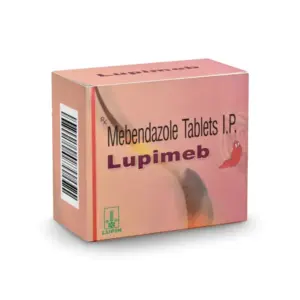
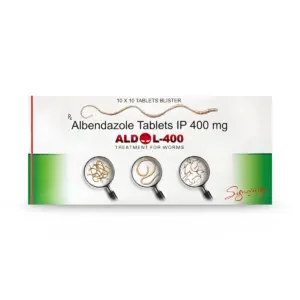
Trichuriasis — Whipworm (Trichuris trichiura): Levamisole has some activity against whipworm though its efficacy as monotherapy is less reliable than for Ascaris or hookworm. For significant whipworm infections in children, Albendazole or Mebendazole are generally preferred as first-line agents, with Levamisole potentially playing a role in combination therapy or as an alternative where preferred agents are unavailable.
Immunomodulatory Indication — Pediatric Nephrotic Syndrome
This is a completely distinct clinical use of Dicaris Children 50 mg — one that goes beyond antiparasitic treatment and reflects the remarkable pharmacological breadth of Levamisole as a compound.
Nephrotic Syndrome is a kidney condition characterized by heavy protein loss in the urine (proteinuria), low blood protein levels (hypoalbuminaemia), generalized body swelling (oedema), and elevated blood lipids. It is one of the most common kidney diseases in children, and while corticosteroids (typically Prednisolone) are the cornerstone of initial treatment, a significant proportion of children experience frequently relapsing or steroid-dependent disease — meaning the condition keeps coming back when steroids are reduced or stopped, or the child requires ongoing steroid therapy to keep the disease in remission.
Long-term steroid use in children carries significant concerns — growth suppression, weight gain, bone density reduction, immune suppression, and behavioral changes. Levamisole’s immunomodulatory properties offer a valuable steroid-sparing strategy in this setting. Multiple clinical studies and decades of pediatric nephrology experience have demonstrated that Levamisole significantly:
- Reduces the frequency of nephrotic syndrome relapses
- Allows steroid doses to be reduced or gradually withdrawn
- Maintains remission in many children who previously relapsed frequently
- Has a favorable long-term safety profile when used with appropriate monitoring
Levamisole for nephrotic syndrome in children is prescribed and managed by pediatric nephrologists — typically at a dose of 2–2.5 mg/kg on alternate days — and requires regular monitoring, including complete blood counts to detect any early signs of bone marrow effects.
Drug Interactions:-
Phenytoin: Levamisole may increase plasma concentrations of Phenytoin by inhibiting its hepatic metabolism. Children with epilepsy who are taking Phenytoin as part of their anticonvulsant regimen should be monitored for signs of Phenytoin toxicity — including nystagmus, unsteady gait, confusion, and drowsiness — during concurrent Levamisole use. Inform the prescribing neurologist or pediatrician before administering Levamisole to a child on Phenytoin.
Warfarin and Anticoagulants: Levamisole may enhance anticoagulant effects. While anticoagulant use in children is less common than in adults, it is encountered in specific pediatric conditions. If your child is on any anticoagulant therapy, inform the prescribing doctor before treatment with Dicaris Children.
Immunosuppressive Agents: Children receiving immunosuppressive therapy — for example, following organ transplantation or for autoimmune conditions — require specialist evaluation before receiving Levamisole, as its immunostimulatory properties may interfere with immunosuppressive treatment regimens.
Alcohol: Not applicable in the context of pediatric antiparasitic therapy, but relevant to note for completeness — alcohol-containing medicines or tonics should be avoided around the time of Levamisole administration due to a potential disulfiram-like interaction.
Other Antiparasitic Agents: Avoid concurrent use with other nicotinic receptor agonists — including Pyrantel pamoate — as additive cholinergic effects may occur. If combination antiparasitic therapy is required, consult a physician to select compatible drug combinations.
Side Effects:-
At the Pediatric Therapeutic Dose — Generally Very Well Tolerated: The great majority of children receiving a single weight-appropriate dose of Dicaris Children 50 mg for intestinal worm infections experience no significant side effects. The medicine is well-tolerated in the pediatric population at recommended doses. When side effects do occur, they are typically mild and short-lived:
- Nausea or mild stomach discomfort — the most commonly reported effect; usually resolves within a few hours and can be minimized by taking the medicine with a light snack
- Vomiting — occasional; if the child vomits within 30 minutes of taking the dose, consult the pharmacist or doctor about whether a replacement dose is needed
- Dizziness or lightheadedness — mild and transient
- Headache — uncommon; usually brief
- Skin rash or mild itching — uncommon; monitor and report to the doctor if persistent
- Loose stools or mild diarrhoea — transient; related to passage of dying worms
With Prolonged Use — Nephrotic Syndrome Context: Children receiving Levamisole on an ongoing alternate-day basis for nephrotic syndrome require active medical monitoring for a more comprehensive range of potential effects:
- Leucopenia / Agranulocytosis — reduction in white blood cells; the most serious potential side effect of prolonged Levamisole therapy; increases susceptibility to infections. Regular complete blood count (CBC) monitoring every 2–4 weeks is mandatory during prolonged therapy. Parents should be counseled to report any fever, mouth sores, or signs of unusual infection promptly
- Flu-like symptoms — fever, fatigue, muscle aches; relatively common with prolonged use; usually manageable
- Skin reactions — rash, urticaria; report to the treating nephrologist
- Gastrointestinal effects — nausea, abdominal discomfort, occasional vomiting
- Hair thinning — uncommon; reversible on stopping treatment
- ANCA-associated vasculitis — rare but serious autoimmune complication; presents with skin rashes, joint pain, and kidney involvement; requires immediate specialist evaluation
Seek immediate medical attention if your child develops:
- Fever — particularly persistent or high fever — during or after treatment
- Unusual bruising, bleeding, or pallor
- Mouth sores or ulcers during prolonged therapy
- Significant skin reactions — widespread rash, blistering, or skin peeling
- Neurological changes — confusion, difficulty walking, or unusual behavior
- Signs of serious infection — particularly during prolonged immunomodulatory therapy
Storage Instructions:-
- Store at room temperature between 15°C and 30°C (59°F–86°F)
- Protect from direct sunlight, heat, and moisture
- Do not store in the bathroom — humidity degrades the tablets over time
- Keep in the original blister packaging or original bottle until the dose is ready to administer
- Oral suspension — refrigerate if specified on the label; shake well before each use; discard any remaining suspension after the period specified on the label
- Keep strictly out of reach of children — the packaging should be child-resistant but never rely solely on packaging as a safety barrier
- Do not use beyond the expiry date on the packaging
- Return any unused or expired medicine to your nearest pharmacy for safe, environmentally responsible disposal
Frequently Asked Questions (FAQs)?
Q1. How do I know if my child has worms?
Common signs of intestinal worm infections in children include unexplained abdominal pain or cramping, reduced appetite, irritability, disturbed sleep, visible worms in the stool or around the anus (particularly for pinworm — tiny white thread-like worms), perianal itching (especially at night), teeth grinding during sleep, and in heavier infections, weight loss or poor growth. However, many worm infections in children cause no obvious symptoms at all. If you suspect your child has worms, a stool examination or perianal tape test (for pinworm) can confirm the diagnosis. Always consult a doctor or pharmacist before starting treatment.
Q2. Is it safe to give Dicaris Children 50 mg to a toddler?
Dicaris Children 50 mg is generally indicated for children above 1 year of age. For toddlers between 1 and 2 years of age, use only under the specific guidance of a pediatrician who can assess the child’s weight, overall health status, and the clinical necessity of treatment. For infants under 12 months, antiparasitic treatment should only be initiated under direct specialist pediatric supervision. Never administer antiparasitic medicine to a very young child based on general label guidance alone — always seek professional advice.
Q3. My child vomited after taking the tablet — do I need to give another dose?
If your child vomited within 30 minutes of taking Dicaris Children 50 mg, likely that the medicine was not fully absorbed. Contact your pharmacist or doctor — they will advise whether a replacement dose should be given. If vomiting occurred more than an hour after the dose was taken, the medicine has likely already been adequately absorbed, and a replacement dose is not needed. Keep the child calm and well hydrated after vomiting and monitor for any further symptoms.
Q4. Can I give Dicaris Children 50 mg to my child alongside their regular vitamins or supplements?
There are no known clinically significant interactions between Levamisole and standard pediatric vitamins or mineral supplements. However, as a general principle, always inform your pharmacist of everything your child is currently taking before starting any new medicine — including supplements, herbal products, and traditional remedies. Your pharmacist can confirm that no interactions apply to your child’s specific situation.
Q5. My child is on medication for epilepsy — is Dicaris Children’s safe?
This requires careful medical evaluation. Levamisole can increase blood levels of Phenytoin — an anticonvulsant commonly used in childhood epilepsy — by inhibiting its metabolism in the liver. This interaction can potentially cause signs of Phenytoin toxicity in the child. Before giving Dicaris Children 50 mg to a child on any anticonvulsant medication, consult the child’s prescribing neurologist or pediatrician. They will assess whether the interaction is clinically significant for your child’s specific anticonvulsant regimen and advise accordingly.
Q6. How long after treatment will the worms be gone?
Dicaris Children 50 mg acts rapidly — spastic paralysis of susceptible worms begins within hours of the dose. Most adult worms are expelled in the child’s stool within 24–48 hours of treatment. You may notice dead or dying worms in the child’s stool during this period — this is entirely normal and is a reassuring sign that the medicine is working effectively. Perianal itching from pinworm may take a few days to fully resolve as inflammation settles, even after the worms themselves have been expelled.
⚠️ Disclaimer:-
The information provided in this comprehensive guide about Dicaris Children 50 mg (Levamisole) is intended strictly for general educational and informational purposes only and does not constitute medical advice, a clinical diagnosis, or a personalized treatment recommendation for any individual child or patient. This content must never replace consultation with a qualified and licensed pediatrician, medical doctor, pharmacist, or registered healthcare professional who is familiar with the child’s individual health status, current weight, medical history, current medications, and specific clinical circumstances.
Dosage guidelines, indications, contraindications, drug interactions, and safety information presented here are based on established pediatric pharmacological and clinical literature and may vary according to individual patient factors, the child’s age and developmental stage, regional prescribing guidelines, local regulatory requirements, specific product formulations available in your market, and evolving clinical evidence.
Additional information
| mg | 50 Mg |
|---|---|
| unit | 10 Tablets, 5 Tablets, 15 Tablets |



Reviews
There are no reviews yet.