
Albendazole 400 mg

Price range: $25.00 through $55.00
| Active Ingredient: | Albendazole |
|---|---|
| Indication: | Parasitic worm infections |
| Manufacturer: | Signature Pharma |
| Packaging: | 10 Tablets in 1 strip |
| Delivery Time: | 7 to 15 days |
Albendazole 400 mg — Complete Pharmacy Guide
What is Albendazole 400 mg?
Walk into almost any pharmacy around the world and mention a worm infection, and Albendazole 400 mg will almost certainly be part of the conversation. It is one of the most prescribed, most trusted, and most widely available antiparasitic medicines in modern healthcare. Simple, effective, and backed by decades of clinical evidence, Albendazole 400 mg has become a cornerstone of both individual patient treatment and large-scale public health programs targeting parasitic diseases globally.
Albendazole belongs to the benzimidazole class of anthelmintic (anti-worm) drugs. First developed in the 1970s, it quickly gained recognition for its broad-spectrum activity — meaning it works against a wide variety of parasitic worms rather than just one or two specific species. This versatility, combined with its favorable safety profile and affordability, led the World Health Organization (WHO) to include Albendazole on its List of Essential Medicines — a prestigious designation reserved for medicines considered absolutely critical to global public health.
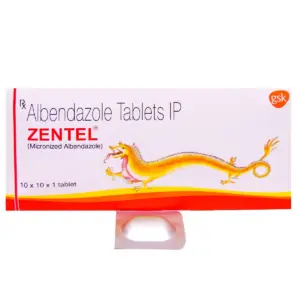
Today, Albendazole 400 mg is available under numerous brand names worldwide — including Zentel, Albenza, Noworm, and Almex — but the active ingredient and its therapeutic action remain the same regardless of the brand name on the packaging. It is dispensed in pharmacies across more than 150 countries and is also the medicine of choice in WHO-led mass drug administration (MDA) programs that have helped reduce the burden of neglected tropical diseases affecting hundreds of millions of people in Africa, Asia, and Latin America.
Understanding How Albendazole 400 mg Works?
To appreciate why Albendazole 400 mg is so effective, it helps to understand what it actually does to parasites at a biological level — and it’s quite elegant in its mechanism.
Parasitic worms, like all living cells, depend on a structural protein called tubulin to maintain their cellular architecture and carry out basic functions. Tubulin forms the internal scaffolding (called microtubules) that gives cells their shape and enables them to divide, move, and transport essential nutrients. Albendazole works by selectively binding to beta-tubulin in parasitic cells and preventing its polymerization — essentially stopping the parasite from building or maintaining this critical scaffolding.
The consequences for the parasite are devastating. Without functional microtubules, the worm loses its ability to absorb glucose, its primary source of energy. Starved of fuel, it becomes progressively immobilized, its reproductive capacity shuts down, and it eventually dies. This process does not happen instantly — it unfolds over hours to days, which is why you may continue to see parasites passing in the stool for a short period after taking the medicine. That is entirely normal and actually a sign the drug is working.
One of Albendazole’s most clinically important properties is that it is absorbed into the systemic bloodstream, unlike some older antiparasitic drugs that act purely within the gut. This allows it to reach tissues, organs, and even the central nervous system — making it effective not just for intestinal worms but for serious invasive parasitic diseases affecting the liver, lungs, muscles, and brain.
What Conditions Does Albendazole 400 mg Treat?
Albendazole 400 mg has one of the broadest spectrums of activity of any single antiparasitic medicine. Here is a detailed look at the conditions it covers:
Common Intestinal Worm Infections:
- Roundworm (Ascaris lumbricoides) — among the most prevalent parasitic infections globally; spreads through contaminated soil and food
- Hookworm (Ancylostoma duodenale and Necator americanus) — attaches to the intestinal wall and feeds on blood, causing anaemia and malnutrition
- Whipworm (Trichuris trichiura) — causes chronic diarrhoea, abdominal pain, and impaired growth in children
- Pinworm / Threadworm (Enterobius vermicularis) — extremely contagious, particularly in school-age children; causes intense perianal itching, especially at night
- Giardiasis (Giardia lamblia) — a protozoan infection causing bloating, loose stools, and malabsorption; often associated with contaminated drinking water
- Strongyloidiasis (Strongyloides stercoralis) — uniquely capable of autoinfection, allowing it to persist in the human body for decades if untreated
Serious Tissue and Systemic Parasitic Infections:
- Neurocysticercosis — caused by larvae of the pork tapeworm (Taenia solium) lodging in the brain or spinal cord; one of the leading causes of adult-onset epilepsy in endemic regions
- Cystic Echinococcosis (Hydatid Disease) — caused by larval cysts of Echinococcus granulosus forming in the liver, lungs, or other organs; Albendazole is used before and after surgical intervention and sometimes as the sole treatment for inoperable cases
- Alveolar Echinococcosis — a rarer but more aggressive form caused by Echinococcus multilocularis; long-term Albendazole therapy is often required
- Cutaneous Larva Migrans — caused by animal hookworm larvae migrating under the skin, producing a characteristic serpentine, intensely itchy rash
- Visceral Larva Migrans (Toxocariasis) — caused by dog or cat roundworm larvae that migrate into human tissues, including the liver, lungs, and eyes
- Lymphatic Filariasis — used in combination with Ivermectin or Diethylcarbamazine (DEC) as part of the WHO global elimination programs targeting the mosquito-transmitted filarial worms that cause lymphoedema and elephantiasis
- Trichinellosis — caused by Trichinella spiralis larvae encysted in muscle tissue following consumption of undercooked pork or game meat
Dosage and Administration:-
Correct dosing is one of the most important factors determining how well Albendazole 400 mg works. Here is a clear, practical guide:
Standard Dosing Table:
| Condition | Dose | Duration |
|---|---|---|
| Roundworm, Hookworm, Whipworm | 400 mg single dose | Once |
| Pinworm (Threadworm) | 400 mg single dose | Repeat after 2 weeks |
| Giardiasis | 400 mg once daily | 5 days |
| Strongyloidiasis | 400 mg once daily | 3 days |
| Cutaneous Larva Migrans | 400 mg once daily | 3–5 days |
| Toxocariasis | 400 mg twice daily | 5 days |
| Neurocysticercosis (>60 kg) | 400 mg twice daily | 8–30 days (cyclic) |
| Neurocysticercosis (<60 kg) | 15 mg/kg/day in 2 divided doses | 8–30 days (cyclic) |
| Hydatid Disease (>60 kg) | 400 mg twice daily | 28 days on / 14 days off (3+ cycles) |
| Hydatid Disease (<60 kg) | 15 mg/kg/day in 2 divided doses | 28 days on / 14 days off (3+ cycles) |
| Trichinellosis | 400 mg twice daily | 8–14 days |
With Food or Without?
This depends on what you are being treated for:
- Intestinal worm infections — Albendazole 400 mg can be taken with or without food
- Systemic / tissue infections (neurocysticercosis, hydatid disease) — Always take with a fatty meal such as full-fat milk, eggs, cheese, or any meal containing healthy fats. Dietary fat dramatically increases the absorption of Albendazole Sulfoxide — the active metabolite — into the bloodstream, which is essential for reaching parasites in tissues and organs
Can the Tablet Be Chewed? Yes — Albendazole 400 mg tablets can be chewed, swallowed whole, or crushed and mixed with a small amount of food or juice. This makes it particularly practical for children and elderly patients who have difficulty swallowing tablets.
Before You Take Albendazole 400 mg — Tell Your Pharmacist?
Your pharmacist plays a critical role in ensuring this medicine is safe for you specifically. Before dispensing, they will want to know:
- Pregnancy status — Albendazole 400 mg is contraindicated in the first trimester and should be used with extreme caution throughout pregnancy. Women of childbearing age must take a reliable pregnancy test before starting treatment, and effective contraception must be used during therapy and for at least one month after completing the course
- Liver health — Albendazole 400 mg is metabolized in the liver and can occasionally cause elevated liver enzymes. Patients with pre-existing liver disease require monitoring and possible dose adjustment
- Blood disorders — Prolonged therapy can rarely cause bone marrow suppression (reduction in blood cell production). A baseline blood count before starting long-term treatment is advisable
- Eye conditions — In patients with retinal lesions associated with neurocysticercosis, Albendazole treatment may cause further retinal damage due to inflammatory reactions triggered by dying cysts. An ophthalmologist should assess retinal involvement before treatment begins
- All current medications — Drug interactions can affect both safety and efficacy
- Age and weight of the patient — Particularly important for pediatric dosing
Drug Interactions:-
Albendazole 400 mg interacts with several medicines that may affect its levels in the body or alter its effectiveness:
- Dexamethasone — increases plasma levels of Albendazole Sulfoxide; often co-prescribed in neurocysticercosis to reduce inflammation around dying cysts
- Praziquantel — increases peak plasma concentration of Albendazole; may be used together in certain parasitic infections under medical supervision
- Cimetidine — inhibits the metabolism of Albendazole, raising its concentration in bile and liver cysts — may be used advantageously in hydatid disease
- Theophylline — Albendazole may slow the breakdown of theophylline; blood theophylline levels should be monitored
- Carbamazepine and Phenytoin — anticonvulsant drugs that may reduce Albendazole plasma levels, potentially reducing its efficacy in neurocysticercosis patients who are also being treated for seizures
- Ritonavir and certain antiretrovirals may reduce Albendazole absorption and effectiveness
Always present a complete and updated medication list to your pharmacist — including herbal supplements and vitamins — before starting Albendazole therapy.
Side Effects:-
Short-Term / Single Dose (Intestinal Worms): The vast majority of patients taking a single 400 mg dose for common intestinal worms experience no side effects whatsoever. When they do occur, they are mild and brief:
- Mild stomach cramps or nausea
- Loose stools or mild diarrhoea
- Headache or dizziness
- Flatulence
Prolonged High-Dose Therapy (Systemic Infections): Side effects become more notable and require monitoring during long-term treatment cycles:
- Elevated liver enzymes (hepatotoxicity) — detected on routine blood tests; usually reversible
- Leucopenia (reduced white blood cell count) — increases infection susceptibility
- Hair thinning or temporary hair loss (alopecia) — typically reverses after completing therapy
- Fever and skin rash
- Headache — sometimes severe in neurocysticercosis due to an inflammatory response
Serious Side Effects — Seek Immediate Medical Attention:
- Jaundice — yellowing of skin or eyes indicating liver toxicity
- Unusual bruising, bleeding, or persistent infections — possible bone marrow suppression
- Severe skin reactions — blistering, widespread peeling, or mucosal involvement
- Vision changes — particularly in patients with retinal involvement
- Severe neurological symptoms in neurocysticercosis patients — seizures, severe headache, vomiting, or altered consciousness
Special Populations:-
Children: Albendazole 400 mg is widely used in children above 2 years of age. The tablet can be chewed or crushed for easier administration. For children under 2 years, or those weighing less than 10 kg, use only under strict medical supervision with weight-based dosing. Albendazole is a key medicine in WHO school-based deworming programs targeting children in high-risk regions.
Elderly Patients: Older adults generally tolerate single-dose Albendazole well. For prolonged therapy, age-related decline in liver function and potential interactions with multiple medications should be carefully evaluated before and during treatment.
Immunocompromised Patients: Patients with HIV/AIDS, those on immunosuppressive therapy, or transplant recipients are at higher risk of severe or disseminated parasitic infections. Albendazole may be required at higher doses or for longer durations, and these patients need particularly close monitoring.
Travellers: Returning travellers from tropical or subtropical regions presenting with gastrointestinal symptoms, unexplained eosinophilia (raised white blood cell count on blood tests), skin rashes, or fatigue should always mention their travel history. Parasitic infections are chronically underdiagnosed in travellers, and Albendazole may be a key part of treatment.
Storage and Handling:-
- Store at room temperature between 15°C and 30°C (59°F–86°F)
- Protect from direct sunlight, moisture, and excessive heat
- Do not store in the bathroom — humidity accelerates drug degradation
- Keep tablets in their original blister pack until ready to use
- Oral suspension: Shake well before each use; check label for specific storage instructions; do not freeze
- Keep all medicines out of reach of children and pets
- Do not use beyond the expiry date printed on the packaging
- Return unused or expired medicine to your nearest pharmacy for safe disposal — never flush medicines down the drain or discard in household waste
Frequently Asked Questions (FAQs)?
Q1. Is Albendazole 400 mg available over the counter?
In many countries, a single 400 mg dose for common intestinal worm infections is available without a prescription. However, for systemic or tissue-invasive infections requiring prolonged therapy, a prescription from a licensed medical practitioner is mandatory. Even where it’s available over the counter, professional diagnosis is always recommended before self-treating.
Q2. How soon does Albendazole 400 mg start working?
Albendazole 400 mg begins acting on parasites within hours of ingestion by disrupting their energy metabolism. For intestinal worms, you may notice dead worms passing in the stool within 1–3 days. For systemic infections, the medicine works much more slowly — improvement occurs gradually over weeks to months of cyclic therapy.
Q3. Do I need to repeat the dose?
For most common intestinal worm infections, a single 400 mg dose is sufficient. However, for pinworm infections, a second dose after 2 weeks is routinely recommended to eliminate any newly hatched worms that survived the first dose. For systemic infections, multiple treatment cycles are required as directed by your doctor.
Q4. Should the whole family be treated together?
For pinworm (threadworm) infections specifically, yes — treating all members of the household simultaneously is strongly recommended, as pinworms spread very easily through shared surfaces, bedding, and hand contact. Alongside medication, strict hygiene measures must be maintained to prevent reinfection.
Q5. Can Albendazole 400 mg be taken during breastfeeding?
For a single short-course dose, the risk to a breastfed infant is considered low, but it is always best to consult your doctor before taking any medicine while breastfeeding. For prolonged high-dose therapy, breastfeeding is generally not recommended during the treatment period.
Q6. What if I vomit shortly after taking Albendazole 400 mg?
If you vomit within 30 minutes of taking the tablet, likely that the medicine was not fully absorbed. Contact your pharmacist or doctor — they may advise you to take a replacement dose. If vomiting occurs more than an hour after ingestion, the dose has likely already been absorbed and does not need to be repeated.
⚠️ Disclaimer:-
The information provided in this content about Albendazole 400 mg is intended strictly for general educational and informational purposes and does not constitute medical advice, a clinical diagnosis, or a personalized treatment recommendation for any individual patient. This content should not replace consultation with a qualified and licensed medical doctor, pharmacist, or registered healthcare professional.
Dosage guidelines, indications, contraindications, drug interactions, and safety information presented here are drawn from established pharmacological and clinical literature and may vary based on individual patient factors, local prescribing guidelines, product-specific formulations, regulatory requirements, and evolving medical evidence.
Do not self-diagnose or self-medicate. Parasitic infections should be confirmed by appropriate laboratory investigation before treatment is initiated. Sharing prescription medicines with others is both dangerous and illegal. The publisher and distributor of this content accept no liability whatsoever for any adverse health outcomes, losses, or damages arising from the use, misuse, or reliance on this information without appropriate professional medical or pharmacological guidance.
Additional information
| mg | 400 Mg |
|---|---|
| unit | 20 Tablets, 40 Tablets, 60 Tablets |



Reviews
There are no reviews yet.