
Antiviral Medications:-
Understanding Antiviral Treatments:-
Antiviral medications are prescription medicines designed to help manage viral infections by targeting specific viruses in the body. Unlike antibiotics, which treat bacterial infections, antivirals work against viruses that cause various health conditions. This category includes medications used to manage both acute viral infections and chronic viral conditions.
Viral infections can range from common conditions to more serious illnesses requiring ongoing management. Antiviral treatments play an important role in helping reduce symptoms, shorten illness duration, and in some cases, suppress viral activity over extended periods.
What Conditions and Products Are Covered?
This category features antiviral medications commonly prescribed for various viral infections and conditions:
Herpes Virus Infections – Medications for managing genital herpes, cold sores (oral herpes), and shingles (herpes zoster)
Influenza (Flu) – Treatments that may help reduce flu symptoms and duration when started early
HIV Management – Antiretroviral medications used as part of comprehensive HIV treatment regimens
Hepatitis Infections – Medications for managing chronic hepatitis B and hepatitis C
Respiratory Syncytial Virus (RSV) – Treatments for certain respiratory viral infections, particularly in high-risk patients
Cytomegalovirus (CMV) – Medications used in immunocompromised patients to manage CMV infections
Human Papillomavirus (HPV) – Topical treatments for certain HPV-related skin conditions
COVID-19 – Antiviral medications prescribed for eligible patients with coronavirus infection
How Do Antiviral Medications Work?
Antiviral medications work through different mechanisms depending on the specific virus they target:
Inhibiting Viral Replication – Many antivirals prevent viruses from multiplying inside human cells, limiting the spread of infection throughout the body.
Blocking Viral Entry – Some medications prevent viruses from entering healthy cells, stopping infection at an early stage.
Interfering with Viral Enzymes – Certain antivirals target specific enzymes that viruses need to reproduce and survive.
Disrupting Viral Assembly – Some treatments prevent new virus particles from being properly assembled and released from infected cells.
Suppressing Viral Activity – Long-term antiviral therapy can keep chronic viral infections at low, manageable levels, though this does not eliminate the virus completely.
Shortening Infection Duration – When taken early in an infection, some antivirals can reduce how long symptoms last and their severity.
It’s important to understand that antivirals typically work best when started early in the course of infection. They do not cure all viral infections but help manage symptoms and viral activity.
Safe Usage and Important Considerations:-
Prescription Required – All antiviral medications require a valid prescription from a licensed healthcare provider. Self-medication with antivirals is not safe or appropriate.
Timing Matters – Many antivirals are most effective when started within a specific timeframe after symptom onset. Follow your healthcare provider’s instructions carefully.
Complete the Full Course – Even if you feel better, complete the entire prescribed course unless your doctor advises otherwise. Stopping early may allow the virus to rebound.
Not Effective Against Bacteria – Antivirals only work against viral infections. They will not treat bacterial infections, fungal infections, or parasitic conditions.
Drug Interactions – Antivirals can interact with many other medications, including over-the-counter drugs, herbal supplements, and vitamins. Always inform your healthcare provider of all substances you’re taking.
Kidney and Liver Function – Many antivirals are processed by the kidneys or liver. Dose adjustments may be necessary for patients with impaired kidney or liver function.
Resistance Concerns – Improper use of antivirals can lead to drug resistance, making future treatment less effective. Always use as prescribed.
Pregnancy and Breastfeeding – Some antivirals may not be safe during pregnancy or while breastfeeding. Discuss your situation with your healthcare provider before use.
Side Effects Monitoring – Report any unusual or severe side effects to your healthcare provider promptly. Some antivirals require regular monitoring through blood tests.
Buying Guidance for Patients:-
Obtain Valid Prescription – Ensure you have a current prescription from a licensed healthcare provider. Online prescriptions should come from legitimate telemedicine consultations.
Verify Pharmacy Credentials – Purchase only from licensed, regulated pharmacies. Check for proper licensing and registration credentials.
Check Medication Details – Verify the medication name, strength, and quantity match your prescription exactly before completing purchase.
Understand Dosing Schedule – Review how often you need to take the medication and at what times. Some antivirals require multiple daily doses at specific intervals.
Review Storage Requirements – Some antiviral medications require refrigeration or specific storage conditions. Understand these requirements before purchase.
Insurance Coverage – Check with your insurance provider about coverage, as some antiviral medications can be costly. Generic alternatives may be available for certain antivirals.
Expiration Dates – Verify that the medication has an adequate shelf life remaining, especially if purchasing a long-term supply.
Patient Information Leaflet – Read the complete patient information leaflet that comes with your medication for comprehensive usage and safety information.
Ask Questions – Don’t hesitate to consult with the pharmacist about proper use, potential side effects, or any concerns you have about your medication.
Refill Planning – For chronic conditions requiring long-term antiviral therapy, plan refills in advance to avoid treatment interruptions.
Frequently Asked Questions?
Do antiviral medications cure viral infections?
Antivirals help manage viral infections but don’t necessarily cure them. For acute infections like flu or COVID-19, antivirals can reduce symptom severity and duration. For chronic viral infections like HIV or hepatitis, antivirals suppress viral activity and help prevent disease progression, but they don’t eliminate the virus from the body. The goal of treatment varies depending on the specific infection and medication used.
How quickly do antiviral medications start working?
The timeframe varies by medication and condition. For acute infections like influenza, antivirals work best when started within 48 hours of symptom onset and may reduce illness duration by 1-2 days. For herpes outbreaks, starting treatment within 24-72 hours of symptom appearance can help reduce severity. For chronic conditions like HIV, it may take several weeks to see measurable effects on viral load. Always follow your healthcare provider’s guidance on when to start treatment.
Can I stop taking antiviral medication once I feel better?
No, you should complete the full prescribed course even if symptoms improve. Stopping antiviral medication early can allow the virus to rebound, potentially leading to more severe symptoms or complications. For chronic conditions requiring long-term antiviral therapy, never stop taking medication without consulting your healthcare provider, as this could lead to serious health consequences and drug resistance.
Are there side effects associated with antiviral medications?
Yes, like all medications, antivirals can cause side effects. Common side effects vary by medication but may include nausea, headache, dizziness, fatigue, or digestive issues. Some antivirals can affect kidney or liver function, requiring regular monitoring through blood tests. Serious side effects are less common but possible. Always report concerning symptoms to your healthcare provider. The benefits of treating the viral infection typically outweigh the risk of side effects when medications are used appropriately.
Medical Disclaimer:
This content is for informational purposes only and does not constitute medical advice, diagnosis, or treatment recommendations. Antiviral medications should only be used under the guidance of a qualified healthcare provider. Always consult with your doctor or pharmacist before starting any new medication, and seek immediate medical attention for serious symptoms or medical emergencies.
-
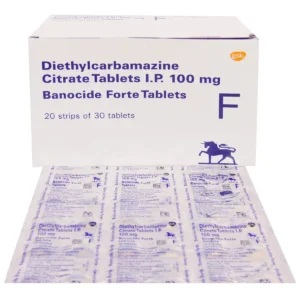
Banocide Forte 100 Mg (Diethylcarbamazine)
Active Ingredient Diethylcarbamazine Manufacturer GlaxoSmithKline Pharmaceuticals Ltd Packaging 20 tablets in 1 strip & 30 tablets in 1 strip Strength 100mg Delivery Time 6 To 15 days SKU: Banocide Forte 100 Mg (Diethylcarbamazine) Price range: $13.50 through $25.50Banocide Forte 100 Mg (Diethylcarbamazine)
Price range: $13.50 through $25.50 -

Antiflu 75 Mg (Oseltamivir)
Active Ingredient Oseltamivir Manufacturer Cipla Limited Packaging 10 Capsules in strip Strength 75mg Delivery Time 6 To 15 days SKU: Antiflu 75 Mg (Oseltamivir) Price range: $76.50 through $211.50Antiflu 75 Mg (Oseltamivir)
Price range: $76.50 through $211.50 -

Herpex Cream (Acyclovir)
Active Ingredient Acyclovir Manufacturer Torrent Pharmaceuticals Ltd Packaging 5 gm in 1 tube Strength 5% Delivery Time 6 To 15 days SKU: Herpex Cream (Acyclovir) Price range: $4.00 through $19.00Herpex Cream (Acyclovir)
Price range: $4.00 through $19.00 -
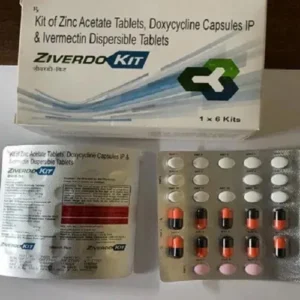
Ziverdo Kit
Active Ingredient Doxycycline, Ivermectin, Zinc Manufacturer Mankind Pharma Packaging 1 Kit Of (Ivermectin 12 Mg = 3 Tablet + Zinc 50mg = 14 Tablet + Doxycycline 100mg = 10 Capsules) Delivery Time 6 To 15 days SKU: Ziverdo Kit Price range: $85.00 through $810.00Ziverdo Kit
Price range: $85.00 through $810.00 -

Banocide Forte 50 Mg (Diethylcarbamazine)
Active Ingredient Diethylcarbamazine Manufacturer GlaxoSmithKline Pharmaceuticals Ltd Packaging 20 tablets in 1 strip & 30 tablets in 1 strip Strength 50mg Delivery Time 6 To 15 days SKU: Banocide Forte 50 Mg (Diethylcarbamazine) Price range: $10.80 through $21.00Banocide Forte 50 Mg (Diethylcarbamazine)
Price range: $10.80 through $21.00 -

Acivir Eye Ointment (Acyclovir)
Active Ingredient Acyclovir Manufacturer Cipla Limited Packaging 5gm in a Tube Strength 3% Delivery Time 6 To 15 days SKU: Acivir Eye Ointment (Acyclovir) Price range: $3.00 through $15.00Acivir Eye Ointment (Acyclovir)
Price range: $3.00 through $15.00 -
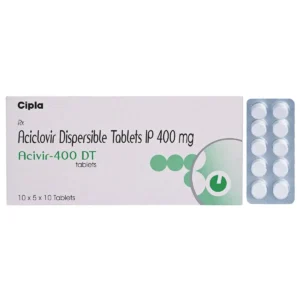
Acivir DT 400 Mg (Acyclovir)
Active Ingredient Acyclovir Manufacturer Cipla Limited Packaging 5 Tablets & 10 Tablets in Strips Strength 400mg, 800mg Delivery Time 6 To 15 days SKU: Acivir DT 400 Mg (Acyclovir) Price range: $52.20 through $255.00Acivir DT 400 Mg (Acyclovir)
Price range: $52.20 through $255.00 -
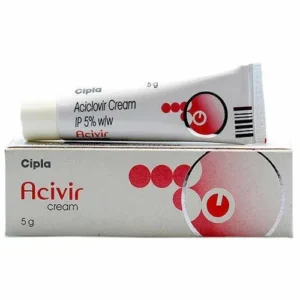
Acivir Cream (Acyclovir)
Active Ingredient Acyclovir Manufacturer Cipla Limited Packaging 5gm Tube Strength 5gm Delivery Time 6 To 15 days SKU: Acivir Cream (Acyclovir) Price range: $5.00 through $20.00Acivir Cream (Acyclovir)
Price range: $5.00 through $20.00