
Albendazole — One Medicine. Many Worms. Real Results.
The Broad-Spectrum Dewormer That Doesn’t Compromise
Some medicines do one thing well. Albendazole does many things well. While most antiparasitic treatments target one or two specific worm types, Albendazole works across a remarkably wide range of parasitic infections — making it one of the most versatile and widely used deworming medicines in the world. From common intestinal worms to more complex tissue-invading parasites, Albendazole is the kind of treatment that covers ground others simply cannot.
If you have been dealing with persistent digestive issues, unexplained fatigue, or a general sense that something is just not right — and worms haven’t been ruled out — this is worth knowing about.
What Makes Albendazole Different?
Most people think of deworming as a simple, one-size-fits-all process. In reality, different parasites behave very differently inside the body. Some stay in the intestines. Others travel into tissues, muscles, and even organs. Standard dewormers often cannot follow them there.
Albendazole can.
It works by blocking a process called tubulin polymerisation — essentially cutting off the worm’s ability to absorb glucose, which is its primary energy source. Without energy, the worm cannot move, reproduce, or survive. It gradually degenerates and is cleared from the body naturally. This mechanism is effective not just against worms living in the gut, but also against larval stages of parasites that have migrated into body tissues — something very few antiparasitic medicines can claim.
This is precisely why Albendazole features on the WHO List of Essential Medicines — a recognition reserved for treatments that are genuinely indispensable in global healthcare.
What Conditions Does Albendazole Treat?
Albendazole’s reach is broader than most antiparasitic medicines. It is clinically used to treat:
Common Intestinal Worm Infections
- Roundworms (Ascaris lumbricoides) — Cause abdominal pain, malnutrition, and poor growth
- Hookworms (Ancylostoma / Necator) — Lead to blood loss, anaemia, and persistent fatigue
- Whipworms (Trichuris trichiura) — Result in chronic diarrhoea and abdominal discomfort
- Pinworms (Enterobius vermicularis) — Cause intense anal itching, sleep disruption, and irritability
- Strongyloidiasis (Strongyloides stercoralis) — A persistent intestinal infection that can become severe in those with weakened immunity
Tissue & Organ-Invading Parasitic Infections
- Neurocysticercosis — A serious condition caused by pork tapeworm larvae (Taenia solium) invading the brain and nervous system
- Echinococcosis (Hydatid Disease) — Caused by tapeworm larvae forming cysts in the liver, lungs, or other organs
- Visceral Larva Migrans — Larval migration of animal roundworms (Toxocara) through human tissues
- Cutaneous Larva Migrans — A skin condition caused by hookworm larvae migrating under the skin surface
- Giardiasis — A protozoal intestinal infection causing persistent bloating, diarrhoea, and stomach cramps
This range is what sets Albendazole apart. It is not just a dewormer — it is a comprehensive antiparasitic treatment.
Spotting the Signs — When Should You Consider Albendazole?
Parasitic infections are masters of disguise. They often mimic other common health complaints, which is why they go undiagnosed for so long. Speak to your doctor about Albendazole if you are experiencing:
- Persistent abdominal pain, bloating, or irregular bowel movements
- Unexplained weight loss despite eating regularly
- Chronic fatigue or weakness with no clear cause
- Itching or unusual skin reactions
- Neurological symptoms such as seizures or persistent headaches (seek immediate medical attention)
- History of travel to regions with limited sanitation or clean water
- Regular consumption of undercooked meat, raw vegetables, or untreated water
A proper diagnosis through stool tests, blood work, or imaging is always the right starting point before beginning treatment.
How Is Albendazole Taken?
Albendazole is an oral tablet, typically taken with a meal — particularly a fatty meal, as this significantly improves its absorption into the body.
Dosage and duration vary depending on the infection:
| Infection Type | Typical Dose | Duration |
|---|---|---|
| Intestinal worms (roundworm, hookworm, whipworm) | 400 mg single dose | One day |
| Pinworms | 400 mg single dose | Repeat after 2 weeks |
| Strongyloidiasis | 400 mg twice daily | 3 days |
| Neurocysticercosis | 400 mg twice daily | 8–30 days (as advised) |
| Hydatid Disease | 400 mg twice daily | Cyclic courses under specialist care |
Dosages for children are adjusted based on body weight. Always follow your doctor’s prescription.
Who Can Take Albendazole?
Albendazole is suitable for:
- Adults and children aged 1 year and above
- Individuals requiring treatment for both intestinal and tissue-based parasitic infections
Use with caution or avoid in these situations:
- Pregnancy — Albendazole is not recommended during the first trimester and should only be used in later stages under strict medical supervision
- Breastfeeding — Consult a doctor before use
- Liver conditions — Dose adjustments or alternatives may be required
- Children under 1 year — Not recommended without specialist guidance
Side Effects — What to Expect?
For short-course intestinal worm treatment, Albendazole is very well tolerated. For longer courses used in tissue infections, some side effects may occur:
- Mild nausea or stomach upset
- Headache or dizziness
- Temporary rise in liver enzymes (monitored during long-term treatment)
- Skin rash or itching in some individuals
- Hair thinning (rare, associated with prolonged use)
Most short-term users experience no notable side effects at all.
Pair Treatment with These Habits
Medicine works best alongside sensible prevention:
- Cook all meat and fish to safe internal temperatures
- Drink only clean, filtered, or boiled water
- Wash raw produce thoroughly before eating
- Practice consistent hand hygiene — before meals, after the toilet, always
- Avoid barefoot contact with soil in high-risk areas
Browse Our Albendazole Range
The right treatment makes all the difference. Whether you are addressing a straightforward intestinal infection or a more complex parasitic condition under medical supervision, our Albendazole range is here to support your recovery.
Scroll through the products below and find the right option for your needs.
Albendazole requires a doctor’s prescription for many conditions, particularly tissue-based infections. Always seek professional medical advice before starting treatment. Do not self-diagnose.
-
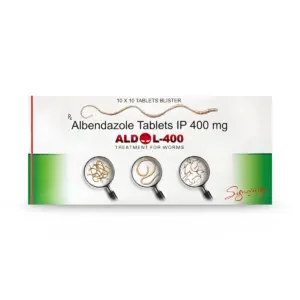
Albendazole 400 mg
Active Ingredient: Albendazole Indication: Parasitic worm infections Manufacturer: Signature Pharma Packaging: 10 Tablets in 1 strip Delivery Time: 7 to 15 days Price range: $25.00 through $55.00Albendazole 400 mg
Price range: $25.00 through $55.00 -
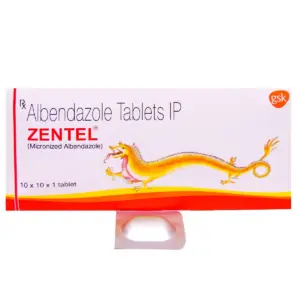
Zentel 400 mg
Active Ingredient: Albendazole Indication: Parasitic worm infections Manufacturer: GlaxoSmithKline Pharmaceuticals Ltd Packaging: 1 Tablet in 1 strip Delivery Time: 7 to 15 days Price range: $16.00 through $58.00Zentel 400 mg
Price range: $16.00 through $58.00