
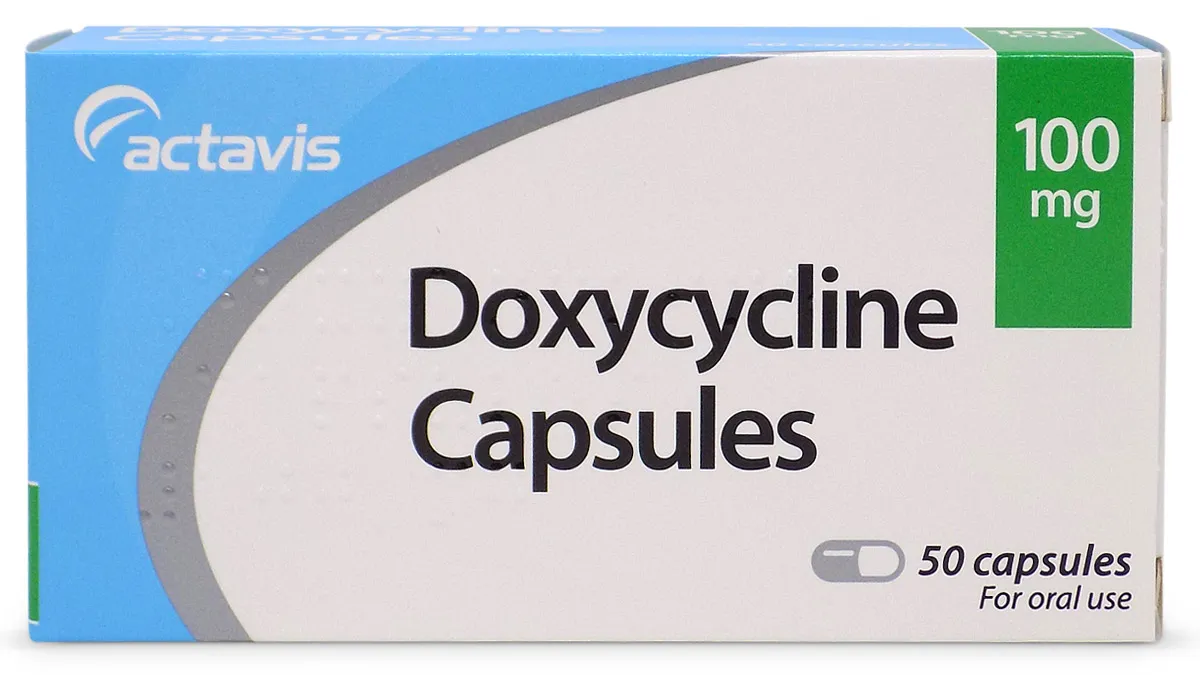
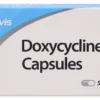
Doxycycline 100 Mg
Price range: $20.00 through $55.00
| Active Ingredient | Doxycycline |
|---|---|
| Manufacturer | Omega Pharma |
| Packaging | 10 capsules in 1 strip |
| Strength | 100mg |
| Delivery Time | 6 To 15 days |
| SKU: | Doxycycline 100 Mg |
Doxycycline 100 mg – Complete Medicine Guide
What is Doxycycline 100 mg?
Doxycycline 100 mg is an antibiotic medicine that belongs to the tetracycline group. It works by stopping bacteria from growing and multiplying in your body. This medicine is available only with a prescription from your doctor and comes in capsule or tablet form.
Doxycycline is a broad-spectrum antibiotic, which means it can fight many different types of bacterial infections. It has been used safely for decades and is on the World Health Organization’s list of essential medicines.
What is Doxycycline 100 mg Used For?
Doxycycline 100 mg is prescribed to treat various bacterial infections, including:
Respiratory Infections: Pneumonia, bronchitis, and sinus infections caused by bacteria.
Skin Infections: Acne, rosacea, and other skin conditions caused by bacterial inflammation.
Urinary Tract Infections: Bladder and kidney infections caused by susceptible bacteria.
Sexually Transmitted Infections: Chlamydia, gonorrhea (in combination with other medicines), and syphilis in patients allergic to penicillin.
Eye Infections: Conjunctivitis and other bacterial eye conditions.
Tick-Borne Diseases: Lyme disease, Rocky Mountain spotted fever, and other infections transmitted by ticks.
Malaria Prevention: Used by travelers to prevent malaria in certain regions (prophylaxis).
Other Infections: Certain gastrointestinal infections, pelvic inflammatory disease, and some dental infections.
Important: Doxycycline only works against bacterial infections. It will not work for viral infections like the common cold, flu, or COVID-19.
How Does Doxycycline Work?
Doxycycline works by interfering with the bacteria’s ability to make proteins. Bacteria need proteins to grow, multiply, and survive. When doxycycline enters your body, it enters the bacterial cells and blocks a part called the ribosome, which is responsible for making these essential proteins.
Without the ability to produce proteins, the bacteria cannot reproduce or maintain their essential functions. This stops the infection from spreading, and your body’s immune system can then eliminate the remaining bacteria more easily.
Because doxycycline targets a process specific to bacteria, it generally does not harm your body’s own cells, though it can affect normal bacteria in your gut, which may cause some side effects.
Dosage and How to Take Doxycycline 100 mg?
Standard Dosage
The dosage of doxycycline varies depending on the type and severity of infection. Your doctor will prescribe the right dose for your condition. Common dosing schedules include:
- For most infections: 100 mg twice daily (morning and evening) or 200 mg once daily on the first day, followed by 100 mg once daily
- For acne: Usually 100 mg once or twice daily for several weeks or months
- For malaria prevention: 100 mg once daily, starting 1-2 days before travel and continuing for 4 weeks after leaving the malaria area
How to Take Doxycycline 100 mg?
With food or milk: Take doxycycline with a full glass of water and food or milk to reduce stomach upset. While some antibiotics must be taken on an empty stomach, doxycycline is better tolerated with food.
Stay upright: Remain sitting or standing for at least 30 minutes after taking the medicine to prevent irritation of your esophagus (food pipe).
Complete the full course: Even if you feel better after a few days, finish the entire prescribed course. Stopping too early can allow bacteria to survive and the infection may return or become resistant to antibiotics.
Same time daily: Try to take your medicine at the same time each day to maintain consistent levels in your body.
If you miss a dose: Take it as soon as you remember. If it’s almost time for your next dose, skip the missed dose. Never take two doses at once.
Safety Warnings and Precautions:-
Do Not Take Doxycycline If You:
- Are allergic to doxycycline, tetracyclines, or any ingredients in the medicine
- Are pregnant or planning to become pregnant
- Are breastfeeding
- Have a child under 8 years of age (can cause permanent tooth discoloration and affect bone growth)
Use with Caution If You Have:
- Kidney or liver disease
- Myasthenia gravis (muscle weakness disorder)
- Systemic lupus erythematosus (SLE)
- History of increased pressure in the skull
- Difficulty swallowing
- Inflammatory bowel disease
Important Safety Information
Sun sensitivity: Doxycycline makes your skin much more sensitive to sunlight. You can develop severe sunburn even with brief sun exposure. Use sunscreen with SPF 30 or higher, wear protective clothing, and avoid prolonged sun exposure and tanning beds while taking this medicine and for 5 days after stopping it.
Esophageal irritation: This medicine can irritate your esophagus. Always take it with plenty of water and remain upright for at least 30 minutes afterward.
Birth control: Doxycycline may reduce the effectiveness of hormonal contraceptives (birth control pills). Use additional non-hormonal contraception methods during treatment and for one week after.
Pregnancy and breastfeeding: Do not use during pregnancy, especially in the second and third trimesters, as it can harm the developing baby’s bones and teeth. It also passes into breast milk and should not be used while breastfeeding.
Inform your doctor: Tell your doctor about all medical conditions, allergies, and all medicines you are taking before starting doxycycline.
Side Effects of Doxycycline 100 mg:-
Like all medicines, Doxycycline 100 mg can cause side effects, although not everyone experiences them.
Common Side Effects (affect up to 1 in 10 people):
- Nausea or vomiting
- Diarrhea or loose stools
- Loss of appetite
- Stomach pain or upset
- Skin rash or itching
- Vaginal itching or discharge (yeast infection)
- Sore or inflamed tongue
These side effects are usually mild and improve as your body adjusts to the medicine.
Serious Side Effects (contact your doctor immediately):
- Severe allergic reaction: Difficulty breathing, swelling of face, lips, tongue or throat, severe skin rash
- Severe skin reactions: Painful red or purple skin rash with blistering and peeling
- Severe headache with vision problems: May indicate increased pressure in the skull
- Severe stomach pain with diarrhea (possibly bloody): May indicate bowel inflammation
- Yellowing of skin or eyes: May indicate liver problems
- Difficulty swallowing or chest pain when swallowing: May indicate esophageal damage
- Unusual bruising or bleeding
Emergency signs: If you experience severe allergic reactions (anaphylaxis), call emergency services immediately.
Drug Interactions:-
Doxycycline 100 mg can interact with several medicines, which may affect how it works or increase side effects.
Important Interactions:
Antacids and supplements: Products containing aluminum, calcium, magnesium, iron, or zinc can reduce doxycycline absorption. Take these at least 2-3 hours before or after doxycycline.
Other medicines that may interact:
- Warfarin (blood thinner) – increased bleeding risk
- Penicillin antibiotics may reduce the effectiveness of both
- Retinoids (isotretinoin, acitretin) – increased risk of skull pressure
- Anti-epileptic drugs (phenytoin, carbamazepine) – reduced doxycycline effectiveness
- Rifampicin – reduced doxycycline effectiveness
- Methotrexate – increased toxicity risk
- Oral contraceptives – reduced contraceptive effectiveness
Always inform your doctor and pharmacist about all medicines, supplements, and herbal products you are taking.
Storage Instructions:-
Temperature: Store at room temperature between 20°C to 25°C (68°F to 77°F).
Protect from: Keep away from light, heat, and moisture. Do not store in the bathroom.
Container: Keep in the original container with the lid tightly closed.
Keep out of reach of children: Store in a safe place away from children and pets.
Check expiry date: Do not use after the expiry date printed on the package. Expired tetracycline antibiotics can become toxic.
Disposal: Do not flush medicines down the toilet or drain. Ask your pharmacist how to dispose of medicines you no longer need.
Frequently Asked Questions (FAQs)?
1. Can I drink alcohol while taking doxycycline 100 mg?
While moderate alcohol consumption doesn’t directly interact with doxycycline, it’s best to avoid or limit alcohol during treatment. Alcohol can worsen side effects like stomach upset and nausea. More importantly, alcohol can weaken your immune system and make it harder for your body to fight the infection. If you have liver problems, avoiding alcohol is especially important. Always consult your doctor about alcohol consumption during treatment.
2. Why can’t I take doxycycline 100 mg with dairy products or antacids?
Doxycycline 100 mg binds to calcium, magnesium, aluminum, and iron, forming compounds that your body cannot absorb properly. This means less medicine enters your bloodstream, making it less effective against the infection. While you can take doxycycline with food (including small amounts of dairy), avoid taking it with large amounts of milk, yogurt, cheese, antacids, or supplements containing these minerals. If you need to take these products, space them at least 2-3 hours apart from your doxycycline dose.
3. How long does it take for doxycycline 100 mg to work?
The timeframe varies depending on the type of infection. You may start feeling better within 2-3 days for many bacterial infections, but complete resolution may take the full course of treatment (usually 7-14 days). For acne, it may take 6-8 weeks or longer to see significant improvement. For infections like Lyme disease, treatment may continue for several weeks. Never stop taking doxycycline early, even if you feel better, as this can lead to antibiotic resistance and infection recurrence. If you don’t see improvement after several days, contact your doctor.
4. Can doxycycline 100 mg cause permanent tooth staining?
Yes, but primarily in children under 8 years of age and developing fetuses. During tooth development, doxycycline can bind to calcium in developing teeth, causing permanent yellow-gray-brown discoloration. This is why doxycycline is not recommended for pregnant women, breastfeeding mothers, or children under 8 years unless absolutely necessary. In adults with fully developed teeth, tooth staining is very rare and usually only occurs with long-term use. If it does occur in adults, it’s typically reversible with professional dental cleaning.
Medical Disclaimer:
This information is for educational purposes only and is not a substitute for professional medical advice, diagnosis, or treatment. Always consult your doctor or qualified healthcare provider before starting any medication. If you experience serious side effects or a medical emergency, seek immediate medical attention or call emergency services.
Additional information
| unit | 300 Capsules, 100 Capsules, 200 Capsules |
|---|





Reviews
There are no reviews yet.