
Colon Cancer Medications & Support Products:-
Understanding Colon Cancer Treatment Options:-
Colon cancer, also known as colorectal cancer, affects the large intestine and requires comprehensive medical treatment under specialist care. This category provides access to prescription medications and supportive care products commonly used as part of colon cancer treatment protocols prescribed by oncologists and healthcare professionals.
Patients diagnosed with colon cancer typically receive individualized treatment plans that may include surgery, chemotherapy, targeted therapy, immunotherapy, or a combination of these approaches. The medications available through this category are prescribed specifically for your condition and should only be obtained with valid prescriptions from qualified medical professionals.
Common Medications and Products in This Category:-
This category includes several types of prescription medications used in colon cancer treatment:
Chemotherapy Agents: Medications such as fluorouracil (5-FU), capecitabine, oxaliplatin, and irinotecan are frequently prescribed to destroy cancer cells or slow their growth. These are often used in combination protocols.
Targeted Therapy Medications: Drugs like bevacizumab, cetuximab, panitumumab, and regorafenib target specific proteins or pathways involved in cancer cell growth and blood vessel formation.
Immunotherapy Options: Medications such as pembrolizumab and nivolumab help the immune system recognize and attack cancer cells, particularly in cases with specific genetic markers.
Supportive Care Products: Anti-nausea medications, pain management products, nutritional supplements, and medications to manage treatment side effects.
How Colon Cancer Medications Work?
Different classes of colon cancer medications work through distinct mechanisms:
Chemotherapy drugs interfere with cancer cell division and growth, affecting rapidly dividing cells throughout the body. They may be administered orally or through intravenous infusion, depending on the specific medication and treatment protocol.
Targeted therapies are designed to attack specific molecular targets associated with cancer cells. For example, some medications block growth factor receptors on cancer cells, while others prevent new blood vessel formation that tumors need to grow (anti-angiogenesis).
Immunotherapy medications work by blocking proteins that prevent immune cells from recognizing cancer cells, essentially removing the “brakes” on the immune system so it can effectively fight the cancer.
The specific medications, dosages, and treatment schedules are determined by your oncologist based on cancer stage, genetic testing results, overall health status, and how the cancer responds to treatment.
Safe Usage and Important Considerations:-
Colon cancer medications are powerful treatments that require careful monitoring:
– Prescription Requirement: All colon cancer medications require valid prescriptions from licensed oncologists or healthcare providers
– Professional Monitoring: Regular blood tests, imaging studies, and clinical assessments are essential during treatment
– Side Effect Management: These medications can cause significant side effects that need medical supervision
– Drug Interactions: Inform your healthcare team about all medications, supplements, and herbal products you’re taking
– Adherence to Schedule: Take medications exactly as prescribed; timing and dosage are critical for effectiveness
– Storage Requirements: Many cancer medications have specific storage needs, including refrigeration for some biologics
– Handling Precautions: Some medications require special handling procedures to prevent exposure to family members
Never adjust doses, stop treatment, or start new medications without consulting your oncology team.
Buying Guidance for Patients:-
When purchasing colon cancer medications through our online pharmacy:
Prescription Verification: Upload a current, valid prescription from your oncologist. We verify all prescriptions before dispensing.
Insurance and Assistance Programs: Many colon cancer medications are high-cost treatments. Check with your insurance provider about coverage, and ask your healthcare team about patient assistance programs, manufacturer copay cards, or financial support options.
Medication Authenticity: We source all medications from licensed, verified suppliers to ensure authenticity and quality. Look for pharmacy verification credentials on our website.
Delivery Considerations: Some medications require temperature-controlled shipping. Confirm delivery requirements and ensure someone will be available to receive temperature-sensitive medications.
Refill Planning: Coordinate refills with your treatment schedule. Some medications need advance ordering due to special sourcing requirements.
Pharmacist Consultation: Our licensed pharmacists are available to answer questions about medication administration, storage, and side effect management (though they cannot replace your oncologist’s guidance).
Documentation: Keep records of all medications, doses, and treatment cycles for your healthcare team.
Frequently Asked Questions?
1. Can I purchase colon cancer medications without a prescription?
No. All colon cancer medications are prescription-only drugs that require authorization from a licensed oncologist or qualified healthcare provider. These are potent medications that must be prescribed based on individual cancer characteristics, staging, genetic testing, and overall health status. We verify all prescriptions before dispensing to ensure patient safety.
2. How do I know which colon cancer medication is right for me?
Your oncologist determines the appropriate medication based on several factors: cancer stage and location, genetic and molecular testing results (such as KRAS, NRAS, BRAF, and MSI status), previous treatments, overall health condition, and potential side effects. Treatment plans are highly individualized. Never select cancer medications on your own—always follow your oncology team’s prescribed treatment protocol.
3. What should I do if I experience side effects from my colon cancer medication?
Contact your oncologist or cancer care team immediately if you experience severe side effects such as uncontrolled nausea/vomiting, severe diarrhea, fever, unusual bleeding, severe abdominal pain, or allergic reactions. Some side effects are manageable with supportive medications, while others may require dose adjustments or treatment changes. Your healthcare team can provide medications and strategies to manage common side effects like nausea, fatigue, and peripheral neuropathy.
4. Are generic versions of colon cancer medications available, and are they as effective?
Some colon cancer medications have generic equivalents that are FDA-approved and clinically equivalent to brand-name versions. Biosimilars (similar to generics but for biologic drugs) are also becoming available for certain targeted therapies. Your oncologist and pharmacist can discuss whether generic or biosimilar options are appropriate and available for your prescribed medication. These alternatives can significantly reduce costs while maintaining treatment effectiveness.
Medical Disclaimer:-
This information is for educational purposes only and does not constitute medical advice. Always consult with your oncologist or qualified healthcare provider for diagnosis, treatment decisions, and medical guidance specific to your condition. Colon cancer treatment requires professional medical supervision and individualized care planning.
-
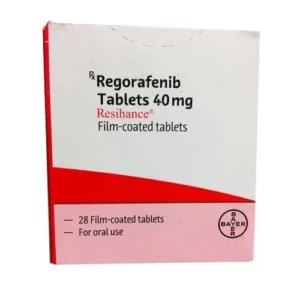
Resihance (Regorafenib) – 40 Mg
Active Ingredient Regorafenib Manufacturer Bayer Zydus Pharma Packaging 28 tablets in 1 strip Strength 40mg Delivery Time 6 To 15 days SKU: Resihance (Regorafenib) – 40 Mg Price range: $700.00 through $1,932.00Resihance (Regorafenib) – 40 Mg
Price range: $700.00 through $1,932.00