
Anti-fungal Medications:-
Understanding Anti-fungal Treatments:-
Fungal infections are common conditions that can affect various parts of the body, from skin and nails to internal organs. This category features antifungal medications designed to treat and manage fungal infections by targeting the organisms responsible for these conditions.
Antifungal treatments are available in multiple forms—topical creams, oral tablets, powders, and solutions—each suited to different types and severities of fungal infections. Understanding the available options can help you work with your healthcare provider to find the most appropriate treatment for your needs.
What Products Are Available in This Category?
This category includes various antifungal medications used to address different fungal infections:
Topical Azoles – Creams, lotions, and sprays containing clotrimazole, miconazole, or ketoconazole for skin infections
Oral Azoles – Prescription tablets such as fluconazole and itraconazole for systemic or persistent infections
Allylamines – Products containing terbinafine for nail and skin fungal infections, available in both topical and oral forms
Polyene Antifungals – Treatments like nystatin for specific fungal infections, particularly oral thrush
Antifungal Powders – Moisture-absorbing powders that help treat and prevent fungal growth in affected areas
Antifungal Shampoos – Medicated shampoos for scalp fungal conditions and seborrheic dermatitis
Nail Lacquers – Specialized topical solutions for fungal nail infections
Combination Products – Treatments containing antifungal ingredients along with other active components for comprehensive care
Common Conditions Addressed:-
Antifungal medications may be used to help manage various fungal infections, including:
– Athlete’s foot (tinea pedis)
– Ringworm (tinea corporis)
– Jock itch (tinea cruris)
– Fungal nail infections (onychomycosis)
– Yeast infections (candidiasis)
– Oral thrush (oral candidiasis)
– Scalp ringworm (tinea capitis)
– Pityriasis versicolor
– Seborrheic dermatitis
The appropriate treatment depends on the type, location, and severity of the infection, which should be determined by a qualified healthcare provider.
How Do Antifungal Medications Work?
Antifungal medications combat fungal infections through several mechanisms:
Disrupting Cell Membranes – Many antifungals, particularly azoles, interfere with the production of ergosterol, a vital component of fungal cell membranes. This disruption weakens the fungal cells and prevents their growth.
Inhibiting Cell Growth – Some antifungals prevent fungal cells from reproducing and spreading, allowing the body’s immune system to eliminate the existing infection.
Altering Cell Permeability – Certain medications create holes in fungal cell walls, causing essential cell contents to leak out, which kills the fungal organism.
Fungicidal vs. Fungistatic Action – Some antifungals directly kill fungi (fungicidal), while others stop their growth and reproduction (fungistatic), allowing the immune system to clear the infection.
The effectiveness of treatment depends on using the correct type of antifungal for the specific fungal organism involved, which is why proper diagnosis by a healthcare professional is essential.
Safe Usage and Important Considerations:-
Proper Diagnosis Required – Not all skin conditions are fungal infections. Accurate diagnosis by a healthcare provider ensures you receive appropriate treatment.
Complete the Full Course – Even if symptoms improve quickly, complete the entire treatment duration as prescribed to prevent recurrence and resistance.
Prescription Requirements – While some mild antifungal treatments are available over-the-counter, stronger formulations and oral medications require a valid prescription.
Application Technique Matters – For topical treatments, clean and dry the affected area before application. Apply to the affected area and surrounding skin as directed.
Monitor for Side Effects – Common side effects of topical antifungals include mild irritation, redness, or itching. Oral antifungals may cause digestive upset, headaches, or more serious effects requiring monitoring.
Drug Interactions – Oral antifungal medications can interact with numerous other medications, including blood thinners, heart medications, and certain antibiotics. Always disclose all medications to your healthcare provider.
Liver Function Monitoring – Some oral antifungals, particularly those used for nail infections or systemic conditions, may require periodic liver function tests during extended treatment.
Pregnancy and Breastfeeding – Many antifungal medications have specific considerations during pregnancy and breastfeeding. Consult your healthcare provider before use.
Hygiene Practices – Antifungal treatment is most effective when combined with good hygiene practices, such as keeping affected areas dry and clean.
Buying Guidance for Patients:-
Verify Your Diagnosis – Ensure you have a confirmed diagnosis of a fungal infection before purchasing treatment, as other conditions can mimic fungal infections.
Check Prescription Validity – For prescription antifungals, ensure you have a current, valid prescription from a licensed healthcare provider.
Understand the Formulation – Different formulations (creams, gels, sprays, powders) work better for different areas and conditions. Discuss options with your pharmacist.
Read Active Ingredients – Verify the active ingredient and concentration match what your healthcare provider recommended.
Consider Treatment Duration – Purchase enough medication to complete the full treatment course, which may range from one week to several months depending on the condition.
Review Product Information – Read patient information leaflets carefully for complete details on proper use, potential side effects, and contraindications.
Storage Requirements – Check storage instructions, as some antifungal products require specific temperature conditions or protection from light.
Consult Healthcare Professionals – Speak with a pharmacist if you have questions about product selection, application technique, or potential interactions with other medications.
Watch for Expiration Dates – Ensure products have adequate shelf life for your treatment course.
Consider Preventive Measures – For recurrent infections, ask about preventive strategies and products that can help reduce future occurrences.
Frequently Asked Questions?
How long does it take for antifungal treatments to work?
Treatment duration varies significantly depending on the type and location of infection. Skin infections like athlete’s foot may improve within 1-2 weeks, though treatment often continues for 2-4 weeks. Nail fungal infections require much longer treatment—typically 3-6 months for fingernails and 6-12 months for toenails. Improvement in symptoms doesn’t mean the infection is fully cleared, so completing the entire prescribed course is essential.
Can I use over-the-counter antifungal cream without seeing a doctor?
For minor, uncomplicated fungal infections that you’ve experienced before with a confirmed diagnosis, over-the-counter antifungals may be appropriate. However, if you’re experiencing symptoms for the first time, if the condition is severe or spreading, if it affects the scalp or nails, or if it doesn’t improve within 2 weeks of treatment, you should consult a healthcare provider for proper diagnosis and treatment.
Why do fungal infections sometimes come back after treatment?
Recurrent fungal infections can occur for several reasons: incomplete treatment (stopping too early), reinfection from contaminated items (shoes, towels, clothing), underlying conditions that promote fungal growth (diabetes, weakened immune system), or environmental factors (excessive moisture, wearing occlusive footwear). To prevent recurrence, complete the full treatment course, practice good hygiene, keep affected areas dry, and address any underlying risk factors.
Are there any serious side effects I should watch for with oral antifungal medications?
While most people tolerate oral antifungals well, some can cause serious side effects. Warning signs include: yellowing of skin or eyes, dark urine, persistent nausea or vomiting, severe abdominal pain, unusual fatigue, skin rashes, or signs of allergic reaction. Some oral antifungals can affect liver function, which is why your healthcare provider may order blood tests before and during treatment. Contact your healthcare provider immediately if you experience concerning symptoms.
Medical Disclaimer:-
This content is for informational purposes only and does not constitute medical advice, diagnosis, or treatment recommendations. Fungal infections require proper diagnosis by a qualified healthcare professional to ensure appropriate treatment. Always consult with your doctor or pharmacist before starting any new medication, and seek immediate medical attention if you experience severe symptoms or allergic reactions.
-
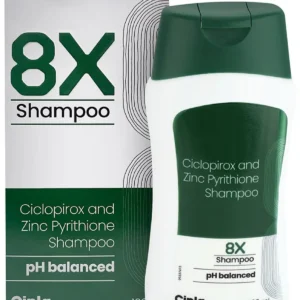
8X Shampoo (Ciclopirox & Zinc pyrithione)
Active Ingredient Ciclopirox/Zinc pyrithione Manufacturer Cipla Limited Packaging 100 ml in 1 bottle Strength 100ml Delivery Time 6 To 15 days SKU: 8X Shampoo (Ciclopirox/Zinc pyrithione) Price range: $10.00 through $52.008X Shampoo (Ciclopirox & Zinc pyrithione)
Price range: $10.00 through $52.00 -
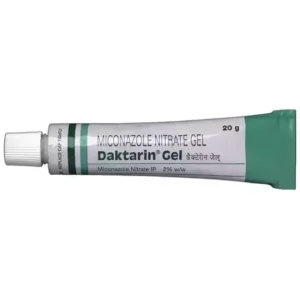
Daktarin Gel (Miconazole)
Active Ingredient Miconazole Manufacturer Janssen Pharmaceuticals, India Packaging 20 gm in 1 tube Strength 2% Delivery Time 6 To 15 days SKU: Daktarin Gel (Miconazole) Price range: $5.00 through $26.00Daktarin Gel (Miconazole)
Price range: $5.00 through $26.00 -
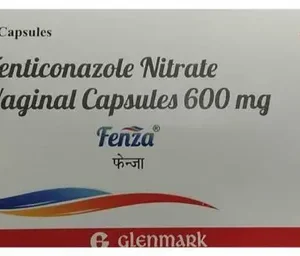
Fenza 600 Mg Vaginal Capsule (Fenticonazole)
Active Ingredient Fenticonazole Manufacturer Glenmark Pharmaceuticals Ltd. Packaging 1 Vaginal Capsule in 1 packet Strength 600 Mg Delivery Time 6 To 15 days SKU: Fenza 600 Mg Vaginal Capsule (Fenticonazole) Price range: $16.00 through $42.00Fenza 600 Mg Vaginal Capsule (Fenticonazole)
Price range: $16.00 through $42.00 -
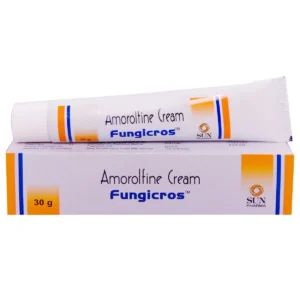
Fungicros Cream (Amorolfine & Phenoxyethanol)
Active Ingredient Amorolfine/Phenoxyethanol Manufacturer Sun Pharmaceutical Industries Ltd Packaging 10 gm in 1 tube Delivery Time 6 To 15 days SKU: Fungicros Cream (Amorolfine/Phenoxyethanol) Price range: $6.00 through $30.00Fungicros Cream (Amorolfine & Phenoxyethanol)
Price range: $6.00 through $30.00 -
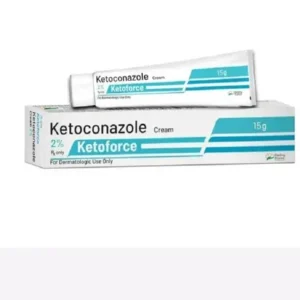
Ketoconazole Cream 15gm (Ketoconazole)
Active Ingredient Ketoconazole Manufacturer Healing Pharma, India Packaging 15 gm in 1 tube Strength 15gm Delivery Time 6 To 15 days SKU: Ketoconazole Cream 15gm (Ketoconazole) Price range: $15.00 through $50.00Ketoconazole Cream 15gm (Ketoconazole)
Price range: $15.00 through $50.00 -
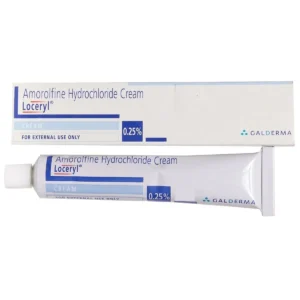
Loceryl Cream (Amorolfine)
Active Ingredient Amorolfine Manufacturer Galderma India Pvt Ltd Packaging 10 gm in 1 tube Delivery Time 6 To 15 days SKU: Loceryl Cream (Amorolfine) Price range: $9.00 through $48.00Loceryl Cream (Amorolfine)
Price range: $9.00 through $48.00 -
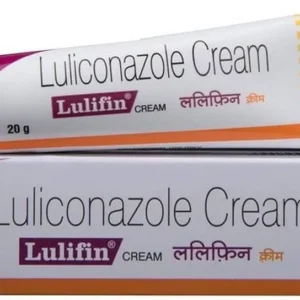
Lulifin Cream 10G (Luliconazole)
Active Ingredient Luliconazole Manufacturer Sun Pharmaceutical Industries Ltd Packaging Available in 10g, 20g, 30g & 50g in a Tube Strength 10gm, 20gm, 30gm, 50gm Delivery Time 6 To 15 days SKU: Lulifin Cream 10g (Luliconazole) Price range: $7.00 through $101.00Lulifin Cream 10G (Luliconazole)
Price range: $7.00 through $101.00 -
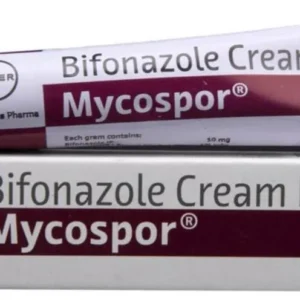
Mycospor Cream (Bifonazole)
Active Ingredient Bifonazole Manufacturer Bayer Zydus Pharma Packaging 10 gm in 1 tube Strength 1% Delivery Time 6 To 15 days SKU: Mycospor Cream (Bifonazole) Price range: $5.00 through $20.00Mycospor Cream (Bifonazole)
Price range: $5.00 through $20.00 -
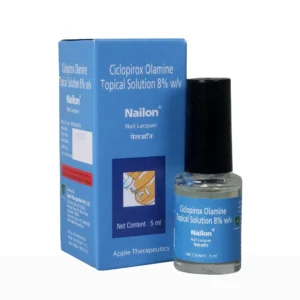
Nailon Nail Lacquer (Ciclopirox)
Active Ingredient Ciclopirox Manufacturer Apple Therapeutics Pvt Ltd Packaging 5 ml in 1 Bottle Strength 8% Delivery Time 6 To 15 days SKU: Nailon Nail Lacquer (Ciclopirox) Price range: $10.00 through $52.00Nailon Nail Lacquer (Ciclopirox)
Price range: $10.00 through $52.00 -
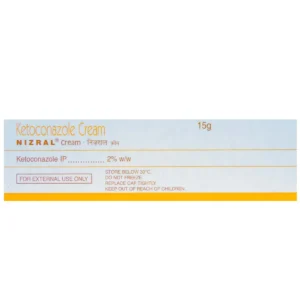
Nizral 15 GM Cream (Ketoconazole)
Active Ingredient Ketoconazole Manufacturer Janssen Pharmaceuticals, India Packaging 15 gm in 1 tube Strength 15gm Delivery Time 6 To 15 days SKU: Nizral 15 GM Cream (Ketoconazole) Price range: $6.00 through $44.00Nizral 15 GM Cream (Ketoconazole)
Price range: $6.00 through $44.00 -
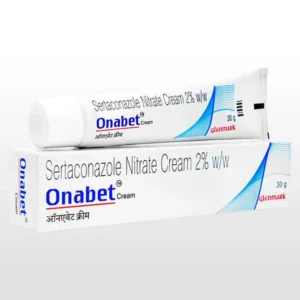
Onabet 2% Cream (Sertaconazole)
Active Ingredient Sertaconazole Manufacturer Glenmark Pharmaceuticals Ltd. Packaging 30g in 1 tube Strength 2% Delivery Time 6 To 15 days SKU: Onabet 2% Cream (Sertaconazole) Price range: $12.00 through $66.00Onabet 2% Cream (Sertaconazole)
Price range: $12.00 through $66.00 -
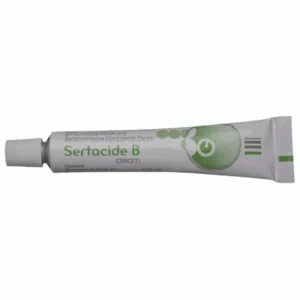
Sertacide B Cream (Sertaconazole & Beclometasone)
Active Ingredient Sertaconazole/Beclometasone Manufacturer Cipla Limited Packaging 10 gm in 1 tube Strength 10gm Delivery Time 6 To 15 days SKU: Sertacide B Cream (Sertaconazole/Beclometasone) Price range: $5.00 through $27.00Sertacide B Cream (Sertaconazole & Beclometasone)
Price range: $5.00 through $27.00