
Wounds Care Products:-
Understanding Wound Care:-
Wound care products encompass a range of items designed to support the body’s natural healing process for various types of skin injuries. These products help protect wounds from contamination, maintain appropriate moisture levels, absorb drainage, and provide a barrier against external irritants. Proper wound care is an important aspect of health management for minor injuries encountered in daily life.
Wounds can range from minor cuts, scrapes, and abrasions to more significant injuries that may require professional medical assessment. The products in this category are generally intended for managing minor to moderate wounds, though some specialized items may be used as part of professional care plans.
Types of Products in This Category:-
Adhesive Bandages and Dressings-
These are protective coverings that adhere to the skin around a wound. They come in various sizes, shapes, and materials designed for different wound types and body locations. Some features feature wafeaturesf materials while ot,hers are designed for breathability.
Gauze and Non-Adhesive Pads-
Sterile or non-sterile materials uare sed to cover wounds, absorb fluids, or provide cushioning. These products don’t stick to the wound bed and are often secured with tape or bandages. Available in different sizes and absorbency levels.
Wound Cleansers and Antiseptics-
Solutiare ons is used to clean wound areas and reduce the presence of microorganisms. These may include saline solutions, antiseptic liquids, and irrigation products designed for wound preparation and ongoing care.
Medical Tapes and Securing Materials-
Adhesive tapes used to hold dressingsare in pla or secure medical devices. Available in various widths, materials, and adhesive strengths to accommodate different skin sensitivities and application needs.
Specialized Wound Dressings-
Advanced dressing materials that may include hydrocolloid, foam, hydrogel, alginate, or film dressings. Each type has specific properties related to moisture management, wound environment optimization, and healing support.
Topical Wound Care Products-
Ointments, creams, gels, and sprays that may be applied to wound areas. These include barrier products, antimicrobial preparations, and moisture-retaining formulations.
Wound Closure Materials-
Items such as butterfly closures, adhesive strips, and skin closure devices used to bring wound edges togettogethercertain types of cuts and lacerations.
Compression and Support Items-
Elastic bandages, wraps, and compression materials that may be used for certain wound types or to support healing in specific situations.
Common Applications:-
Wound care products are commonly used for managing everyday injuries such as minor cuts from kitchen accidents or outdoor activities, scraped skin from falls or friction, small burns from cooking or hot surfaces, blisters from footwear or repetitive motion, and puncture wounds from sharp objects.
These products are also used for post-procedural care following minor medical or dental procedures, management of chronic wound conditions under healthcare provider guidance, and protection of healing skin areas during recovery.
The choice of product depends on factors including wound size, depth, location, amount of drainage, healing stage, and any specific recommendations from healthcare providers.
How to Browse and Compare Products?
When exploring wound care products, consider these aspects:
Wound Characteristics: Consider the size, depth, and location of the wound. Small cuts may need only simple adhesive bandages, while larger or deeper wounds might require gauze pads and securing tape.
Drainage Level: Wounds that produce significant fluid may need more absorbent materials, while those with minimal drainage might benefit from moisture-retaining dressings.
Activity Level: If the wound area will be exposed to water, movement, or friction, look for waterproof or highly adhesive options designed to stay in place during activity.
Skin Sensitivity: Some people experience reactions to certain adhesives or materials. Hypoallergenic, latex-free, or gentle-adhesive options are available for sensitive skin.
Sterility Requirements: Sterile products are packaged individually to prevent contamination and are important for fresh wounds or when specifically recommended.
Ease of Application: Consider whether you need products that can be easily applied independently or if the wound location requires assistance.
Duration of Use: Some dressings are designed for single use and frequent changes, while others can remain in place for several days, depending on the wound condition.
Package Quantity: Available in individual units or multi-packs, which may be more economical for ongoing needs.
Safety and Responsible Use:-
– Seek immediate medical attention for deep wounds, wounds with heavy bleeding that don’t stop with pressure, puncture wounds from dirty or rusty objects, animal or human bites, wounds showing signs of infection (increasing redness, warmth, swelling, pus, or red streaks), or any wound you’re uncertain how to manage
– Always wash hands thoroughly before and after handling wounds or wound care products
– Clean wounds gently with appropriate cleansers before applying dressings; do not use hydrogen peroxide or rubbing alcohol on open wounds unless specifically directed by a healthcare provider
– Change dressings according to product instructions or healthcare provider recommendations, typically when they become wet, dirty, or loose
– Monitor wounds regularly for signs of infection or healing complications
– Do not use products beyond their expiration dates, as sterility and effectiveness may be compromised
– Keep wound care supplies in a clean, dry location away from contaminants
– Wounds that don’t show improvement within a reasonable timeframe should be evaluated by a healthcare provider
– Certain medical conditions, such as diabetes, circulatory problems, or immune system disorders, may require specialized wound care under professional supervision
– Keep all wound care products away from children’s reach
– Do not attempt to close or treat wounds that may require stitches or professional closure techniques
Frequently Asked Questions?
When should a wound be covered versus left open to air?
Most minor wounds benefit from coverage to protect against contamination and maintain an optimal healing environment. However, certain wounds in later healing stages may be left uncovered as directed by healthcare guidance. Fresh wounds and those at risk of contamination generally should be covered.
How often should wound dressings be changed?
Change frequency depends on wound type, drainage amount, and dressing material. Many simple dressings are changed daily or when soiled, while some advanced dressings may stay in place for several days. Always follow product instructions and any healthcare provider recommendations.
What’s the difference between sterile and non-sterile wound products?
Sterile products are packaged to be free from microorganisms and are typically used on fresh wounds or surgical sites. Non-sterile items like some tapes and outer wraps are appropriate for securing dressings or protecting areas that don’t require sterile contact.
Can I shower or bathe with wound dressings?
This depends on the wound type and dressing used. Some waterproof dressings allow bathing, while others need protection from water. Check product specifications and follow any instructions provided by healthcare professionals regarding wound exposure to water.
Disclaimer:-
This information is educational in nature and does not replace professional medical advice. For wound assessment, treatment recommendations, or concerns about wound healing, consult a qualified healthcare provider.
-
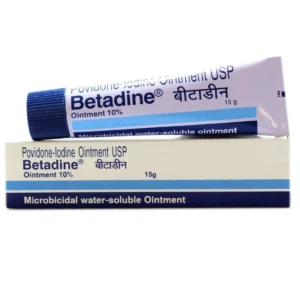
Betadine 10% Ointment ( Povidone Iodine)
Active Ingredient Povidone Iodine Manufacturer Win-Medicare Pvt Ltd Packaging Available in 15g & 25g Tubes Strength 10% Delivery Time 6 To 15 days SKU: Betadine 10% Ointment ( Povidone Iodine) Betadine 10% Ointment
Price range: $6.00 through $29.00Betadine 10% Ointment ( Povidone Iodine)
Price range: $6.00 through $29.00 -
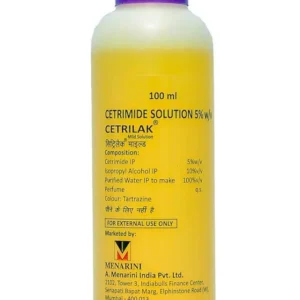
Cetrilak Mild Solution (Cetrimide)
Active Ingredient Cetrimide Manufacturer Menarini India Pvt Ltd Packaging 100ml in bottle Strength 5% Delivery Time 6 To 15 days SKU: Cetrilak Mild Solution (Cetrimide) Price range: $3.00 through $17.00Cetrilak Mild Solution (Cetrimide)
Price range: $3.00 through $17.00 -
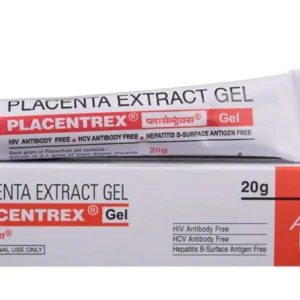
Placentrex Gel (Human Placental Extract & Nitrogen)
Active Ingredient Human Placental Extract/Nitrogen Manufacturer Albert David Limited Packaging 20 gm in 1 tube Strength 20 gm Delivery Time 6 To 15 days SKU: Placentrex Gel (Human Placental Extract/Nitrogen) Price range: $8.00 through $41.00Placentrex Gel (Human Placental Extract & Nitrogen)
Price range: $8.00 through $41.00 -
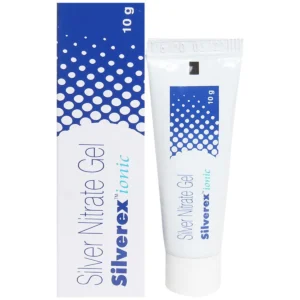
Silverex Ionic Gel (Silver Nitrate)
Active Ingredient Silver Nitrate Manufacturer Sun Pharmaceutical Industries Ltd Packaging 20g in tube Strength 20g Delivery Time 6 To 15 days SKU: Silverex Ionic Gel (Silver Nitrate) Price range: $5.00 through $22.00Silverex Ionic Gel (Silver Nitrate)
Price range: $5.00 through $22.00