
Vitiligo Products:-
Understanding This Category:-
This category includes products commonly used by individuals managing vitiligo, a condition characterized by loss of skin pigmentation that results in patches of lighter or white skin. These products encompass various topical preparations, supplements, and supportive skincare items that healthcare providers may recommend as part of a comprehensive management approach.
Vitiligo occurs when melanocytes, the cells responsible for producing skin pigment, stop functioning or are lost. The condition can affect any area of the body and varies significantly in extent and progression among individuals. While the exact cause remains under research, it is understood to involve autoimmune, genetic, and environmental factors.
Types of Products in This Category:-
Topical Corticosteroids-
Prescription creams or ointments may be recommended by healthcare providers for certain cases. These products contain corticosteroid compounds and are available in various strengths.
Topical Calcineurin Inhibitors-
Prescription medications that work through a different mechanism than corticosteroids. These are available as creams or ointments and may be considered for specific applications.
Vitamin and Supplement Formulations-
Various oral supplements that some individuals use as part of their overall health approach. These may include vitamins, minerals, and antioxidant compounds.
Phototherapy-Related Products-
Preparations used in conjunction with light-based procedures, including photosensitizing agents that may be prescribed for use with specific light treatments.
Camouflage and Cosmetic Products-
Specialized makeup, concealers, and skin-toning products designed to blend with natural skin tones and provide cosmetic coverage.
Sun Protection Products-
High SPF sunscreens and protective skincare items that help shield depigmented areas from sun exposure.
Moisturizers and Skin Barrier Support-
Products that help maintain skin health and hydration in affected areas.
Common Applications and Context:-
Products in this category are typically used under the guidance of dermatologists or healthcare providers who have evaluated the individual’s specific situation. The approach to managing vitiligo varies considerably based on factors such as the extent of depigmentation, location of patches, rate of progression, skin type, age, and individual preferences.
Some products are applied directly to affected skin areas with specific timing and frequency as directed by healthcare providers. Others are taken orally as part of a broader health strategy. Cosmetic products may be used independently for appearance management according to personal choice.
The selection of products and approaches is highly individualized. What works for one person may not be appropriate for another, which is why professional medical guidance is essential.
Navigating and Comparing Products:-
When exploring products in this category, consider these factors:
Prescription vs. Over-the-Counter: Some products require a prescription from a healthcare provider, while others are available without one. Always clarify which type you need.
Formulation Strength: Prescription medications come in different potencies or concentrations. Your healthcare provider will determine the appropriate strength for your situation.
Application Area: Some products are formulated for use on specific body areas (face, body, sensitive areas). Check product labeling for intended use locations.
Form and Texture: Topical products come as creams, ointments, gels, lotions, or solutions. The form affects absorption, feel, and suitability for different skin areas.
Active Ingredients: Review the primary active components in prescription and supplement products. Understanding these helps in discussions with healthcare providers.
Cosmetic Coverage Level: For camouflage products, consider coverage intensity, shade matching, water resistance, and wear duration.
Sun Protection Factor: For sunscreens, look at SPF rating, broad-spectrum protection, and suitability for sensitive or depigmented skin.
Usage Requirements: Note whether products require special handling, specific application techniques, or combination with other treatments.
Safety and Responsible Use Information:-
– Vitiligo management should always be supervised by a qualified dermatologist or healthcare provider who can assess your specific condition and recommend appropriate options
– Use only products specifically prescribed or recommended for you by your healthcare provider
– Follow all prescribing information, dosage instructions, and application guidelines exactly as directed
– Never use prescription medications obtained for someone else or share your prescribed products
– Be aware that some topical medications can have side effects, particularly with long-term or improper use, including skin thinning, stretch marks, or other changes
– Certain treatments may increase sun sensitivity, making sun protection particularly important
– Inform your healthcare provider about all medications, supplements, and products you are using to avoid potential interactions
– Report any unexpected reactions, worsening of symptoms, or new skin changes to your healthcare provider promptly
– Keep all products stored according to label instructions and out of reach of children
– Depigmented skin is more vulnerable to sun damage and requires consistent sun protection
– Avoid unverified products or treatments claiming miraculous results, as vitiligo management is complex and outcomes vary
– Regular follow-up with healthcare providers is important to monitor progress and adjust approaches as needed
Frequently Asked Questions?
Are all vitiligo products available without a prescription?
No. Many products used for vitiligo management are prescription medications that require evaluation and authorization from a healthcare provider. Over-the-counter options include certain supplements, cosmetic camouflage products, and sun protection items.
How long does it typically take to see results from vitiligo treatments?
Response time varies significantly depending on the product type, individual factors, and extent of involvement. Some approaches may require several months of consistent use before changes become noticeable. Healthcare providers can provide realistic expectations based on specific treatment plans.
Can I use regular makeup to cover vitiligo patches?
While standard makeup can be used, specialized camouflage products are specifically designed for pigmentation differences and often provide better coverage, durability, and color matching. Many are water-resistant and formulated to last throughout the day.
Do I need to use sunscreen on depigmented patches?
Yes, skin without pigment has lost natural protection against UV radiation and is highly susceptible to sunburn and damage. Consistent use of broad-spectrum, high-SPF sunscreen on affected areas is generally recommended by healthcare providers.
Disclaimer:-
This information is educational in nature and does not constitute medical advice, diagnosis, or treatment recommendations. Vitiligo is a complex condition that requires professional medical evaluation and personalized management. Always consult a qualified dermatologist or healthcare provider for advice specific to your situation.
-
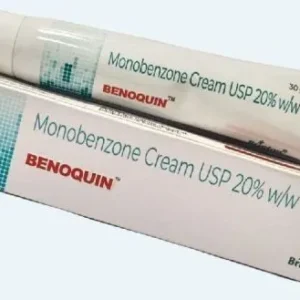
Benoquin Cream (Monobenzone)
Active Ingredient Monobenzone Manufacturer Mac Laboratories Ltd Packaging 20 gm in 1 tube Strength 20% Delivery Time 6 To 15 days SKU: Benoquin Cream (Monobenzone) Price range: $8.00 through $42.00Benoquin Cream (Monobenzone)
Price range: $8.00 through $42.00 -

Melgain Lotion (Decapeptide)
Active Ingredient Decapeptide Manufacturer Dr Reddy’s Laboratories Ltd Packaging 5 ml in bottle Strength 5ml Delivery Time 6 To 15 days SKU: Melgain Lotion (Decapeptide) Price range: $20.00 through $112.00Melgain Lotion (Decapeptide)
Price range: $20.00 through $112.00