
Viral Care Category Basic Guide:-
Understanding Viral Care Products:-
Viral care products encompass medications and supportive treatments used in the management of viral infections. Viruses are microscopic infectious agents that can affect various parts of the body, causing illnesses ranging from minor discomfort to more serious conditions. These products include antiviral medications that target specific viruses, as well as supportive care items that help manage symptoms while the body’s immune system works to resolve the infection.
Unlike bacterial infections, viral infections do not respond to antibiotics. The products in this category are specifically designed to either interfere with viral replication, support the immune response, or provide symptomatic relief during viral illness recovery.
Types of Products in This Category:-
Antiviral Medications-
Prescription medications that work by interfering with the virus’s ability to replicate and spread within the body. Different antivirals target specific viruses or viral families.
Influenza Treatments-
Products specifically indicated for influenza virus infections, which may reduce illness duration or severity when taken within a specific timeframe after symptom onset.
Herpes Virus Medications-
Treatments designed for managing infections caused by herpes simplex viruses and varicella-zoster virus, including cold sores, genital herpes, shingles, and chickenpox.
Respiratory Viral Infection Support-
Products used in the management of viral respiratory infections, including those affecting the upper and lower respiratory tract.
Immune System Support Products-
Supplements and preparations that may support general immune function during viral illness, though these do not directly kill viruses.
Symptom Management Products-
Over-the-counter items that help relieve common viral infection symptoms such as fever, body aches, congestion, and cough while the infection runs its course.
Topical Antiviral Preparations-
Creams, ointments, or patches are applied directly to affected areas for localized viral infections such as cold sores.
Common Applications and Context:-
Viral infections are among the most frequent reasons people seek medical care. These infections can affect the respiratory system, digestive tract, skin, nervous system, and other organs. The common cold, influenza, viral gastroenteritis, and cold sores are among the most prevalent viral conditions.
Some antiviral medications require early administration to be most effective, often within the first 24 to 48 hours of symptom onset. Others are used for longer-term management of chronic viral infections. Healthcare providers determine appropriate treatment based on the specific virus, infection severity, patient health status, and other factors.
Many viral infections are self-limiting, meaning they resolve on their own with supportive care. In these cases, treatment focuses on symptom relief and comfort while the immune system clears the infection.
How to Navigate and Compare Products?
When exploring viral care products, consider these aspects:
Prescription Status: Some antiviral medications require a prescription from a healthcare provider, while symptom relief products may be available over-the-counter.
Specific Viral Target: Different products target different viruses. Antiviral medications are typically specific to certain viral families or species.
Formulation and Administration: Products come in various forms, including oral tablets, capsules, liquids, topical creams, intravenous preparations, and inhalable formulations.
Treatment Timing: Some antivirals are most effective when started within a specific window after symptom onset. Understanding timing requirements is important.
Duration of Treatment: Treatment courses vary from single doses to multiple weeks, depending on the infection type and medication.
Age Appropriateness: Products may have different formulations or dosing for adults, children, and infants. Always verify age-appropriate options.
Drug Interactions: Antiviral medications can interact with other medicines, supplements, or health conditions. Check interaction information carefully.
Symptom-Specific Relief: For supportive care products, identify which symptoms you’re addressing, such as fever, congestion, cough, or pain.
Safety and Responsible Use Considerations:-
– Antiviral medications should only be used under the guidance of a healthcare provider who has diagnosed a viral infection
– Complete the full prescribed course of antiviral medication even if symptoms improve, unless directed otherwise by your healthcare provider
– Never share prescription antiviral medications with others, as they are prescribed based on individual medical assessment
– Some antiviral medications have specific timing requirements for maximum effectiveness; follow instructions carefully
– Not all viral infections require or benefit from antiviral medication; many resolve with supportive care alone
– Be aware that viral infections can spread to others; practice good hygiene, including handwashing and covering coughs
– Report any unusual or severe side effects to your healthcare provider immediately
– Store medications as directed on the label, and keep all medicines out of reach of children
– Check expiration dates before use and properly dispose of expired medications
– Inform healthcare providers of all medications, supplements, and health conditions before starting antiviral treatment
– Pregnant or breastfeeding individuals should consult healthcare providers before using antiviral medications
– Do not use these products as a substitute for professional medical evaluation when needed
Frequently Asked Questions?
Do antiviral medications work the same way antibiotics do?
No, antivirals and antibiotics work differently and treat different types of infections. Antibiotics target bacteria, while antivirals specifically target viruses. Antibiotics are ineffective against viral infections, and antivirals don’t work against bacterial infections.
Can I take antiviral medication to prevent getting sick?
Some antiviral medications can be used preventively in specific situations, such as after known exposure or during outbreaks, but this requires evaluation and prescription from a healthcare provider. Preventive use isn’t appropriate for all situations or all viral infections.
How quickly do antiviral medications work?
The timeframe varies depending on the specific medication and infection. Some antivirals may reduce symptom duration by one to two days when started early, while others are designed for long-term viral suppression. Response times differ by individual and infection severity.
Are over-the-counter products effective against viruses?
Over-the-counter products primarily provide symptom relief rather than directly fighting the virus. They can help manage discomfort, fever, and other symptoms while your immune system clears the infection. Some topical products have antiviral properties for specific conditions like cold sores.
Disclaimer:-
This information is educational in nature and does not replace professional medical advice, diagnosis, or treatment. Always consult a qualified healthcare provider for guidance on viral infections and appropriate treatment options.
-
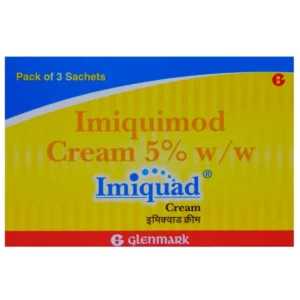
Imiquimod Cream 5% (Imiquad Cream) 12.5 Mg Sachet
Active Ingredient Imiquimod Manufacturer Glenmark Pharmaceuticals Ltd. Packaging 0.25 gm in 1 sachet Strength 12.5mg Delivery Time 6 To 15 days SKU: Imiquad Sachet (Imiquimod) – 12.5 Mg Price range: $75.00 through $216.00Imiquimod Cream 5% (Imiquad Cream) 12.5 Mg Sachet
Price range: $75.00 through $216.00 -
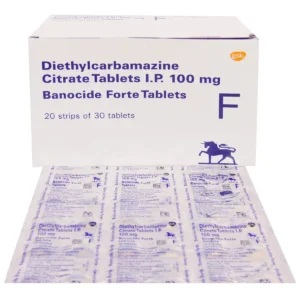
Banocide Forte 100 Mg (Diethylcarbamazine)
Active Ingredient Diethylcarbamazine Manufacturer GlaxoSmithKline Pharmaceuticals Ltd Packaging 20 tablets in 1 strip & 30 tablets in 1 strip Strength 100mg Delivery Time 6 To 15 days SKU: Banocide Forte 100 Mg (Diethylcarbamazine) Price range: $13.50 through $25.50Banocide Forte 100 Mg (Diethylcarbamazine)
Price range: $13.50 through $25.50 -
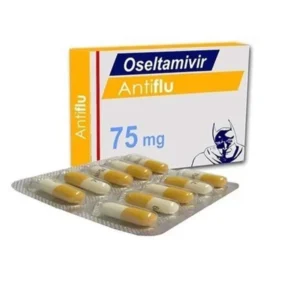
Antiflu 75 Mg (Oseltamivir)
Active Ingredient Oseltamivir Manufacturer Cipla Limited Packaging 10 Capsules in strip Strength 75mg Delivery Time 6 To 15 days SKU: Antiflu 75 Mg (Oseltamivir) Price range: $76.50 through $211.50Antiflu 75 Mg (Oseltamivir)
Price range: $76.50 through $211.50 -
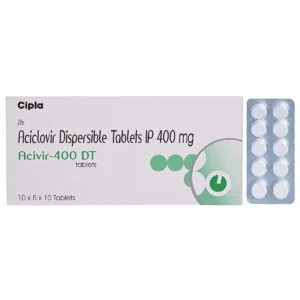
Aciclovir 400 Mg (Acyclovir)
Active Ingredient Acyclovir Manufacturer Healing Pharma, India Packaging 10 Tablets in Strip Strength 400mg Delivery Time 6 To 15 days SKU: Aciclovir 400 Mg (Acyclovir) Price range: $34.00 through $90.00Aciclovir 400 Mg (Acyclovir)
Price range: $34.00 through $90.00 -
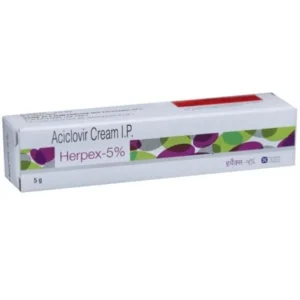
Herpex Cream (Acyclovir)
Active Ingredient Acyclovir Manufacturer Torrent Pharmaceuticals Ltd Packaging 5 gm in 1 tube Strength 5% Delivery Time 6 To 15 days SKU: Herpex Cream (Acyclovir) Price range: $4.00 through $19.00Herpex Cream (Acyclovir)
Price range: $4.00 through $19.00 -
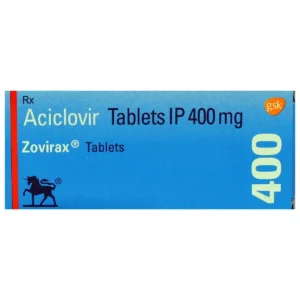
Zovirax 400 Mg (Acyclovir)
Active Ingredient Acyclovir Manufacturer GlaxoSmithKline Pharmaceuticals Ltd Packaging 5 tablets in 1 strip, 10 tablets in 1 strip Strength 200mg, 400mg, 800mg Delivery Time 6 To 15 days SKU: Zovirax 400mg (Acyclovir) Price range: $31.50 through $174.00Zovirax 400 Mg (Acyclovir)
Price range: $31.50 through $174.00 -
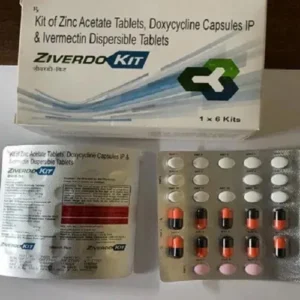
Ziverdo Kit
Active Ingredient Doxycycline, Ivermectin, Zinc Manufacturer Mankind Pharma Packaging 1 Kit Of (Ivermectin 12 Mg = 3 Tablet + Zinc 50mg = 14 Tablet + Doxycycline 100mg = 10 Capsules) Delivery Time 6 To 15 days SKU: Ziverdo Kit Price range: $85.00 through $810.00Ziverdo Kit
Price range: $85.00 through $810.00 -
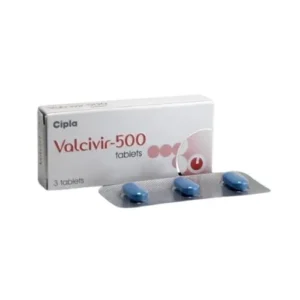
Valcivir 500 Mg
Active Ingredient Valacyclovir Manufacturer Cipla Limited Packaging 3 Tablets in Strip Strength 500mg, 1000mg Delivery Time 6 To 15 days SKU: Valcivir 500 Mg Price range: $105.00 through $450.00Valcivir 500 Mg
Price range: $105.00 through $450.00 -
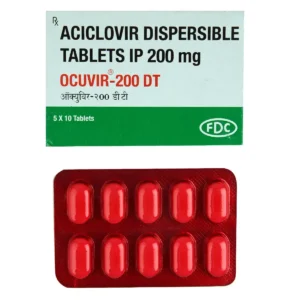
Ocuvir DT 200 Mg (Acyclovir)
Active Ingredient Acyclovir Manufacturer FDC Ltd Packaging 5 Tablets in Strip & 10 Tablets in Strip Strength 200mg, 400mg, 800mg Delivery Time 6 To 15 days SKU: Ocuvir DT 200 Mg (Acyclovir) Price range: $27.00 through $252.00Ocuvir DT 200 Mg (Acyclovir)
Price range: $27.00 through $252.00 -
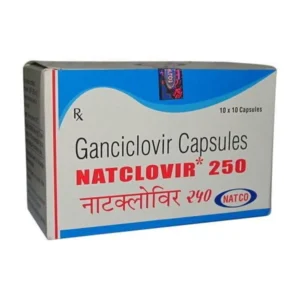
Natclovir 250 Mg (Ganciclovir)
Active Ingredient Ganciclovir Manufacturer Natco Pharma Ltd. Packaging 10 capsules in 1 strip Strength 250mg Delivery Time 6 To 15 days SKU: Natclovir 250 Mg (Ganciclovir) Price range: $148.50 through $427.50Natclovir 250 Mg (Ganciclovir)
Price range: $148.50 through $427.50 -
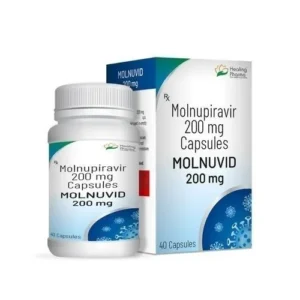
Molnuvid 200 Mg
Active Ingredient Molnupiravir Manufacturer Healing Pharma Packaging 40 Capsules in 1 bottle Strength 200 Mg Delivery Time 6 to 15 days SKU: Molnuvid 200 Mg Price range: $96.00 through $266.00Molnuvid 200 Mg
Price range: $96.00 through $266.00 -
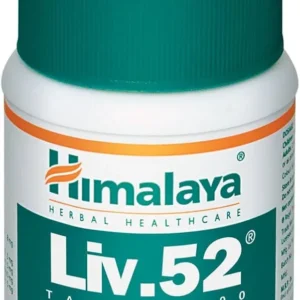
Liv 52 (Ayurvedic)
Active Ingredient Ayurvedic Manufacturer Himalaya Drug Company Packaging 52 Tablets in Bottle Delivery Time 6 To 15 days SKU: Liv 52 (Ayurvedic) Price range: $6.00 through $14.00Liv 52 (Ayurvedic)
Price range: $6.00 through $14.00