
Uveitis:-
Understanding This Category:-
This category contains medications used in relation to uveitis, a term that refers to inflammation of the uvea, the middle layer of the eye. The uvea includes the iris (colored part of the eye), ciliary body (which produces fluid in the eye), and choroid (layer of blood vessels). Uveitis can affect one or multiple parts of this structure and may involve other eye tissues as well.
Products in this category are typically prescribed by ophthalmologists or other eye care specialists as part of a comprehensive treatment approach. Uveitis requires professional medical evaluation and ongoing monitoring, as it can vary significantly in severity, cause, and required management strategies.
Types of Products in This Category:-
Corticosteroid Eye Drops-
Topical anti-inflammatory medications applied directly to the eye surface. These are commonly prescribed for certain types of anterior (front portion) uveitis and work by reducing inflammation in affected eye tissues.
Mydriatic and Cycloplegic Agents-
Eye drops that dilate the pupil and temporarily relax the eye’s focusing muscles. These may be used to prevent certain complications, reduce discomfort, and assist in examination of the eye’s interior structures.
Systemic Immunosuppressive Medications-
Oral or injectable medications that work throughout the body to modulate immune system activity. These may be considered when inflammation is severe, affects the back of the eye, or does not respond adequately to topical treatments.
Biologic Agents-
Targeted medications that affect specific components of the immune response. These represent a specialized category that may be used for particular types or patterns of uveitis.
Combination Therapies-
Some patients may be prescribed multiple medications simultaneously to address different aspects of inflammation or to enhance treatment effectiveness.
Antimicrobial Agents-
When uveitis is associated with infection, specific antibiotics, antivirals, or antifungals may be prescribed depending on the identified or suspected causative organism.
Medical Context and Common Prescribing Patterns:-
Uveitis management is highly individualized based on factors including which part of the eye is affected (anterior, intermediate, posterior, or panuveitis), the underlying cause if identified, severity of inflammation, and response to initial treatments.
Eye care specialists typically begin with a thorough evaluation including detailed eye examination, medical history review, and sometimes additional testing to determine the nature and extent of inflammation. Treatment approaches are tailored accordingly and may evolve over time based on how the condition responds.
Regular follow-up appointments are a standard part of uveitis care, allowing healthcare providers to monitor inflammation levels, check for complications, adjust medications as needed, and assess vision. The frequency of visits varies depending on disease activity and treatment phase.
Some medications require gradual dose adjustments rather than abrupt changes. Treatment duration can range from weeks to months or longer, depending on the specific situation.
Navigating and Comparing Products:-
When prescribed medications for uveitis, consider these aspects to better understand your prescriptions:
Administration Route: Medications may be topical (eye drops), oral (tablets or capsules), or injectable. The route often relates to which part of the eye is affected and severity of inflammation.
Dosing Schedule: Eye drops may be prescribed anywhere from several times daily to once daily or less frequently. Oral medications typically follow standard daily scheding. Injectable medications may be given weekly, monthly, or at other intervals.
Active Ingredients: Understanding the generic name and drug class can help you recognize medications and understand their general purpose (anti-inflammatory, immunosuppressive, pupil-dilating, etc.).
Formulation Details: Eye drops may be solutions or suspensions. Suspensions require shaking before use. Some medications need refrigeration while others are stored at room temperature.
Monitoring Requirements: Some medications require regular blood tests, blood pressure checks, eye pressure measurements, or other monitoring for safety and effectiveness.
Duration of Effect: Certain eye drops work for a few hours while others have longer-lasting effects. This influences how frequently they need to be applied.
Safety and Responsible Use Information:-
– Use all medications exactly as prescribed by your eye care specialist or physician
– Never adjust doses, stop medications, or share prescriptions without professional guidance—sudden changes can affect disease control or cause rebound inflammation
– Attend all scheduled follow-up appointments, as uveitis requires ongoing monitoring even when feeling better
– Report new symptoms promptly, including vision changes, increased pain, light sensitivity, redness, or floaters
– If prescribed eye drops, learn proper instillation technique to ensure medication reaches the eye effectively
– Wait at least 5 minutes between different eye drops if using multiple medications
– Wash hands before handling eye medications and avoid touching dropper tips to any surface
– Inform all healthcare providers about uveitis medications, as some can interact with other treatments or affect surgical procedures
– Some medications may cause temporary blurred vision or light sensitivity after application—avoid driving or operating machinery until vision clears
– Certain systemic medications can affect immune function—discuss infection precautions with your healthcare provider
– Store medications according to package instructions and check expiration dates
– Keep all medications out of reach of children
– If you miss a dose, follow the specific guidance provided by your healthcare team rather than doubling up
– Contact your prescribing physician or eye care specialist if you experience concerning side effects
Frequently Asked Questions?
What is the uvea and why does inflammation there matter?
The uvea is the middle layer of the eye containing blood vessels that nourish the eye. Inflammation in this area matters because it can affect vision, cause complications like increased eye pressure or cataracts, and potentially lead to vision loss if not properly managed. This is why professional evaluation and treatment are essential.
How long does uveitis treatment typically last?
Treatment duration varies widely depending on the type, cause, and severity of uveitis. Some cases resolve within weeks with treatment, while others may require months or even longer-term management. Recurrent uveitis may need repeated treatment courses. Your eye care specialist will provide guidance specific to your situation.
Can I wear contact lenses while being treated for uveitis?
This depends on the type of uveitis, medications prescribed, and stage of treatment. Many eye care specialists recommend avoiding contact lenses during active inflammation. Always follow your ophthalmologist’s specific guidance about contact lens wear.
Why do some people need oral medications for an eye condition?
When inflammation affects the back portion of the eye or is severe, topical eye drops may not reach affected areas adequately or provide sufficient anti-inflammatory effect. Oral or injectable medications work throughout the body and can be more effective for these situations.
Medical Disclaimer:-
This content is provided for educational purposes only and does not constitute medical advice, diagnosis, or treatment recommendations. Uveitis requires evaluation and management by qualified eye care professionals. Always consult your ophthalmologist or healthcare provider for personalized guidance regarding your specific condition and treatment.
- “Cyclophil Me 25mg (Cyclosporine)” already exists in your wishlist
-
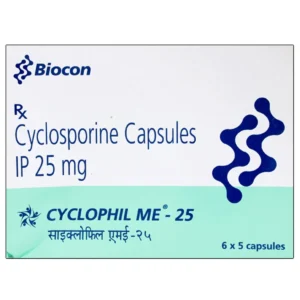
Cyclophil Me 25mg (Cyclosporine)
Active Ingredient Cyclosporine Manufacturer Biocon Limited Packaging 5 capsules in 1 strip, 6 capsules in 1 strip Strength 25mg, 50mg, 100mg Delivery Time 6 To 15 days SKU: Cyclophil Me 25mg (Cyclosporine) Price range: $21.00 through $200.00Cyclophil Me 25mg (Cyclosporine)
Price range: $21.00 through $200.00