
Tuberculosis (TB):-
Understanding This Category:-
This category contains medications used in the management of tuberculosis (TB), a bacterial infectious disease that primarily affects the lungs but can also impact other parts of the body. TB medicines are prescription-only medications that must be obtained and used under direct medical supervision.
Tuberculosis is caused by the bacterium Mycobacterium tuberculosis and requires specialized treatment regimens prescribed by qualified healthcare providers. The medications in this category are part of comprehensive TB treatment programs that involve specific combinations of medicines taken over extended periods.
Important: All products in this category require a valid prescription from a licensed healthcare provider. Self-medication for tuberculosis is dangerous and ineffective.
Types of Products in This Category:-
First-Line Anti-TB Medications-
These are the primary medicines used in standard TB treatment regimens. They include medications that work by different mechanisms to eliminate TB bacteria from the body. Common first-line agents are typically used in combination as prescribed by healthcare providers.
Second-Line Anti-TB Medications-
These medicines are used when first-line treatments cannot be used due to resistance or intolerance. They are generally prescribed for drug-resistant forms of TB and require specialized medical monitoring.
Fixed-Dose Combination Products-
These products contain multiple anti-TB medicines combined in a single tablet or formulation. They are designed to simplify treatment regimens and improve adherence to prescribed therapy.
Pediatric Formulations-
Specially formulated products designed for children with TB are often available in adjusted strengths or forms that are easier for young patients to take.
Adjunct Medications-
Additional medicines that may be prescribed alongside anti-TB drugs to support treatment, manage side effects, or address specific nutritional needs during TB therapy.
Understanding TB Treatment Context:-
Tuberculosis treatment typically involves taking multiple medications together for several months. Healthcare providers design specific treatment plans based on factors including the type of TB, drug susceptibility testing results, patient age and health status, and previous treatment history.
Treatment duration commonly ranges from six months for drug-susceptible TB to much longer periods for drug-resistant forms. The initial intensive phase usually involves multiple medications taken daily, followed by a continuation phase with fewer medicines.
Completing the full course of treatment as prescribed is critical for successful outcomes. Incomplete treatment can lead to treatment failure, relapse, or the development of drug-resistant TB, which is much more difficult to treat.
Regular monitoring by healthcare providers during treatment typically includes clinical assessments, laboratory tests, and sometimes imaging studies to track progress and identify any adverse effects.
How to Browse and Compare Products?
When reviewing TB medications (always under medical guidance), consider these aspects:
Prescription Requirements: All TB medicines require valid prescriptions. Verify that you have current authorization from your healthcare provider.
Dosage Forms: Products are available in various forms, including tablets, capsules, dispersible tablets, and sometimes liquid formulations for those who have difficulty swallowing.
Strength and Combinations: Medications come in different strengths and as single-ingredient or fixed-dose combinations. Your prescription will specify exactly what is needed.
Packaging Options: Available in various pack sizes designed to support different treatment phases and durations.
Storage Requirements: Some TB medications have specific storage needs regarding temperature and light exposure. Check product information for proper storage conditions.
Administration Timing: Certain TB medicines should be taken on an empty stomach, while others may be taken with food. Follow the prescriber’s instructions carefully.
Critical Safety and Responsible Use Information:-
– Never start, stop, or modify TB medication without explicit direction from your healthcare provider
– TB treatment requires strict adherence to prescribed schedules and dosing—missing doses or stopping early can result in treatment failure and drug resistance
– Take all prescribed medications exactly as directed, even if you begin to feel better before completing the course
– Inform your healthcare provider about all other medications, supplements, and herbal products you take, as TB medicines can interact with many other substances
– Attend all scheduled medical appointments for monitoring and testing during treatment
– Report any side effects or unusual symptoms to your healthcare provider immediately—some adverse effects require prompt medical attention
– TB medications can affect liver function, vision, hearing, and other body systems—regular monitoring is essential
– Certain TB medicines can interact with hormonal contraceptives, potentially reducing their effectiveness
– Alcohol should generally be avoided during TB treatment as it can increase liver toxicity risk
– Pregnancy and breastfeeding considerations are important—discuss reproductive health with your healthcare provider before and during treatment
– Keep all medications out of reach of children and store them securely
– Do not share your TB medications with others, even if they have similar symptoms
– If you miss a dose, contact your healthcare provider or pharmacist for guidance—do not double up doses without instruction
Frequently Asked Questions?
Why do I need to take multiple TB medicines at the same time?
TB bacteria can develop resistance if exposed to single drugs. Combination therapy uses multiple medications that work through different mechanisms, making it much harder for bacteria to survive and reducing the risk of developing drug resistance.
How long does TB treatment typically last?
Treatment duration varies based on the type of TB and individual factors. Drug-susceptible TB commonly requires six months of treatment, while drug-resistant forms may require 18-24 months or longer. Your healthcare provider determines the appropriate duration for your specific situation.
Can TB medications cause side effects?
Yes, like all medicines, TB drugs can cause side effects. Common ones may include digestive upset, changes in urine color, or temporary effects on liver function. Your healthcare provider will monitor you regularly. Report any concerning symptoms promptly, as some side effects require medical attention.
What happens if I miss doses of my TB medication?
Missing doses can lead to treatment failure and the development of drug-resistant TB. If you miss a dose, contact your healthcare provider or pharmacist immediately for guidance. Do not skip doses or stop treatment on your own.
Disclaimer:-
This information is educational only and does not replace professional medical advice. Tuberculosis diagnosis and treatment must be managed by qualified healthcare providers. Always consult your doctor, pharmacist, or TB specialist for personalized medical guidance.
-
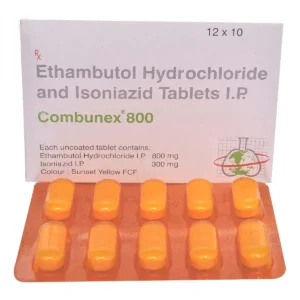
Combunex 800 Mg (Ethambutol & Isoniazid)
Active Ingredient Ethambutol/Isoniazid Manufacturer Lupin Limited Packaging 10 Tablets in Strip Strength 800mg Delivery Time 6 To 15 days SKU: Combunex 800 Mg (Ethambutol/Isoniazid) Price range: $28.00 through $85.00Combunex 800 Mg (Ethambutol & Isoniazid)
Price range: $28.00 through $85.00 -
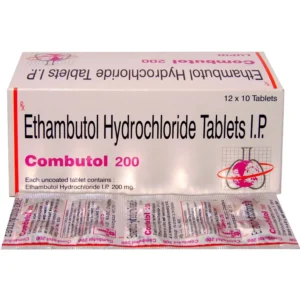
Combutol 200 Mg (Ethambutol)
Active Ingredient Ethambutol Manufacturer Lupin Limited Packaging 10 Tablets in Strip Strength 200mg, 400mg, 600mg, 800mg, 1000mg Delivery Time 6 To 15 days SKU: Combutol 200 Mg (Ethambutol) Price range: $9.00 through $68.00Combutol 200 Mg (Ethambutol)
Price range: $9.00 through $68.00