
Thrombophlebitis:-
Understanding This Category:-
This category includes products associated with thrombophlebitis, a condition involving inflammation of a vein accompanied by blood clot formation. The term combines “thrombo” (clot), “phleb” (vein), and “itis” (inflammation). These products are typically used as part of medical management strategies prescribed by healthcare providers for individuals with this condition.
Thrombophlebitis can affect superficial veins near the skin’s surface or deep veins within muscles. The condition requires proper medical evaluation and ongoing supervision by qualified healthcare professionals. Products in this category are intended to support medical treatment plans rather than serve as standalone solutions.
Understanding this category is important for those who have been prescribed such products by their healthcare provider, but it is essential to recognize that thrombophlebitis is a medical condition requiring professional diagnosis and management.
Types of Products in This Category:-
Anticoagulant Medications-
These products work to reduce the blood’s ability to form clots. They may be available in oral or injectable forms and require careful monitoring by healthcare providers. Different types work through various mechanisms in the clotting process.
Anti-inflammatory Preparations-
Products designed to help manage inflammation associated with the condition. These may include topical applications or oral medications that address inflammatory responses.
Compression Therapy Products-
Items such as compression stockings, bandages, or wraps that provide graduated pressure to affected areas. These are often used as supportive measures alongside other treatments.
Topical Formulations-
Creams, gels, or ointments that may be applied to the skin over affected areas. These products vary in their specific ingredients and intended effects.
Pain Management Products-
Medications that may be used to address discomfort associated with the condition, available in various forms and strengths.
General Educational Context:-
Products in this category are commonly used under medical supervision as part of comprehensive treatment approaches. Healthcare providers prescribe these items based on individual patient factors including the type and location of thrombophlebitis, overall health status, and potential risk factors.
Treatment approaches often involve multiple components working together. Some products aim to prevent clot extension or new clot formation, others address inflammation and discomfort, while compression products support circulation. The specific combination and duration of use varies significantly between individuals.
It is important to understand that thrombophlebitis treatment is highly individualized. What works for one person may not be appropriate for another due to differences in medical history, concurrent conditions, medications, and specific circumstances.
Safety Awareness and Responsible Use:-
Critical Safety Considerations-
– Never self-diagnose or self-treat suspected thrombophlebitis. This condition requires professional medical evaluation and diagnosis
– Products in this category, particularly anticoagulants, require careful medical supervision and monitoring through regular blood tests or other assessments
– Do not start, stop, or change doses of any prescribed medication without explicit instruction from your healthcare provider
– Be aware that anticoagulant medications can increase bleeding risk. Report any unusual bleeding, bruising, or blood in urine or stool to your healthcare provider immediately
– Inform all healthcare providers, including dentists and pharmacists, about all medications you are taking, as significant drug interactions can occur
Important Usage Information-
– Follow all dosing instructions precisely, including timing and whether to take with or without food
– Keep all scheduled appointments for monitoring and follow-up care
– Wear medical identification indicating anticoagulant use if prescribed such medications
– Be cautious with activities that could cause injury or bleeding while on anticoagulant therapy
– Report signs of infection, increased pain, swelling, or redness to your healthcare provider
– Compression products should be properly fitted and applied according to professional guidance
– Avoid alcohol consumption or discuss limits with your healthcare provider, as it may interact with certain medications
Storage and Handling-
– Store all medications as directed on the label
– Keep products in their original containers with labels intact
– Properly dispose of expired or discontinued medications according to local guidelines
– Keep all medications out of reach of children and pets
Navigating and Comparing Products:-
When your healthcare provider has prescribed products from this category, the following information may help you understand your options:
Formulation Differences: Oral medications come as tablets or capsules with varying dosing schedules (once daily, twice daily, etc.). Injectable products may be administered by healthcare professionals or self-administered after proper training.
Active Ingredients: Different products contain different active ingredients that work through various mechanisms. Your healthcare provider selects specific medications based on multiple factors unique to your situation.
Monitoring Requirements: Some products require frequent blood monitoring (such as INR tests for certain anticoagulants), while newer agents may require less frequent testing. Understanding monitoring needs helps with scheduling and compliance.
Duration of Action: Products vary in how long they remain active in the body, which affects dosing frequency and what to do if a dose is missed.
Compression Product Features: Compression items vary by pressure level (measured in mmHg), length (knee-high, thigh-high, or full pantyhose), and fabric composition. Proper fitting by a trained professional is essential for effectiveness and safety.
Generic vs. Brand Name: Some products are available in both generic and brand-name versions. Your healthcare provider and pharmacist can discuss whether these are interchangeable for your specific medication.
Frequently Asked Questions?
What is thrombophlebitis?
Thrombophlebitis is a condition where a blood clot forms in a vein, causing inflammation. It can occur in superficial veins near the skin surface or in deep veins within muscles. The condition requires medical diagnosis and treatment by qualified healthcare providers.
Are these products available without a prescription?
Most medications for treating thrombophlebitis require a prescription from a licensed healthcare provider. Some supportive products like certain compression stockings may be available over-the-counter, but proper medical guidance is essential for appropriate selection and use.
How long does treatment typically last?
Treatment duration varies widely depending on the type and severity of thrombophlebitis, underlying risk factors, and individual patient circumstances. Some people may require treatment for weeks to months, while others may need longer-term therapy. Only your healthcare provider can determine appropriate treatment length.
Can I take other medications while using these products?
Many medications, supplements, and even some foods can interact with thrombophlebitis treatments, particularly anticoagulants. Always inform your healthcare provider and pharmacist about everything you take, including over-the-counter medications, vitamins, and herbal supplements.
Disclaimer:-
This information is educational only and does not constitute medical advice, diagnosis, or treatment recommendation. Thrombophlebitis is a serious medical condition requiring professional healthcare supervision. Always consult with qualified healthcare providers regarding diagnosis, treatment options, and management of this condition.
-
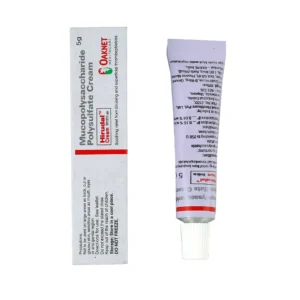
Hirudal Cream (Mucopolysaccharide Polysulfate)
Active Ingredient Mucopolysaccharide Polysulfate Manufacturer Oaknet Healthcare Pvt. Ltd. Packaging 14 gm in 1 tube Strength 14gm Delivery Time 6 To 15 days SKU: Hirudal Cream (Mucopolysaccharide Polysulfate) Price range: $5.00 through $22.00Hirudal Cream (Mucopolysaccharide Polysulfate)
Price range: $5.00 through $22.00