
Skin Moisturization:-
Understanding Skin Moisturization Products:-
Skin moisturization products are topical preparations designed to help maintain or restore the skin’s natural moisture barrier. These products work by preventing water loss from the skin’s surface, adding hydration, or supporting the skin’s protective layer. They are widely used across different age groups and skin types as part of routine skincare and management of dry skin conditions.
The skin’s outer layer naturally contains water and lipids that keep it soft, flexible, and protected. Various factors, including weather, age, frequent washing, medical conditions, and certain medications, can disrupt this balance, leading to dryness, flaking, or discomfort.
Types of Products in This Category:-
Emollients-
These products soften and smooth the skin by filling in gaps between skin cells. They help improve skin texture and appearance while creating a protective layer on the skin’s surface.
Humectants-
Preparations containing ingredients that draw moisture from the air or deeper skin layers to the surface. These help increase water content in the outer skin layer.
Occlusives-
Products that form a physical barrier on the skin to prevent water from evaporating. These are often heavier in texture and provide longer-lasting protection against moisture loss.
Combination Products-
Many moisturizers contain multiple types of ingredients working together to hydrate, protect, and soothe the skin through different mechanisms.
Specialized Formulations-
Some products are formulated for specific areas such as hands, feet, face, or body, or may include additional components for particular skin concerns.
Common Uses and Applications:-
Skin moisturizers are commonly used for maintaining healthy skin, addressing seasonal dryness, supporting skin comfort after bathing or hand washing, and as part of skincare routines. People may use these products for general skin care maintenance or as recommended by healthcare providers for specific skin conditions.
Application frequency varies based on individual needs, product type, and skin condition. Some people apply moisturizers once or twice daily, while others may need more frequent application depending on their circumstances.
How to Browse and Compare Products?
When exploring skin moisturization products, consider the following factors:
Formulation Type: Products come in various forms, including lotions, creams, ointments, gels, and balms. Lotions are typically lighter and absorb quickly, while ointments are heavier and more occlusive.
Ingredient Composition: Look at the active and inactive ingredients listed. Common moisturizing ingredients include glycerin, hyaluronic acid, petroleum jelly, dimethicone, ceramides, and various oils.
Intended Use Area: Some products are designed for facial use, while others are meant for body application. Hand creams and foot creams may have specialized formulations.
Fragrance Status: Products may be fragrance-free, unscented, or contain added fragrances. Those with sensitive skin often prefer fragrance-free options.
Texture and Absorption: Consider whether you prefer a lightweight, fast-absorbing product or a richer, more protective formula.
Package Size and Dispenser Type: Available in various sizes with different dispensing mechanisms, including pumps, tubes, jars, and bottles.
Safety and Responsible Use:-
– Always read product labels carefully before use and follow all provided instructions
– Perform a patch test when trying a new product, especially if you have sensitive skin or known allergies
– Discontinue use if you experience irritation, redness, rash, or any adverse reaction, and consult a healthcare provider if symptoms persist
– Keep products away from eyes and mucous membranes unless specifically designed for those areas
– Store products as directed, typically in cool, dry places, and check expiration dates
– Some skin conditions require medical evaluation and treatment beyond moisturization alone
– If you have a diagnosed skin condition, wounds, infections, or persistent skin problems, consult a healthcare provider before selecting products
– Keep all products out of reach of children
– Do not share personal skincare products to avoid potential cross-contamination
Frequently Asked Questions?
How often should moisturizer be applied?
Application frequency depends on individual skin needs, product type, and environmental factors. Many people apply moisturizer once or twice daily, typically after bathing when skin is slightly damp. Some may need more frequent application in dry climates or seasons.
Can I use body moisturizer on my face?
While possible, facial skin is often more delicate and may benefit from products specifically formulated for that area. Body moisturizers may contain ingredients or textures that could feel heavy or potentially cause issues for facial skin in some individuals.
What’s the difference between a lotion and a cream?
Lotions typically have higher water content and lighter consistency, absorbing quickly into skthe in. Creams are thicker with more oil content, providing more intensive moisturization and protection. The choice depends on personal preference and skin needs.
Do moisturizers expire?
Yes, moisturizers have shelf lives and expiration dates. Using expired products may be less effective and could potentially irritate. Check packaging for expiration dates and proper storage instructions.
Should moisturizer be applied to wet or dry skin?
Applying moisturizer to slightly damp skin immediately after bathing can help trap water in the skin, enhancing hydration. However, follow specific product instructions, as some formulations may work differently.
Disclaimer:-
This information is for educational purposes only and does not constitute medical advice. Consult a healthcare provider or dermatologist for personalized recommendations regarding skin care needs or concerns.
-
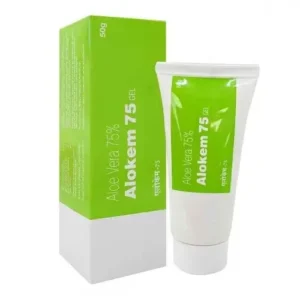
Alokem Gel (Aloe Vera)
Active Ingredient Aloe Vera Manufacturer Alkem Laboratories Ltd Packaging 50g in Tube Strength 50gm Delivery Time 6 To 15 days SKU: Alokem Gel (Aloe Vera) Price range: $8.00 through $39.00Alokem Gel (Aloe Vera)
Price range: $8.00 through $39.00 -
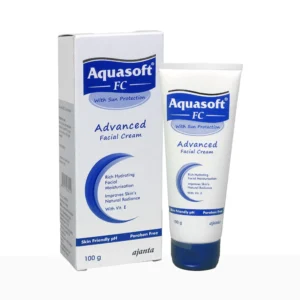
Aquasoft Cream (Glycerin)
Active Ingredient Glycerin Manufacturer Ajanta Pharma Ltd Packaging 60g in Tube Strength 60gm Delivery Time 6 To 15 days SKU: Aquasoft Cream (Glycerin) Price range: $6.00 through $28.00Aquasoft Cream (Glycerin)
Price range: $6.00 through $28.00 -
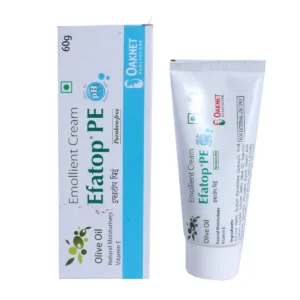
Efatop PE Cream (Vitamin E & Olive Oil)
Active Ingredient Vitamin E/Olive Oil Manufacturer Oaknet Healthcare Pvt. Ltd. Packaging 60g in Tube Strength 60gm Delivery Time 6 To 15 days SKU: Efatop PE Cream (Vitamin E/Olive Oil) Price range: $6.00 through $32.00Efatop PE Cream (Vitamin E & Olive Oil)
Price range: $6.00 through $32.00 -
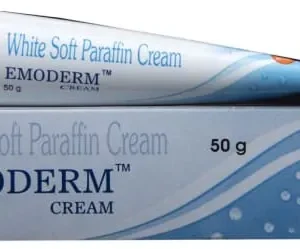
Emoderm Cream (White Soft Paraffin)
Active Ingredient White Soft Paraffin Manufacturer Glaxo SmithKline Pharmaceuticals Ltd Packaging 50 gm in 1 tube Strength 50gm Delivery Time 6 To 15 days SKU: Emoderm Cream (White Soft Paraffin) Price range: $7.00 through $38.00Emoderm Cream (White Soft Paraffin)
Price range: $7.00 through $38.00 -
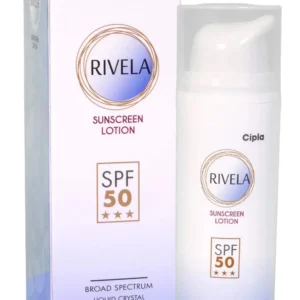
Rivela SPF 50 Sunscreen Lotion (Vitamin E)
Active Ingredient Vitamin E Manufacturer Cipla Limited Packaging 50ml in 1 bottle Strength 50ml Delivery Time 6 To 15 days SKU: Rivela SPF 50 Sunscreen Lotion (Vitamin E) Price range: $15.00 through $75.00Rivela SPF 50 Sunscreen Lotion (Vitamin E)
Price range: $15.00 through $75.00