Skin Infection Medicines:-
Understanding This Category:-
Skin infection medicines are pharmaceutical products designed to address bacterial, fungal, viral, or parasitic infections that affect the skin’s surface or deeper layers. These medications work through various mechanisms to eliminate pathogens, reduce inflammation, and support the skin’s natural healing process. This category includes both topical formulations applied directly to affected areas and oral medications for systemic treatment.
Skin infections can range from minor surface conditions to more serious infections requiring professional medical intervention. The appropriate treatment depends on the type of pathogen involved, the severity and location of the infection, and individual patient factors.
Types of Medicines in This Category:-
Antibacterial Medications-
Products containing ingredients such as mupirocin, fusidic acid, neomycin, or bacitracin target bacterial skin infections. These are commonly used for conditions like impetigo, folliculitis, or infected wounds.
Antifungal Treatments-
Medications with active ingredients including clotrimazole, miconazole, terbinafine, or ketoconazole address fungal infections such as ringworm, athlete’s foot, jock itch, and yeast infections affecting the skin.
Antiviral Preparations-
Formulations containing acyclovir, penciclovir, or similar compounds are used for viral skin infections, particularly those caused by herpes simplex virus.
Antiseptic Solutions-
Products like povidone-iodine, chlorhexidine, or hydrogen peroxide help prevent infection in minor cuts, scrapes, and burns by reducing microbial load on the skin surface.
Combination Products-
Some medications contain multiple active ingredients to address mixed infections or provide both antimicrobial and anti-inflammatory effects.
Common Usage Context:-
Healthcare professionals prescribe or recommend skin infection medicines based on the specific type of infection identified through clinical examination or laboratory testing. Treatment duration typically ranges from several days to several weeks, depending on the infection’s nature and severity.
Topical applications are generally preferred for localized infections, as they deliver medication directly to the affected area with minimal systemic absorption. Oral medications may be necessary for widespread infections, recurrent conditions, or when topical treatment proves insufficient.
Proper application technique, adherence to the full treatment course, and maintaining good skin hygiene are important factors in achieving successful outcomes. Discontinuing treatment prematurely, even when symptoms improve, may lead to incomplete pathogen elimination and potential resistance development.
Safety and Responsible Use:-
Consult Healthcare Professionals: Always seek professional medical evaluation before starting treatment for skin infections. Self-diagnosis can lead to inappropriate treatment selection, as different infections require specific therapeutic approaches.
Complete Full Treatment Course: Use medications for the entire duration prescribed, even if symptoms resolve earlier. Incomplete treatment may allow pathogens to survive and multiply again.
Follow Application Instructions: Apply topical products as directed regarding frequency, quantity, and technique. Clean and dry the affected area before application unless otherwise instructed.
Monitor for Adverse Reactions: Watch for signs of allergic reactions, increased irritation, or worsening symptoms. Discontinue use and contact a healthcare provider if concerning reactions occur.
Avoid Contamination: Do not share medications, applicators, or personal items like towels. Wash hands thoroughly before and after applying topical treatments to prevent spreading infection.
Disclose Medical History: Inform healthcare providers about existing medical conditions, allergies, current medications, pregnancy, or breastfeeding status before beginning treatment.
Storage Considerations: Store medications according to package instructions, typically in cool, dry places away from direct sunlight. Keep all medicines out of reach of children.
Recognize Limitations: Over-the-counter products are suitable only for minor, uncomplicated infections. Seek professional care for severe symptoms, fever, spreading infections, or conditions that don’t improve within a few days.
Browsing and Comparing Products:-
When exploring skin infection medicines, consider these factors to identify appropriate options:
Active Ingredient: Verify that the active ingredient targets the specific type of infection you’re addressing. Antibacterial products won’t treat fungal infections and vice versa.
Formulation Type: Choose between creams, ointments, gels, lotions, sprays, or oral medications based on the infection location, your skin type, and convenience preferences. Ointments provide moisture retention, while gels may be preferable for hairy areas.
Strength and Concentration: Products are available in various strengths. Higher concentrations aren’t always better and may increase irritation risk without improving effectiveness.
Prescription vs. Over-the-Counter: Understand which products require prescriptions and which are available without one. Prescription medications typically address more serious or resistant infections.
Additional Ingredients: Some products contain moisturizers, pain relievers, or corticosteroids alongside antimicrobial agents. Consider whether these additional components benefit your specific situation.
Package Size and Value: Calculate cost per application or treatment course rather than just package price, especially for conditions requiring extended treatment.
Brand vs. Generic: Generic medications contain the same active ingredients as brand-name versions and undergo equivalent testing. They often provide cost savings without compromising quality.
Application Frequency: Consider how often daily application is required and choose products that fit realistically into your routine to improve adherence.
Frequently Asked Questions?
How do I know which type of skin infection medicine I need?
The appropriate medicine depends on the type of pathogen causing your infection. Bacterial infections often present with pus-filled lesions, redness, and warmth. Fungal infections typically cause scaly, itchy patches with defined borders. Viral infections may produce fluid-filled blisters. However, visual identification alone is unreliable. A healthcare provider can perform examinations or tests to determine the infection type and prescribe appropriate treatment. Using the wrong category of medication won’t address the underlying infection and may delay proper treatment.
Can I use skin infection medicines preventively to avoid getting infections?
Antimicrobial medications should not be used preventively on healthy, unbroken skin without specific medical guidance. Unnecessary use contributes to antimicrobial resistance, a growing public health concern where pathogens develop the ability to survive despite medication exposure. Additionally, these products may disrupt the skin’s natural beneficial bacteria that help protect against harmful microorganisms. Prevention is better achieved through good hygiene practices, keeping skin clean and dry, treating minor injuries promptly, and maintaining overall skin health. Use antimicrobial medicines only when an infection is present or when a healthcare provider specifically recommends prophylactic use for high-risk situations.
What should I do if my skin infection doesn’t improve after a few days of treatment?
If symptoms persist, worsen, or new symptoms develop after starting treatment, contact your healthcare provider. Several factors might explain lack of improvement: the infection may be caused by a different pathogen than initially suspected, the organism might be resistant to the chosen medication, the infection may be more severe and require stronger or alternative treatment, or there might be an underlying condition affecting healing. Don’t simply switch to a different over-the-counter product without professional guidance. Your provider may need to perform additional testing, adjust your treatment regimen, or investigate other possible causes for your symptoms.
Are there differences between cream, ointment, and gel formulations for skin infections?
Yes, these formulations differ in composition and properties. Creams are mixtures of oil and water that absorb quickly and work well for moist or weeping infections. Ointments contain higher oil content, create a moisture barrier, and are effective for dry, scaly infections, but may feel greasy. Gels are water-based, dry quickly, and suit hairy areas or oily skin but may cause drying with extended use. The choice depends on the infection location, your skin type, and personal preference. All formulations can be effective when they contain the appropriate active ingredient for your infection type. Your healthcare provider or pharmacist can recommend the most suitable formulation for your specific situation.
Can I stop using the medication once my skin looks and feels better?
No, you should complete the full treatment course even after symptoms resolve. Visible improvement indicates that medication has reduced the pathogen population, but complete elimination requires continued treatment. Stopping early allows surviving organisms to multiply, potentially causing the infection to return, sometimes in a more resistant form. The prescribed duration accounts for the time needed to fully eradicate the infection, not just improve symptoms. If you experience concerning side effects or have questions about your treatment duration, contact your healthcare provider rather than stopping medication independently. Completing the full course as directed provides the best chance for complete resolution and reduces the risk of recurrence or resistance development.
-
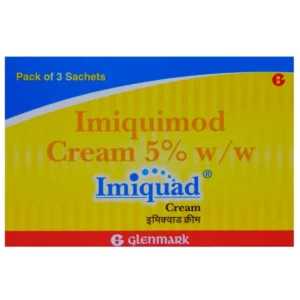
Imiquimod Cream 5% (Imiquad Cream) 12.5 Mg Sachet
Active Ingredient Imiquimod Manufacturer Glenmark Pharmaceuticals Ltd. Packaging 0.25 gm in 1 sachet Strength 12.5mg Delivery Time 6 To 15 days SKU: Imiquad Sachet (Imiquimod) – 12.5 Mg Price range: $75.00 through $216.00Imiquimod Cream 5% (Imiquad Cream) 12.5 Mg Sachet
Price range: $75.00 through $216.00 -
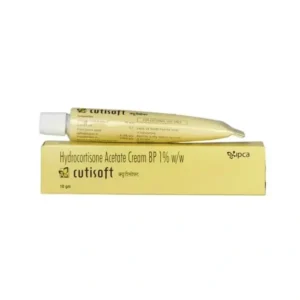
Cutisoft Cream (Hydrocortisone)
Active Ingredient Hydrocortisone Manufacturer Ipca Laboratories Ltd Packaging 10 gm in 1 tube Strength 1% Delivery Time 6 to 15 days SKU: Cutisoft Cream (Hydrocortisone) Price range: $12.00 through $32.00Cutisoft Cream (Hydrocortisone)
Price range: $12.00 through $32.00 -
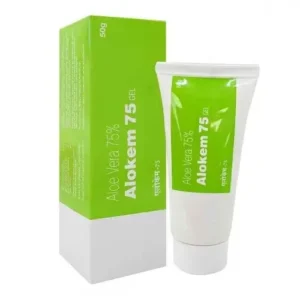
Alokem Gel (Aloe Vera)
Active Ingredient Aloe Vera Manufacturer Alkem Laboratories Ltd Packaging 50g in Tube Strength 50gm Delivery Time 6 To 15 days SKU: Alokem Gel (Aloe Vera) Price range: $8.00 through $39.00Alokem Gel (Aloe Vera)
Price range: $8.00 through $39.00 -
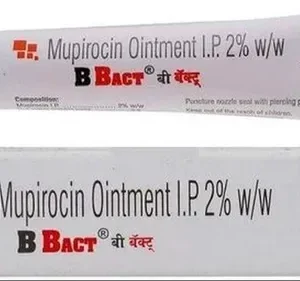
B-Bact Ointment 5 GM (Mupirocin)
Active Ingredient Mupirocin Manufacturer Wallace Pharmaceuticals Pvt. Ltd. Packaging 5 gm in 1 tube Strength 5gm Delivery Time 6 to 15 days SKU: B-Bact Ointment 5 GM (Mupirocin) Price range: $4.00 through $21.00B-Bact Ointment 5 GM (Mupirocin)
Price range: $4.00 through $21.00 -
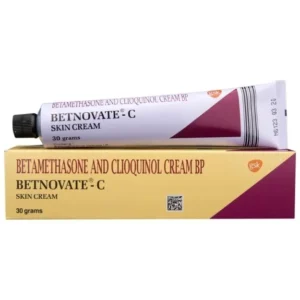
Betnovate C Cream
Active Ingredient Betamethasone + Clioquinol (Iodochlorhydroxyquin) Manufacturer Glaxo SmithKline Pharmaceuticals, India Packaging 30 gm in 1 Tube Strength 30 Gm Delivery Time 6 To 15 days SKU: Betnovate C Cream Price range: $17.00 through $51.00Betnovate C Cream
Price range: $17.00 through $51.00 -
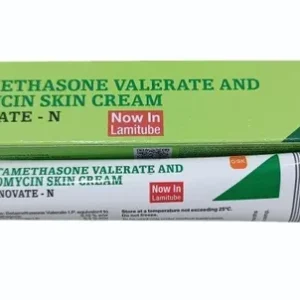
Betnovate N Cream
Active Ingredient Betamethasone 0.1 + Neomycin-0.5 Manufacturer Glaxo SmithKline Pharmaceuticals Ltd Packaging 20 gm in 1 tube Strength 20 gm Delivery Time 6 To 15 days SKU: Betnovate N Cream Price range: $12.00 through $35.00Betnovate N Cream
Price range: $12.00 through $35.00 -
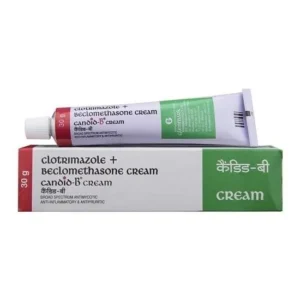
Candid B Cream 10 Gm (Clotrimazole & Beclomethasone)
Active Ingredient Clotrimazole/Beclometasone Manufacturer Glenmark Pharmaceuticals Ltd. Packaging Available in 10g, 20g & 30g Tube Strength 10g Delivery Time 6 to 15 days SKU: Candid B Cream 10 Gm (Clotrimazole/Beclometasone) Price range: $4.00 through $20.00Candid B Cream 10 Gm (Clotrimazole & Beclomethasone)
Price range: $4.00 through $20.00 -
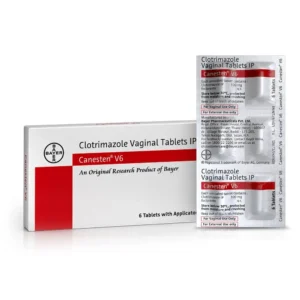
Canesten V6 (Clotrimazole)
Active Ingredient Clotrimazole Manufacturer Bayer Zydus Pharma Packaging 6 tablets in 1 packet Strength 100 Mg Delivery Time 6 To 15 days SKU: Canesten V6 (Clotrimazole) Price range: $12.00 through $33.00Canesten V6 (Clotrimazole)
Price range: $12.00 through $33.00 -
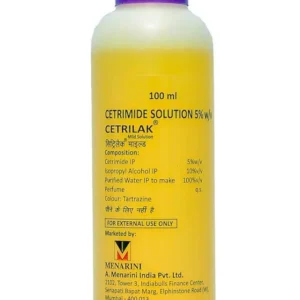
Cetrilak Mild Solution (Cetrimide)
Active Ingredient Cetrimide Manufacturer Menarini India Pvt Ltd Packaging 100ml in bottle Strength 5% Delivery Time 6 To 15 days SKU: Cetrilak Mild Solution (Cetrimide) Price range: $3.00 through $17.00Cetrilak Mild Solution (Cetrimide)
Price range: $3.00 through $17.00 -
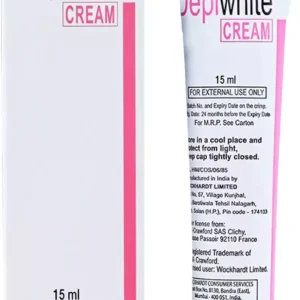
Depiwhite Cream (Hydroquinone & Combination)
Active Ingredient Hydroquinone & Combination Manufacturer Wockhardt Ltd Packaging 15 ml in cream Strength 15ml Delivery Time 6 To 15 days SKU: Depiwhite Cream (Hydroquinone & Combination) Price range: $12.00 through $63.00Depiwhite Cream (Hydroquinone & Combination)
Price range: $12.00 through $63.00 -
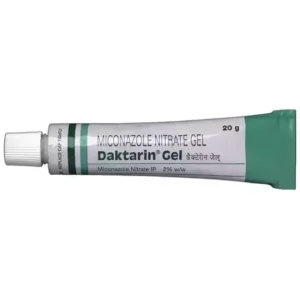
Daktarin Gel (Miconazole)
Active Ingredient Miconazole Manufacturer Janssen Pharmaceuticals, India Packaging 20 gm in 1 tube Strength 2% Delivery Time 6 To 15 days SKU: Daktarin Gel (Miconazole) Price range: $5.00 through $26.00Daktarin Gel (Miconazole)
Price range: $5.00 through $26.00 -
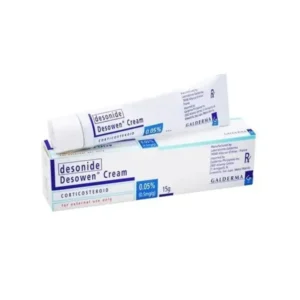
Desowen Cream (Desonide)
Active Ingredient Desonide Manufacturer Galderma India Pvt Ltd Packaging 10 gm in 1 tube Strength 0.05% Delivery Time 6 to 15 days SKU: Desowen Cream (Desonide) Price range: $4.00 through $21.00Desowen Cream (Desonide)
Price range: $4.00 through $21.00