
Skin Disorder Medicines:-
Understanding This Category:-
Skin disorder medicines encompass a wide range of topical and oral medications designed to address various dermatological conditions. The skin, being the body’s largest organ, can be affected by infections, inflammatory conditions, allergic reactions, and other disorders that may require medical intervention. This category includes prescription and over-the-counter products formulated to manage symptoms, support healing, and maintain skin health under medical guidance.
Types of Medicines in This Category:-
Topical Corticosteroids-
These anti-inflammatory medications come in varying strengths (mild to very potent) and help reduce inflammation, itching, and redness. They are available as creams, ointments, lotions, and gels.
Antifungal Medications-
Both topical and oral antifungals target fungal infections of the skin, including conditions affecting the outer skin layers, nails, and hair follicles.
Antibacterial Treatments-
These include topical antibiotics and oral antibacterial medications used for bacterial skin infections and certain inflammatory skin conditions.
Antihistamines-
Oral and topical antihistamines help manage allergic skin reactions and reduce itching associated with various skin disorders.
Retinoids and Vitamin A Derivatives-
These medications help regulate skin cell turnover and are commonly used for specific skin conditions under dermatological supervision.
Immunomodulators-
Topical and systemic medications that modify the immune system response in the skin are used for certain chronic inflammatory conditions.
Moisturizers and Emollients-
Medical-grade hydrating products that support the skin barrier and are often used alongside other treatments.
Antiparasitics-
Medications designed to treat parasitic skin infestations.
Antiseptics and Cleansers-
Specialized cleansing products formulated for skin conditions that require gentle or medicated care.
Common Usage Context:-
Skin disorder medicines are typically prescribed or recommended based on the specific nature, severity, and location of the condition. Treatment approaches vary widely depending on whether the condition is acute or chronic, localized or widespread, and whether it involves infection, inflammation, or other underlying causes.
Many skin conditions require a combination approach, using multiple product types together. Duration of use can range from short-term applications for acute conditions to long-term management strategies for chronic disorders. Healthcare providers consider factors such as age, skin type, medical history, and potential interactions when recommending specific products.
Safety and Responsible Use:-
Important Reminders-
Consult Healthcare Professionals: Always use skin medications as directed by a qualified healthcare provider or according to package instructions for over-the-counter products. Self-diagnosis and treatment can lead to complications or delayed proper care.
Follow Prescribed Duration: Using medications for longer or shorter than recommended can affect treatment outcomes. Some products, particularly topical corticosteroids, should not be used continuously without medical supervision.
Patch Testing: For new topical products, applying a small amount to a test area can help identify potential adverse reactions before broader application.
Sun Sensitivity: Many skin medications increase photosensitivity. Use appropriate sun protection and follow specific guidance about sun exposure.
Pregnancy and Nursing: Inform your healthcare provider if you are pregnant, planning pregnancy, or breastfeeding, as some skin medications are contraindicated during these periods.
Storage Conditions: Store medications according to package instructions, as improper storage can reduce effectiveness. Keep all medications out of reach of children.
Avoid Contamination: Use clean hands or applicators when applying topical medications. Do not share personal skin care products with others.
Monitor for Reactions: Watch for signs of allergic reactions, worsening symptoms, or unexpected side effects, and seek medical attention if these occur.
Drug Interactions: Inform your healthcare provider about all medications, supplements, and other topical products you use, as interactions can occur.
Browsing and Comparing Products:-
When exploring skin disorder medicines, consider these factors to make informed decisions:
Active Ingredients: Understand the primary therapeutic agent and its intended purpose. Products with the same active ingredient may differ in strength or formulation.
Formulation Type: Creams, ointments, lotions, gels, and solutions each have different properties. Ointments are generally more occlusive and moisturizing, while gels and lotions are lighter and may be preferred for hairy areas or oily skin.
Strength and Concentration: Many medications come in multiple strengths. Your healthcare provider will recommend the appropriate concentration based on your specific needs.
Prescription vs. Over-the-Counter: Some conditions require prescription-strength medications, while milder cases may respond to OTC options. Never substitute one for the other without professional guidance.
Package Size and Duration: Consider how long a package will last based on the treatment area and frequency of application. This helps ensure you have adean quate supply for the prescribed course.
Additional Ingredients: Check for potentially irritating ingredients if you have sensitive skin or known allergies. Fragrance-free and hypoallergenic options are available for many product types.
Brand vs. Generic: Generic versions contain the same active ingredients as brand-name products and meet the same quality standards, often at lower cost.
Frequently Asked Questions?
1. How long does it typically take to see improvement with skin disorder medications?
Response time varies significantly depending on the condition being treated and the medication used. Some treatments for acute conditions may show improvement within days, while chronic conditions might require several weeks of consistent use before noticeable benefits appear. For example, topical treatments for minor infections may work within 3-7 days, whereas medications for chronic inflammatory conditions might need 4-8 weeks for optimal effect. If you do not see expected improvement within the timeframe discussed with your healthcare provider, contact them for reassessment rather than discontinuing or intensifying treatment on your own.
2. Can I use multiple skin medications at the same time?
Using multiple skin products simultaneously is common and often necessary, but should be done under healthcare provider guidance. The order of application, timing between products, and compatibility of ingredients all matter for both safety and effectiveness. Some combinations work synergistically, while others may reduce efficacy or increase irritation risk. Generally, thinner products are applied before thicker ones, and specific waiting periods may be needed between applications. Always inform your healthcare provider about all skin products you use, including cosmetics and over-the-counter items.
3. What should I do if my skin condition worsens while using a prescribed medication?
Contact your healthcare provider promptly if your condition worsens, you develop new symptoms, or you experience signs of an allergic reaction such as increased redness, swelling, severe itching, or spreading rash. Do not automatically discontinue the medication without guidance, as some conditions temporarily appear worse during early treatment (known as a “purge period” with certain medications). However, true adverse reactions require immediate attention and treatment adjustment. Keep the product packaging available when you contact your provider so you can reference specific ingredients if needed.
4. Are there differences between treating skin conditions on different body areas?
Yes, skin characteristics vary significantly by body location, which affects both how conditions present and how they should be treated. Facial skin is thinner and more sensitive than skin on the trunk or limbs, often requiring gentler formulations or lower medication strengths. Areas with skin folds (such as underarms or groin) may need different formulations than exposed areas. Scalp treatments often come in solution or foam formulations rather than creams. The palms and soles have thicker skin that may require higher strength products. Your healthcare provider selects medications and formulations based partly on the treatment location.
Disclaimer:-
This information is for educational purposes only and does not constitute medical advice. Always consult qualified healthcare professionals for diagnosis and treatment recommendations specific to your individual situation.
-
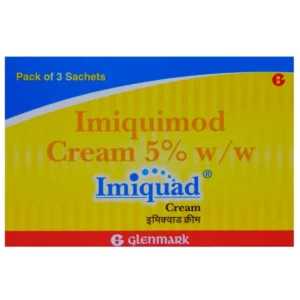
Imiquimod Cream 5% (Imiquad Cream) 12.5 Mg Sachet
Active Ingredient Imiquimod Manufacturer Glenmark Pharmaceuticals Ltd. Packaging 0.25 gm in 1 sachet Strength 12.5mg Delivery Time 6 To 15 days SKU: Imiquad Sachet (Imiquimod) – 12.5 Mg Price range: $75.00 through $216.00Imiquimod Cream 5% (Imiquad Cream) 12.5 Mg Sachet
Price range: $75.00 through $216.00 -
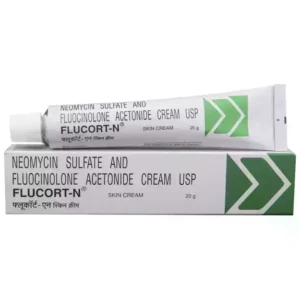
Flucort N Cream (Fluocinolone & Neomycin)
Active Ingredient Fluocinolone Manufacturer Glenmark Pharmaceuticals Ltd Packaging 20 gm in 1 tube, 30 gm in 1 tube Strength 20g Delivery Time 6 to 15 days SKU: Flucort N Cream (Fluocinolone/Neomycin) Price range: $5.00 through $28.00Flucort N Cream (Fluocinolone & Neomycin)
Price range: $5.00 through $28.00 -
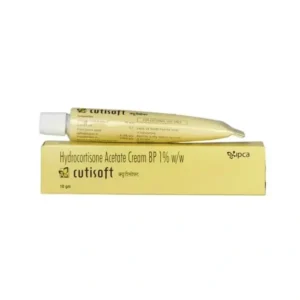
Cutisoft Cream (Hydrocortisone)
Active Ingredient Hydrocortisone Manufacturer Ipca Laboratories Ltd Packaging 10 gm in 1 tube Strength 1% Delivery Time 6 to 15 days SKU: Cutisoft Cream (Hydrocortisone) Price range: $12.00 through $32.00Cutisoft Cream (Hydrocortisone)
Price range: $12.00 through $32.00 -
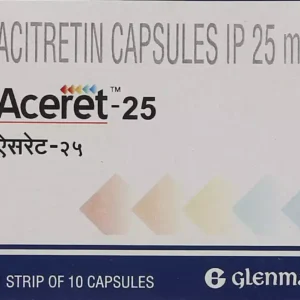
Aceret 25 Mg (Acitretin)
Active Ingredient Acitretin Manufacturer Glenmark Pharmaceuticals Ltd. Packaging 10 capsules in 1 strip Strength 25 Mg Delivery Time 6 to 15 days SKU: Aceret 25 Mg (Acitretin) Price range: $87.00 through $245.00Aceret 25 Mg (Acitretin)
Price range: $87.00 through $245.00 -
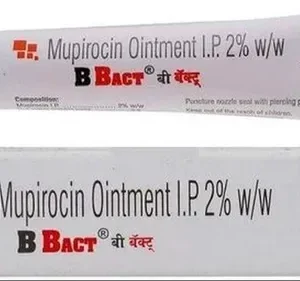
B-Bact Ointment 5 GM (Mupirocin)
Active Ingredient Mupirocin Manufacturer Wallace Pharmaceuticals Pvt. Ltd. Packaging 5 gm in 1 tube Strength 5gm Delivery Time 6 to 15 days SKU: B-Bact Ointment 5 GM (Mupirocin) Price range: $4.00 through $21.00B-Bact Ointment 5 GM (Mupirocin)
Price range: $4.00 through $21.00 -
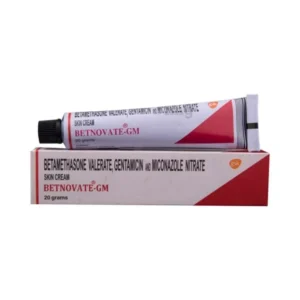
Betnovate GM (Betamethasone, Gentamicin & Miconazole)
Active Ingredient Betamethasone Manufacturer GlaxoSmithKline Pharmaceuticals Ltd Packaging 20g & 30g Tubes Strength 20g Delivery Time 6 to 15 days SKU: Betnovate GM (Betamethasone/Gentamicin/Miconazole) Price range: $4.00 through $20.00Betnovate GM (Betamethasone, Gentamicin & Miconazole)
Price range: $4.00 through $20.00 -
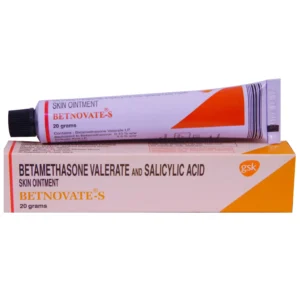
Betnovate S (Betamethasone & Salicylic)
Active Ingredient Betamethasone Manufacturer GlaxoSmithKline Pharmaceuticals Ltd Packaging 20g & 30g Tubes Strength 20g Delivery Time 6 To 15 days SKU: Betnovate S (Betamethasone/Salicylic) Price range: $4.00 through $20.00Betnovate S (Betamethasone & Salicylic)
Price range: $4.00 through $20.00 -
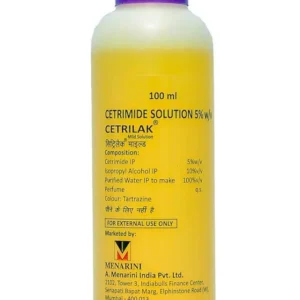
Cetrilak Mild Solution (Cetrimide)
Active Ingredient Cetrimide Manufacturer Menarini India Pvt Ltd Packaging 100ml in bottle Strength 5% Delivery Time 6 To 15 days SKU: Cetrilak Mild Solution (Cetrimide) Price range: $3.00 through $17.00Cetrilak Mild Solution (Cetrimide)
Price range: $3.00 through $17.00 -
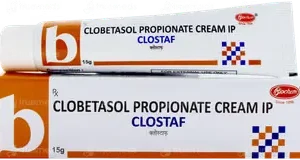
Clostaf Cream (Clobetasol Propionate)
Active Ingredient Clobetasol Propionate Manufacturer Biochem Pharmaceutical Industries Ltd Packaging 15g Tube Strength 15gm Delivery Time 6 To 15 days SKU: Clostaf Cream (Clobetasol Propionate) Price range: $7.00 through $25.00Clostaf Cream (Clobetasol Propionate)
Price range: $7.00 through $25.00 -
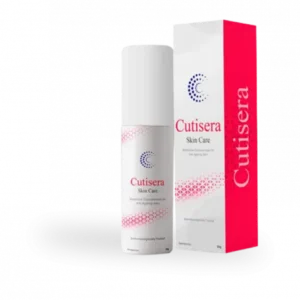
Cutisera Serum (Conditioned Medium)
Active Ingredient Conditioned Medium Manufacturer Cipla Limited Packaging 30ml in 1 bottle Strength 30ml Delivery Time 6 To 15 days SKU: Cutisera Serum (Conditioned Medium) Price range: $70.00 through $200.00Cutisera Serum (Conditioned Medium)
Price range: $70.00 through $200.00 -
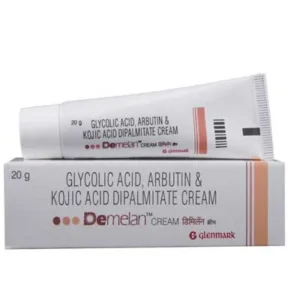
Demelan Cream (Glycolic Acid, Arbutin & Kojic Acid)
Active Ingredient Glycolic acid/Arbutin/Kojic acid Manufacturer Glenmark Pharmaceuticals Ltd. Packaging 20gm in 1 Tube Strength 20g Delivery Time 6 to 15 days SKU: Demelan Cream (Glycolic Acid/Arbutin/Kojic Acid) Price range: $15.00 through $60.00Demelan Cream (Glycolic Acid, Arbutin & Kojic Acid)
Price range: $15.00 through $60.00 -
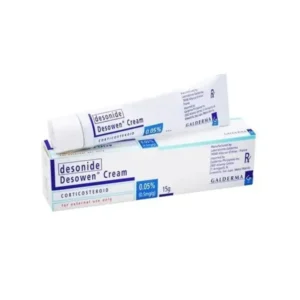
Desowen Cream (Desonide)
Active Ingredient Desonide Manufacturer Galderma India Pvt Ltd Packaging 10 gm in 1 tube Strength 0.05% Delivery Time 6 to 15 days SKU: Desowen Cream (Desonide) Price range: $4.00 through $21.00Desowen Cream (Desonide)
Price range: $4.00 through $21.00