
Scars Treatment Products:-
Understanding This Category:-
Scar treatment products are topical preparations designed to help manage the appearance and texture of scars resulting from injury, surgery, acne, burns, or other skin trauma. These products work through various mechanisms, including hydration, silicone-based occlusion, ingredient delivery to support skin remodeling, and protection of healing tissue. While scars are a natural part of the healing process, many people seek products to help minimize their visibility or improve skin texture over time.
Types of Products in This Category:-
Silicone-Based Treatments-
Silicone gels and sheets create a protective barrier over scars, helping to maintain hydration and create an optimal environment for healing. These are among the most studied scar management approaches and are available in both gel and adhesive sheet formats.
Topical Creams and Gels-
These formulations may contain various active ingredients such as allantoin, allium cepa (onion extract), heparin, panthenol, or other compounds. They are designed for direct application to scar tissue and often focus on hydration and skin conditioning.
Vitamin-Based Formulations-
Products containing vitamins A, C, or E, which are believed to support skin health and may help with the appearance of scars through antioxidant properties and support of collagen formation.
Combination Products-
Many scar treatments combine multiple approaches, such as silicone with additional active ingredients, to address various aspects of scar appearance and texture.
Specialized Formulations-
Some products target specific scar types, such as those designed for keloid scars, hypertrophic scars, or post-acne marks. Others may be formulated for sensitive areas like the face.
Common Usage Context:-
People typically use scar treatment products for several reasons:
– Post-Surgical Care: Following medical or cosmetic procedures to support optimal healing
– Injury Recovery: After cuts, burns, or other traumatic skin injuries have closed
– Acne Scarring: To address textural changes or discoloration from previous acne breakouts
– Stretch Marks: Some products are marketed for pregnancy-related or growth-related skin changes
– Old Scar Management: Attempting to improve the appearance of existing, established scars
Most scar treatment products are intended for use on closed wounds only. They are generally applied consistently over weeks or months, as scar remodeling is a gradual biological process.
Safety and Responsible Use:-
Important Safety Reminders-
Do Not Use On:
– Open wounds or unhealed skin
– Infected areas
– Mucous membranes or near the eyes unless specifically indicated
Consult a Healthcare Professional If:
– Your scar shows signs of infection (increased redness, warmth, pain, or discharge)
– The scar is changing rapidly in size, color, or texture
– You have a history of keloid formation
– You’re considering treatment for facial scars or scars on children
– You have concerns about whether a wound has healed sufficiently
General Precautions:
– Always perform a patch test before applying a new product to a large scarred area
– Follow product-specific instructions regarding frequency and duration of use
– Be aware that results vary significantly between individuals
– Sun protection is important for healing scars, as UV exposure can cause darkening
– Some ingredients may cause skin irritation or allergic reactions in sensitive individuals
Realistic Expectations-
Scar treatment products cannot eliminate scars. The biological process of scar formation is permanent, though the appearance may improve over time. Products work best on newer scars that are still in the active remodeling phase (typically the first 12-24 months after injury). Results require consistent, long-term application and vary based on scar type, location, individual healing characteristics, and other factors.
Browsing and Comparing Products:-
Consider These Factors:
Scar Characteristics:
– Type (surgical, traumatic, acne, burn-related)
– Age (new versus established)
– Location on the body
– Size and severity
Product Format:
– Gels absorb quickly and work well under clothing or makeup
– Sheets provide continuous coverage but may be visible
– Creams offer rich hydration but may take longer to absorb
Active Ingredients:
– Look for products with evidence-based ingredients like silicone
– Consider whether you prefer single-ingredient or combination formulations
– Check for potential allergens if you have sensitive skin
Application Requirements:
– How often the product needs to be applied
– Whether it’s suitable for visible areas (face, hands)
– If it can be used with makeup or sunscreen
Duration of Treatment:
– Most products require 8-12 weeks minimum to see noticeable changes
– Some recommend 3-6 months of consistent use
Reading Product Information:
– Check whether the product is intended for your specific scar type
– Note any age restrictions or special population warnings
– Look for clear usage instructions
– Review the ingredient list if you have known sensitivities
– Consider products with quality manufacturing standards
Frequently Asked Questions?
1. When should I start using a scar treatment product?
Scar treatment products should only be applied to completely healed, closed wounds. This typically means waiting until any scabs have fallen off naturally, stitches have been removed (if applicable), and the skin surface is intact without any openings. For surgical scars, this is usually 2-3 weeks after the procedure, but always follow your healthcare provider’s specific guidance. Starting too early on an open or healing wound can increase infection risk and may interfere with the natural healing process. For older, established scars, products can be started at any time, though they tend to be most effective on scars that are still in the active remodeling phase within the first two years.
2. How long does it take to see results from scar treatment products?
Most scar treatment products require consistent application over an extended period before visible improvements occur. Typical timeframes range from 8-12 weeks for initial changes to 3-6 months or longer for more significant results. Newer scars generally respond better and faster than older, established scars. The biological process of scar remodeling happens gradually, and factors like scar type, location, individual healing characteristics, and consistent product application all influence outcomes. It’s important to maintain realistic expectations and understand that while appearance may improve with texture, color, or pliability changes, scars cannot be eliminated.
3. Can these products be used on all types of scars?
Different scar treatment products are formulated for different scar types. Common categories include flat scars from surgery or injury, raised scars (hypertrophic), keloids (overgrown scar tissue extending beyond the original wound), atrophic scars (depressed areas common with acne), and stretch marks. Not all products work equally well for all scar types. Keloid scars, for instance, may require more intensive medical intervention beyond over-the-counter products. Always read product labeling to ensure it’s appropriate for your specific scar type, and consult a healthcare professional for unusual scars, rapidly changing scars, or if you have a history of keloid formation.
4. Are scar treatment products safe to use during pregnancy or on children?
Safety varies by product and its specific ingredients. Some scar treatment products, particularly those with simple silicone-based formulations, are generally considered safe for use during pregnancy and breastfeeding, but it’s essential to verify this with the specific product information. For children, many products have age restrictions, and parental supervision is recommended. Before using any scar treatment product during pregnancy, while breastfeeding, or on children, consult with a healthcare provider to ensure the specific formulation is appropriate. Some ingredients that are safe for adults may not be recommended for developing fetuses or young children.
Medical Disclaimer:-
This information is for educational purposes only and does not constitute medical advice. Always consult a qualified healthcare professional for diagnosis, treatment recommendations, and personalized medical guidance regarding scars or any health condition.
-
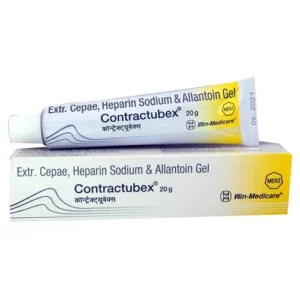
Contractubex Gel (Extractum Cepae, Heparin & Allantion)
Active Ingredient Extractum cepae/Heparin/Allantoin Manufacturer Win-Medicare Pvt Ltd (MERZ) Packaging 20g Tube Strength 20g Delivery Time 6 To 15 days SKU: Contractubex Gel (Extractum Cepae/Heparin/Allantoin) Price range: $26.00 through $145.00Contractubex Gel (Extractum Cepae, Heparin & Allantion)
Price range: $26.00 through $145.00 -
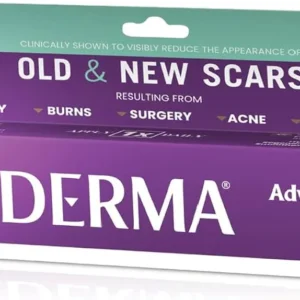
Mederma Gel (Extractum Cepae, Heparin & Allantion)
Active Ingredient Extractum Cepae/Heparin/Allantoin Manufacturer Win-Medicare Pvt Ltd (MERZ) Packaging 10g Tube Strength 10 g Delivery Time 6 To 15 days SKU: Mederma Gel (Extractum Cepae/Heparin/Allantoin) Price range: $25.00 through $144.00Mederma Gel (Extractum Cepae, Heparin & Allantion)
Price range: $25.00 through $144.00