
Scabies Treatment Medicines:-
Understanding Scabies and Its Treatment:-
Scabies is a contagious skin condition caused by tiny mites called Sarcoptes scabiei that burrow into the upper layer of skin. These microscopic parasites cause intense itching and a rash, particularly at night. Scabies spreads through prolonged skin-to-skin contact and can affect people of all ages and backgrounds. The condition is treatable with specific medications designed to eliminate the mites and their eggs. Proper treatment not only helps the affected individual but also prevents transmission to family members and close contacts.
Types of Products Available:-
The scabies treatment category includes several types of medications, each formulated to effectively eliminate the mite infestation:
Topical Scabicides: These are creams, lotions, or ointments applied directly to the skin. They work by killing the mites and their eggs through direct contact. Different formulations contain various active ingredients, each with specific application instructions and recommended durations of contact with the skin.
Oral Medications: In certain situations, oral treatments may be used as an alternative or complement to topical applications. These systemic treatments work throughout the body and may be considered when topical treatments are impractical or when dealing with widespread infestation.
Symptom Relief Products: While not treating the underlying infestation, antihistamines and soothing lotions may help manage itching and discomfort during and after treatment. These supportive products can improve comfort as the condition resolves.
Environmental Treatment Products: Some products are designed for treating bedding, clothing, and furniture to prevent reinfestation, though these are typically non-pharmaceutical items.
Common Use Considerations:-
Scabies medications are used to eliminate the mite infestation from the skin. Understanding general aspects of their use helps ensure effective treatment:
Application Approach: Most topical treatments are applied to the entire body from the neck down, including often-overlooked areas such as between fingers and toes, under nails, and in skin folds. Some formulations require application to the scalp and face as well, particularly in young children or individuals with compromised immune systems.
Timing and Duration: Treatment protocols typically involve leaving the medication on the skin for a specified period (often 8-14 hours) before washing it off. A second application is usually recommended after a specific interval to address newly hatched mites.
Household Considerations: Since scabies spreads easily among household members and close contacts, treatment often involves everyone who has had prolonged contact with the affected person, even if they don’t show symptoms yet.
Environmental Measures: Concurrent washing of bedding, towels, and clothing in hot water, along with vacuuming furniture and carpets, supports treatment effectiveness by removing mites from the environment.
Post-Treatment Expectations: Itching may persist for several weeks after successful treatment as the skin heals and the immune system continues responding to dead mites and their waste products.
Promoting Safe Medicine Awareness:-
Prescription Requirements: Most effective scabies treatments require prescriptions from healthcare providers who can confirm the diagnosis and recommend appropriate therapy based on individual circumstances, age, pregnancy status, and other health factors.
Proper Diagnosis: Accurate diagnosis is essential before starting treatment. Several skin conditions can mimic scabies, and using scabicides unnecessarily exposes individuals to potential side effects without benefit. Healthcare providers can perform skin examinations or tests to confirm scabies.
Following Instructions: Each medication has specific application guidelines regarding how much to use, which body areas to cover, how long to leave it on, and when to reapply. Deviating from these instructions may result in treatment failure or increased side effects.
Vulnerable Populations: Infants, young children, pregnant or breastfeeding women, and individuals with certain health conditions require special consideration when selecting scabies treatments. Healthcare providers choose appropriate options for these groups.
Resistance Awareness: In some regions, mites have developed resistance to certain treatments. Healthcare providers consider local resistance patterns when prescribing medications.
Avoiding Contamination: Keep scabies medications away from eyes, mouth, and mucous membranes unless specifically directed otherwise. Store medications safely away from children and pets.
Browsing and Selecting Products:-
When exploring scabies treatment options, consider these factors:
– Consultation First: Always obtain a confirmed diagnosis from a healthcare provider before purchasing scabies treatments. Self-diagnosis can lead to inappropriate treatment.
– Age-Appropriate Options: Different medications are approved for different age groups. Ensure any product is suitable for the intended user.
– Complete Treatment Course: Have enough medication to complete the full treatment protocol, including potential second applications and treatment of household contacts if recommended.
– Complementary Products: Consider whether you’ll need antihistamines for itch relief or other supportive care items alongside the primary treatment.
– Pharmacy Guidance: Licensed pharmacists can provide valuable information about proper application techniques, expected timelines for improvement, and signs that medical follow-up is needed.
Understanding that successful scabies treatment often requires coordinated efforts—including medication use, environmental cleaning, and sometimes treatment of contacts—helps set realistic expectations for resolution.
Frequently Asked Questions?
1. How do scabies medications work to eliminate the infestation?
Scabies medications, called scabicides, work by killing the mites and their eggs through various mechanisms depending on the active ingredient. Some work by paralyzing and killing the mites’ nervous systems, while others disrupt their ability to survive and reproduce. Topical treatments penetrate the skin layers where mites burrow, reaching the parasites directly. When applied correctly to the entire body as directed, these medications eliminate the mite population. However, because eggs may be resistant to some treatments or may hatch after initial application, a second treatment is typically necessary to ensure all newly emerged mites are eliminated. The specific mechanism and recommended application schedule depend on the particular medication prescribed.
2. Why does itching continue even after successful treatment?
Persistent itching after scabies treatment is very common and doesn’t necessarily mean the treatment failed. The itching and rash associated with scabies result from an allergic reaction to the mites, their eggs, and their waste products. Even after all the mites are dead, these substances remain in the skin temporarily, continuing to trigger immune responses and itching. This post-treatment itching can persist for 2-4 weeks or occasionally longer as the body gradually clears these materials and the skin heals. The itching should gradually diminish over time. If itching persists beyond 4 weeks, worsens significantly, or new burrows appear, this may indicate treatment failure or reinfestation, warranting medical evaluation. Healthcare providers can distinguish between normal post-treatment symptoms and actual treatment failure.
3. Do all household members need treatment even if they don’t have symptoms?
Healthcare providers commonly recommend treating all household members and close contacts simultaneously, even without visible symptoms, because scabies has an incubation period of 2-6 weeks in people who’ve never had it before. During this time, individuals can be infected and contagious without knowing it. Treating everyone at once prevents the “ping-pong” effect where the infestation cycles back and forth among household members. Close contacts include anyone who has had prolonged skin-to-skin contact with the affected person, such as family members, intimate partners, and sometimes caregivers. Brief casual contact, like shaking hands or a brief hug, typically doesn’t transmit scabies. Healthcare providers assess each situation individually to determine who should receive treatment based on the level and duration of contact.
4. Can scabies treatments be used during pregnancy or breastfeeding?
Pregnancy and breastfeeding require special consideration when treating scabies because medication safety profiles vary. Some scabies treatments have more established safety data during pregnancy and lactation than others. Healthcare providers carefully weigh the benefits of treating the infestation against any potential risks to the developing baby or nursing infant. Certain topical treatments are generally preferred during pregnancy because they have limited absorption into the bloodstream. The choice depends on the stage of pregnancy, overall health, severity of infestation, and available treatment options. Pregnant or breastfeeding individuals should never self-treat for scabies and should always consult healthcare providers who can recommend the most appropriate option for their specific situation.
Disclaimer:-
This content is provided for educational purposes only and does not replace professional medical advice, diagnosis, or treatment. Always consult qualified healthcare providers regarding scabies diagnosis and appropriate treatment for your specific situation.
-
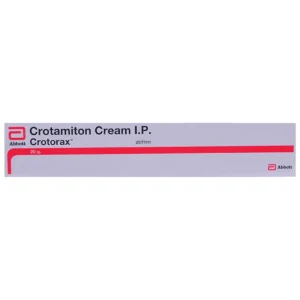
Crotorax Cream (Crotamiton)
Active Ingredient Crotamiton Manufacturer Abbott India Pvt Ltd Packaging 20 gm in 1 tube Strength 10% Delivery Time 6 to 15 days SKU: Crotorax Cream (Crotamiton) Price range: $3.00 through $15.00Crotorax Cream (Crotamiton)
Price range: $3.00 through $15.00 -
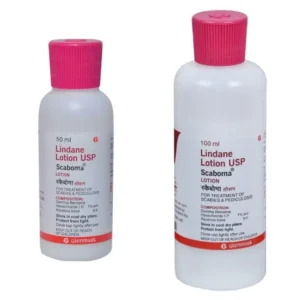
Lindan Lotion 100 ML
Active Ingredient Lindane Gamma Benzene Hexachloride Manufacturer Healing Pharma, India Packaging 100 ml in 1 bottle Strength 100 ml Delivery Time 6 To 15 days SKU: Lindan Lotion 100 ML (Lindane/Gamma Benzene Hexachloride) Price range: $4.00 through $20.00Lindan Lotion 100 ML
Price range: $4.00 through $20.00 -
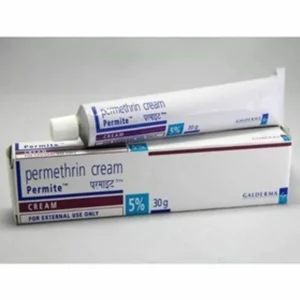 Price range: $15.00 through $55.00
Permethrin Cream (Permethrin)
Price range: $15.00 through $55.00 -
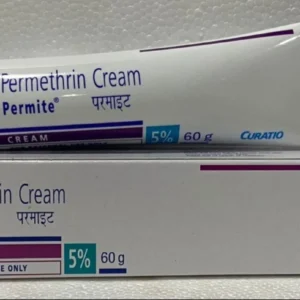
Permite Cream (Permethrin)
Active Ingredient Permethrin Manufacturer Curatio Healthcare India Pvt Ltd Packaging 60 gm in 1 tube Strength 5% Delivery Time 6 To 15 days SKU: Permite Cream (Permethrin) Price range: $6.00 through $27.00Permite Cream (Permethrin)
Price range: $6.00 through $27.00 -
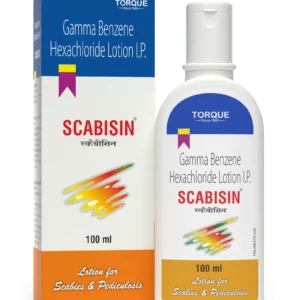
Scabisin Lotion (Lindane & Gamma Benzene Hexachloride)
Active Ingredient Lindane/Gamma Benzene Hexachloride Manufacturer Torque Pharmaceuticals Pvt. Ltd Packaging 100 ml in 1 bottle Strength 1% Delivery Time 6 To 15 days SKU: Scabisin Lotion (Lindane/Gamma Benzene Hexachloride) Price range: $7.00 through $36.00Scabisin Lotion (Lindane & Gamma Benzene Hexachloride)
Price range: $7.00 through $36.00 -
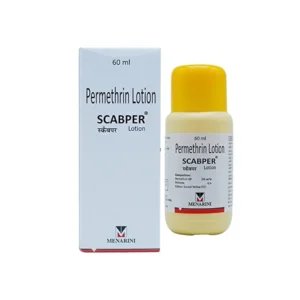
Scabper Lotion (Permethrin)
Active Ingredient Permethrin Manufacturer Menarini India Pvt Ltd Packaging 60 ml in 1 bottle Strength 5% Delivery Time 6 To 15 days SKU: Scabper Lotion (Permethrin) Price range: $4.00 through $20.00Scabper Lotion (Permethrin)
Price range: $4.00 through $20.00