
Respiratory Medicines:-
Understanding Respiratory Health Products:-
The respiratory system encompasses the organs and structures involved in breathing, including the nose, throat, airways, and lungs. When this system experiences disruption—whether from infections, allergies, chronic conditions, or environmental factors—various symptoms can affect daily comfort and quality of life. Respiratory medicines represent a broad category of pharmaceutical products designed to support breathing function, manage symptoms affecting the airways, and address conditions that impact respiratory health.
These products work through different mechanisms depending on their intended purpose, from opening narrowed airways to reducing inflammation, thinning mucus, suppressing coughs, or addressing underlying causes of respiratory discomfort.
Types of Products in This Category:-
The respiratory medicine category includes diverse product types, each serving specific functions:
Bronchodilators: These medications help relax and open the airways, making breathing easier. They come in various formulations, including quick-relief options for immediate symptom management and longer-acting versions for ongoing control.
Inhaled Corticosteroids: These anti-inflammatory medications work directly in the airways to reduce swelling and irritation over time. They’re typically used as maintenance therapy rather than for immediate symptom relief.
Combination Inhalers: Some products contain multiple active ingredients that work together, often combining a bronchodilator with an anti-inflammatory component for comprehensive airway management.
Mucolytics and Expectorants: These products help thin and loosen mucus in the airways, making it easier to clear secretions and breathe more comfortably.
Cough Preparations: Various formulations address different types of coughs, from those that suppress the cough reflex to those that help make coughs more productive.
Antihistamines and Decongestants: These products address allergy-related respiratory symptoms and nasal congestion that can impact breathing comfort.
Leukotriene Modifiers: Oral medications that help reduce inflammation and prevent airway narrowing by blocking specific chemical messengers in the body.
Nasal Sprays: Topical treatments that deliver medication directly to the nasal passages to address inflammation, congestion, or allergic responses.
Common Use Scenarios:-
Respiratory medicines address a wide range of situations and conditions:
Chronic Respiratory Conditions: Many products provide ongoing management for long-term airway conditions, helping maintain stable breathing function and prevent symptom flare-ups.
Acute Respiratory Symptoms: Short-term use products address temporary symptoms from common respiratory infections, seasonal allergies, or environmental irritants.
Exercise-Related Breathing Difficulties: Certain medications help prevent or manage breathing challenges that occur during physical activity.
Seasonal and Environmental Triggers: Products may be used preventively or reactively when exposure to allergens, pollutants, or other environmental factors affects respiratory comfort.
Nighttime Respiratory Symptoms: Some formulations are designed to provide extended symptom control during sleep hours.
The appropriate product selection depends on numerous factors, including the specific symptoms present, their severity and frequency, underlying health conditions, other medications being taken, and individual response patterns. Healthcare providers evaluate these factors to recommend suitable options.
Promoting Safe Medicine Awareness:-
Proper Device Technique: Many respiratory medications use specialized delivery devices such as inhalers, nebulizers, or nasal spray applicators. Correct technique is essential for the medication to reach its intended target and work effectively. Pharmacists and healthcare providers can demonstrate proper usage and check technique periodically.
Understanding Product Differences: Not all respiratory medicines work the same way. Some provide immediate relief and should be used when symptoms occur, while others work gradually and must be used regularly even when feeling well. Understanding these distinctions prevents misuse and ensures optimal outcomes.
Monitoring and Documentation: Keeping track of symptom patterns, medication usage frequency, and triggers helps healthcare providers assess treatment effectiveness and make informed adjustments.
Prescription vs. Over-the-Counter: While some respiratory products are available without a prescription, many require medical authorization. Prescription requirements exist to ensure appropriate selection, proper monitoring, and coordination with overall health management.
Storage and Expiration: Respiratory medications often have specific storage requirements. Inhalers may lose effectiveness if exposed to extreme temperatures, and solutions may degrade over time. Always check expiration dates and storage instructions.
Avoiding Overuse: Some respiratory products, particularly quick-relief medications and decongestants, can cause problems if overused. Following recommended dosing schedules and consulting healthcare providers when needing products more frequently than expected is important for safety.
Drug Interactions: Respiratory medicines can interact with other medications, supplements, or health conditions. Always inform healthcare providers and pharmacists about all products you use.
Choosing Products Confidently:-
When exploring respiratory medicine options:
– Discuss your specific symptoms, their frequency, and impact on daily activities with healthcare professionals
– Ask about the difference between preventive maintenance medications and symptom-relief products
– Understand the expected timeline for noticing improvement with different product types
– Request demonstrations of proper inhaler or device technique and practice with supervision
– Inquire about potential side effects and what to do if they occur
– Clarify when to use the medication and when to seek additional medical attention
– Consider keeping a symptom diary to identify patterns and triggers
– Ask about non-medication strategies that complement pharmaceutical approaches
Remember that respiratory health management often involves multiple components, and medication is just one aspect of a comprehensive approach that may include environmental modifications, lifestyle adjustments, and regular medical monitoring.
Frequently Asked Questions?
1. What’s the difference between a rescue inhaler and a maintenance inhaler?
Rescue inhalers (also called reliever or quick-relief inhalers) contain fast-acting bronchodilators that work within minutes to quickly open airways during symptom flare-ups or breathing difficulties. They’re used on an as-needed basis when symptoms occur. Maintenance inhalers (also called controller or preventer inhalers) typically contain anti-inflammatory medications that work gradually over time to reduce airway inflammation and prevent symptoms from developing. They must be used regularly as prescribed, often daily, even when feeling well. Maintenance medications don’t provide immediate relief during acute symptoms. Many people with chronic respiratory conditions use both types—maintenance medications for ongoing control and rescue medications for breakthrough symptoms. If you find yourself using a rescue inhaler more frequently than recommended, this signals the need to consult your healthcare provider about adjusting your maintenance therapy.
2. Why do some respiratory medications require regular use even when I’m feeling fine?
Many respiratory conditions involve underlying inflammation or airway changes that persist even when obvious symptoms aren’t present. Maintenance medications work by gradually reducing this inflammation, strengthening airway function, and preventing the conditions that lead to symptoms. Stopping these medications when feeling better allows inflammation to return, often leading to symptom recurrence and potentially more severe flare-ups. Think of it like taking medication for high blood pressure—the treatment works to prevent problems, not just address them after they occur. Consistency is essential for these medications to maintain their protective effects. The timeline for noticing improvement varies by product type, with some taking several weeks to reach full effectiveness. Always follow your prescribed regimen and discuss any concerns about necessity or effectiveness with your healthcare provider rather than discontinuing on your own.
3. How do I know if I’m using my inhaler correctly?
Proper inhaler technique is surprisingly complex, and studies show many people don’t use their inhalers optimally, which significantly reduces medication effectiveness. Common mistakes include not shaking the inhaler when required, incorrect timing of breath coordination, breathing in too quickly or too slowly, not holding breath after inhalation, and poor positioning of the device. Each inhaler type (metered-dose inhalers, dry powder inhalers, soft mist inhalers) has specific technique requirements. The best approach is to have a healthcare provider, respiratory therapist, or pharmacist watch you use your inhaler and provide feedback. Request these technique checks regularly, especially when starting a new inhaler type or if you’re not experiencing expected benefits. Many pharmacies offer this service, and instructional videos are available for reference. Using a spacer device with metered-dose inhalers can improve medication delivery and reduce technique-related errors.
4. What should I do if my respiratory medication doesn’t seem to be working?
Several factors might explain why a respiratory medication isn’t providing expected benefits. First, verify you’re using proper technique—incorrect inhaler use is a common reason for poor results. Second, ensure you’re using the right medication for your symptoms—using only maintenance medication during acute symptoms won’t provide immediate relief, just as using only rescue medication won’t address underlying inflammation. Third, consider timing—some medications take days or weeks to reach full effectiveness. Environmental factors, new triggers, infections, or disease progression might also affect symptom control. Rather than increasing doses or frequency on your own, contact your healthcare provider. They can assess whether technique adjustment, medication change, dosage modification, or additional evaluation is needed. Requiring your rescue inhaler more than twice weekly (outside of exercise) or waking at night due to symptoms typically indicates the need for treatment adjustment. Keep track of your symptoms and medication usage patterns to share with your healthcare provider for more informed decision-making.
Disclaimer:-
This content is intended for educational purposes only and does not replace professional medical advice. Always consult qualified healthcare providers for personalized guidance regarding respiratory health, medication selection, and treatment plans.
-
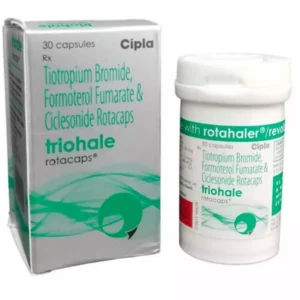
Triohale Rotacaps (Tiotropium, Formoterol & Ciclesonide)
Active Ingredient Tiotropium/Formoterol/Ciclesonide Manufacturer Cipla Limited Packaging 15 Rotacaps in 1 packet Delivery Time 6 To 15 days SKU: Triohale Rotacaps (Tiotropium/Formoterol/Ciclesonide) Price range: $12.00 through $31.50Triohale Rotacaps (Tiotropium, Formoterol & Ciclesonide)
Price range: $12.00 through $31.50 -
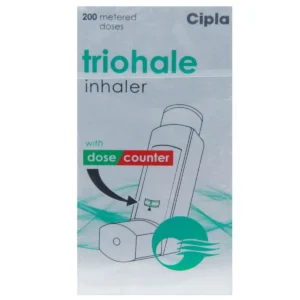
Triohale Inhaler (Tiotropium,Formoterol & Ciclesonide)
Active Ingredient Tiotropium/Formoterol/Ciclesonide Manufacturer Cipla Limited Packaging 200 MDI in 1 Inhaler Delivery Time 6 To 15 days SKU: Triohale Inhaler (Tiotropium/Formoterol/Ciclesonide) Price range: $33.00 through $95.00Triohale Inhaler (Tiotropium,Formoterol & Ciclesonide)
Price range: $33.00 through $95.00 -
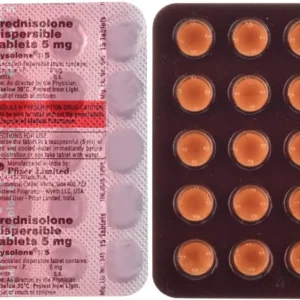 Price range: $12.00 through $48.00
Wysolone 5 Mg (Prednisolone)
Price range: $12.00 through $48.00 -
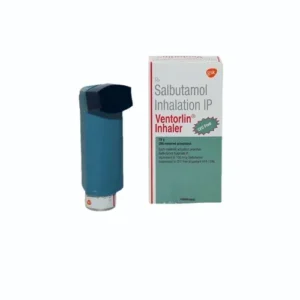
Ventorlin Inhaler 100 Mcg (Salbutamol)
Active Ingredient Salbutamol Manufacturer GlaxoSmithKline Pharmaceuticals Ltd Packaging 200 MDI in 1 Inhaler Strength 100 Mcg Delivery Time 6 To 15 days SKU: Ventorlin Inhaler 100 Mcg (Salbutamol) Price range: $6.00 through $25.00Ventorlin Inhaler 100 Mcg (Salbutamol)
Price range: $6.00 through $25.00 -
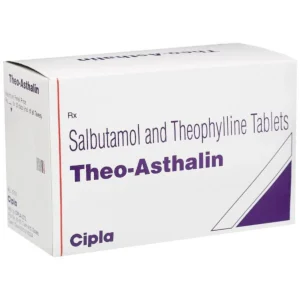
Theo Asthalin Tablet (Salbutamol & Theophylline)
Active Ingredient Salbutamol/Theophylline Manufacturer Cipla Limited Packaging 10 tablets in 1 strip Strength 2mg+100mg Delivery Time 6 To 15 days SKU: Theo Asthalin Tablet (Salbutamol/Theophylline) Price range: $6.48 through $19.50Theo Asthalin Tablet (Salbutamol & Theophylline)
Price range: $6.48 through $19.50 -

Theo Asthalin Forte (Salbutamol & Theophylline)
Active Ingredient Salbutamol/Theophylline Manufacturer Cipla Limited Packaging 10 tablets in 1 strip Delivery Time 6 To 15 days SKU: Theo Asthalin Forte (Salbutamol/Theophylline) Price range: $6.30 through $18.00Theo Asthalin Forte (Salbutamol & Theophylline)
Price range: $6.30 through $18.00 -
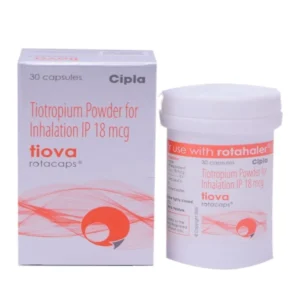
Tiova Rotacaps (Tiotropium Bromide)
Active Ingredient Tiotropium Bromide Manufacturer Cipla Limited Packaging 15 Rotacaps in 1 packet Strength 18 Mcg Delivery Time 6 To 15 days SKU: Tiova Rotacaps (Tiotropium Bromide) Price range: $14.00 through $37.00Tiova Rotacaps (Tiotropium Bromide)
Price range: $14.00 through $37.00 -
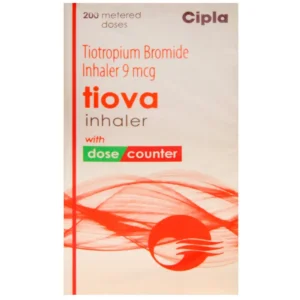
Tiova Inhaler (Tiotropium Bromide)
Active Ingredient Tiotropium Bromide Manufacturer Cipla Limited Packaging 200 MDI in 1 Inhaler Strength 9 Mcg Delivery Time 6 To 15 days SKU: Tiova Inhaler (Tiotropium Bromide) Price range: $15.00 through $42.00Tiova Inhaler (Tiotropium Bromide)
Price range: $15.00 through $42.00 -
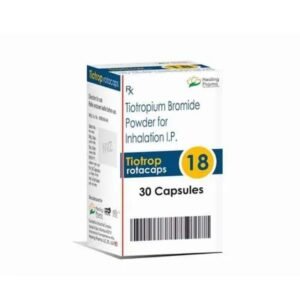
Tiotrop Rotacaps (Tiotropium Bromide)
Active Ingredient Tiotropium Bromide Manufacturer Healing Pharma, India Packaging 15 Rotacaps in 1 packet Strength 18 Mcg Delivery Time 6 To 15 days SKU: Tiotrop Rotacaps (Tiotropium Bromide) Price range: $15.00 through $37.00Tiotrop Rotacaps (Tiotropium Bromide)
Price range: $15.00 through $37.00 -
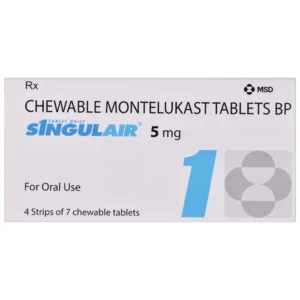
Singulair 5 Mg (Montelukast)
Active Ingredient Montelukast Manufacturer MSD Pharmaceuticals India Pvt. Ltd. Packaging 7 Tablets in strips & 14 tablets in strips Strength 5 Mg, 10 Mg Delivery Time 6 To 15 days SKU: Singulair 5 Mg (Montelukast) Price range: $46.80 through $180.00Singulair 5 Mg (Montelukast)
Price range: $46.80 through $180.00 -
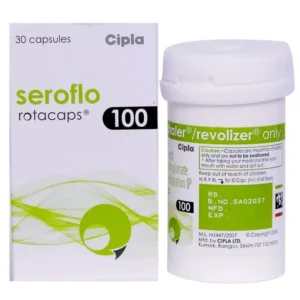
Seroflo Rotacaps 100 Mcg (Salmeterol & Fluticasone)
Active Ingredient Salmeterol/Fluticasone Manufacturer Cipla Limited Packaging 30 Rotacaps in 1 bottle Strength 100 Mcg, 250 Mcg, 500 Mcg Delivery Time 6 To 15 days SKU: Seroflo Rotacaps 100 Mcg (Salmeterol/Fluticasone) Price range: $9.50 through $29.80Seroflo Rotacaps 100 Mcg (Salmeterol & Fluticasone)
Price range: $9.50 through $29.80 -
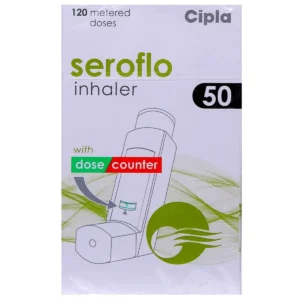
Seroflo Inhaler 50 Mcg (Salmeterol & Fluticasone)
Active Ingredient Salmeterol/Fluticasone Manufacturer Cipla Limited Packaging 120 MDI in 1 Inhaler Strength 50 Mcg, 125 Mcg, 250 Mcg Delivery Time 6 To 15 days SKU: Seroflo Inhaler 50 Mcg (Salmeterol/Fluticasone) Price range: $11.00 through $47.00Seroflo Inhaler 50 Mcg (Salmeterol & Fluticasone)
Price range: $11.00 through $47.00