
Psoriasis Medicines:-
Understanding Psoriasis Treatment:-
Psoriasis is a chronic skin condition characterized by the rapid buildup of skin cells, resulting in scaling, inflammation, and discomfort. This immune-mediated condition causes skin cells to multiply much faster than normal, leading to thick, red patches covered with silvery scales that can appear anywhere on the body. While psoriasis cannot currently be cured, various medications help manage symptoms, reduce flare-ups, and improve quality of life for those living with the condition.
Types of Medications Available:-
The psoriasis category includes diverse medication types, each designed to address different aspects and severities of the condition:
Topical Treatments: These are applied directly to affected skin areas and represent the first-line approach for many people. This category includes corticosteroid creams and ointments of varying strengths, vitamin D analogs, retinoids, and moisturizing agents that help reduce inflammation, slow skin cell production, and remove scales.
Systemic Oral Medications: For moderate to severe psoriasis or when topical treatments prove insufficient, oral medications work throughout the body to suppress immune system activity or slow skin cell growth. These include traditional immunosuppressants and newer targeted oral therapies.
Biologic Medications: These injectable treatments represent advanced therapeutic options that target specific parts of the immune system involved in psoriasis development. Biologics are typically prescribed for moderate to severe cases and work by blocking particular proteins that trigger inflammation.
Phototherapy Adjunct Products: Some medications enhance the effectiveness of light therapy treatments or protect skin during phototherapy sessions.
Symptom Management Products: Various medications help address specific symptoms such as itching, pain, or secondary infections that may develop in affected areas.
General Usage Considerations:-
Psoriasis medications vary significantly in their application methods, treatment duration, and intensity of medical supervision required:
– Topical treatments are often used daily or as directed, sometimes requiring specific application techniques for optimal results
– Systemic medications typically require regular blood monitoring to assess effectiveness and watch for potential complications
– Treatment plans often involve combination approaches, using multiple medication types simultaneously
– Many psoriasis treatments require consistent, long-term use to maintain improvement
– Response to treatment varies individually, and finding the most effective approach may involve trying different options
These medications should be used under appropriate medical guidance. Healthcare providers consider factors such as psoriasis severity and type, affected body areas, previous treatment responses, other health conditions, lifestyle factors, and personal preferences when recommending suitable options.
Safe Medicine Awareness:-
Prescription Requirements: While some mild topical treatments are available without prescription, many effective psoriasis medications require prescriptions and medical oversight. Always obtain medications from licensed, reputable pharmacies.
Proper Application and Dosing: Following instructions precisely is crucial for both safety and effectiveness. This includes applying topical treatments to the correct areas, taking oral medications at specified times, and not exceeding recommended amounts.
Monitoring and Follow-Up: Regular check-ins with healthcare providers help assess treatment progress and identify any concerns early. Some systemic medications require periodic laboratory testing to ensure safe continued use.
Skin Care Practices: Psoriasis medications work best when combined with appropriate skin care routines. Harsh products or improper application techniques can reduce effectiveness or irritate.
Realistic Expectations: Psoriasis treatments typically require several weeks to show noticeable improvement. Patience and consistency are important, as is understanding that complete clearance may not always be achievable.
Sun Sensitivity: Some psoriasis medications increase skin sensitivity to sunlight, requiring additional sun protection measures.
Making Informed Decisions:-
When exploring psoriasis management options, consider:
– Discussing all available treatment levels with dermatology professionals
– Understanding the time commitment and practical aspects of different treatments
– Being open about lifestyle factors that might affect treatment adherence
– Asking about potential side effects and how they’re managed
– Considering the impact of treatment routines on daily life and activities
– Exploring patient support resources and educational materials
– Connecting with others who have experience managing psoriasis
Treatment success often depends on finding approaches that fit individual circumstances and can be maintained consistently over time. Building a collaborative relationship with healthcare providers facilitates adjustments as needs change.
Frequently Asked Questions?
1. What’s the difference between topical and systemic psoriasis treatments?
Topical treatments are applied directly onto the skin and work locally at the site of application. They include creams, ointments, lotions, gels, and foams that help reduce inflammation, slow excessive skin cell production, and remove scales in specific affected areas. Systemic treatments, in contrast, work throughout the entire body after being taken orally or by injection. These are absorbed into the bloodstream and address psoriasis from within by modifying immune system activity or other internal processes. Topical treatments are generally tried first for mild to moderate psoriasis and have fewer systemic side effects. Systemic medications are typically reserved for moderate to severe cases, extensive body involvement, or when topical treatments haven’t provided adequate control.
2. How long does it typically take for psoriasis medications to show results?
Response time varies considerably depending on the medication type and individual factors. Topical corticosteroids may begin reducing redness and inflammation within a few days, though maximum benefit often takes two to four weeks. Vitamin D analogs and retinoids typically require four to eight weeks before noticeable improvement appears. Systemic oral medications generally need several weeks to a few months to demonstrate effectiveness. Biologic medications may show initial results within four to twelve weeks, with continued improvement over several months. It’s important to use treatments consistently as directed during this period, even before visible changes occur. Healthcare providers schedule follow-up appointments at appropriate intervals to assess progress and determine whether adjustments are needed.
3. Can I stop using psoriasis medication once my skin clears?
This decision should always be made in consultation with healthcare providers, as it depends on the specific medication and individual circumstances. Psoriasis is a chronic condition with a tendency to recur, and many treatments require maintenance therapy to keep symptoms under control. Stopping certain medications abruptly, particularly topical corticosteroids after prolonged use, can lead to rebound flares where symptoms return worse than before. Some treatment plans involve stepping down to less frequent applications or lower strengths rather than complete discontinuation. Other medications may be used on an as-needed basis during flare-ups. Healthcare providers help develop long-term management strategies that balance maintaining clear skin with minimizing medication use and potential side effects.
4. Are there interactions between psoriasis medications and other treatments I’m taking?
Yes, psoriasis medications can interact with other prescriptions, over-the-counter products, and supplements. Systemic psoriasis medications, particularly those affecting the immune system, may interact with other immunosuppressants, vaccines, or medications processed by the liver. Some topical treatments can affect how other skin products are absorbed. Biologic medications may increase infection risk when combined with other immunomodulating drugs. Certain oral psoriasis medications interact with antibiotics, antifungals, or common supplements like St. John’s Wort. Always inform all healthcare providers and pharmacists about every medication, supplement, and treatment you’re using, including those applied to the skin. This enables them to identify potential interactions and make appropriate recommendations to ensure both safety and effectiveness.
Disclaimer:-
This information is for educational purposes only and does not constitute medical advice. Always consult qualified healthcare professionals for diagnosis, treatment recommendations, and personalized medical guidance.
-
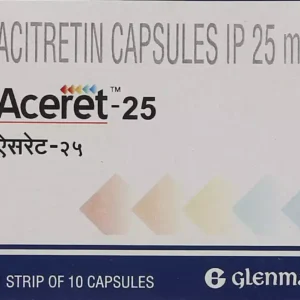
Aceret 25 Mg (Acitretin)
Active Ingredient Acitretin Manufacturer Glenmark Pharmaceuticals Ltd. Packaging 10 capsules in 1 strip Strength 25 Mg Delivery Time 6 to 15 days SKU: Aceret 25 Mg (Acitretin) Price range: $87.00 through $245.00Aceret 25 Mg (Acitretin)
Price range: $87.00 through $245.00 -
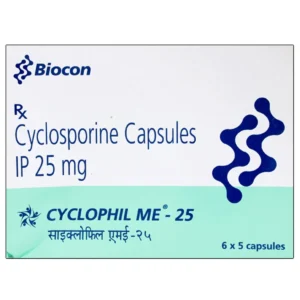
Cyclophil Me 25mg (Cyclosporine)
Active Ingredient Cyclosporine Manufacturer Biocon Limited Packaging 5 capsules in 1 strip, 6 capsules in 1 strip Strength 25mg, 50mg, 100mg Delivery Time 6 To 15 days SKU: Cyclophil Me 25mg (Cyclosporine) Price range: $21.00 through $200.00Cyclophil Me 25mg (Cyclosporine)
Price range: $21.00 through $200.00 -
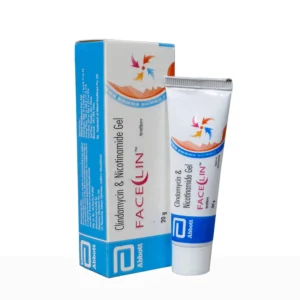
Faceclin Gel (Clindamycin & Nicotinamide)
Active Ingredient Clindamycin/Nicotinamide Manufacturer Abbott India Pvt. Ltd. Packaging 20 gm in 1 tube Strength 20g Delivery Time 6 To 15 days SKU: Faceclin Gel (Clindamycin/Nicotinamide) Price range: $6.00 through $32.00Faceclin Gel (Clindamycin & Nicotinamide)
Price range: $6.00 through $32.00 -
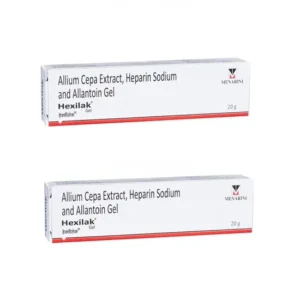
Hexilak Gel (Extractum Cepae, Heparin & Allantoin)
Active Ingredient Extractum cepae/Heparin/Allantoin Manufacturer Menarini India Pvt Ltd Packaging 20 gm gel in 1 tube Strength 20g Delivery Time 6 to 15 days SKU: Hexilak Gel (Extractum Cepae/Heparin/Allantoin) Price range: $15.00 through $80.00Hexilak Gel (Extractum Cepae, Heparin & Allantoin)
Price range: $15.00 through $80.00 -
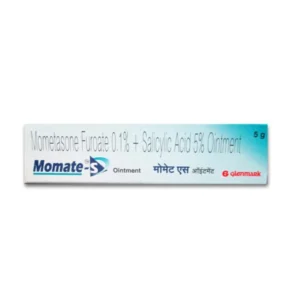
Momate S Ointment (Mometasone & Salicylic Acid)
Active Ingredient Mometasone/Salicylic Acid Manufacturer Glenmark Pharmaceuticals Ltd Packaging 20 gm in 1 tube Strength 20g Delivery Time 6 to 15 days SKU: Momate S Ointment (Mometasone/Salicylic Acid) Price range: $12.00 through $59.00Momate S Ointment (Mometasone & Salicylic Acid)
Price range: $12.00 through $59.00 -
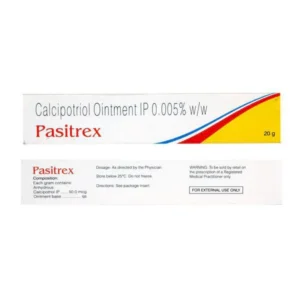
Pasitrex Ointment (Calcipotriol)
Active Ingredient Calcipotriol Manufacturer Sun Pharmaceutical Industries Ltd Packaging 20 gm in 1 tube Strength 0.005% Delivery Time 6 to 15 days SKU: Pasitrex Ointment (Calcipotriol) Price range: $12.00 through $59.00Pasitrex Ointment (Calcipotriol)
Price range: $12.00 through $59.00 -
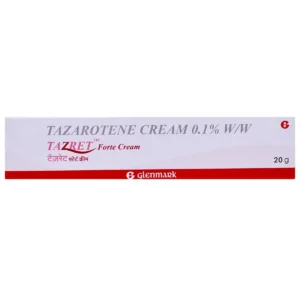
Tazret Forte Cream (Tazarotene)
Active Ingredient Tazarotene Manufacturer Glenmark Pharmaceuticals Ltd. Packaging 15gm in 1 tube Strength 0.1% Delivery Time 6 to 15 days SKU: Tazret Forte Cream (Tazarotene) Price range: $6.00 through $36.00Tazret Forte Cream (Tazarotene)
Price range: $6.00 through $36.00