Prostate Cancer Medicines:-
Understanding Prostate Cancer Treatment:-
Prostate cancer is a condition where abnormal cells develop in the prostate gland, a small walnut-shaped gland in men that produces seminal fluid. Treatment approaches vary widely depending on factors such as the cancer’s stage, growth rate, overall health status, and individual patient circumstances. Medical management of prostate cancer has evolved significantly, offering various pharmaceutical options that work through different mechanisms to control disease progression.
Types of Medications Available:-
The prostate cancer category encompasses several distinct classes of medications, each designed to address specific aspects of the disease:
Hormone Therapy Medications: These treatments work by reducing testosterone levels or blocking its effects, as prostate cancer cells often depend on male hormones to grow. This category includes medications that suppress hormone production or prevent hormones from reaching cancer cells.
Chemotherapy Agents: These systemic treatments target rapidly dividing cells throughout the body and may be used when cancer has spread beyond the prostate or when hormone therapy is no longer effective.
Targeted Therapy Medications: Newer pharmaceutical options that focus on specific molecular characteristics of cancer cells, potentially offering more precise treatment with different side effect profiles.
Bone-Strengthening Medications: Since prostate cancer frequently spreads to bones, certain medications help prevent bone complications and reduce fracture risk.
Supportive Care Medications: Various products help manage symptoms and side effects associated with both the disease and its treatments.
General Usage Considerations:-
Prostate cancer medications are prescription-only treatments that require ongoing medical supervision. Treatment plans are highly individualized and typically involve:
– Regular monitoring through blood tests, imaging studies, and clinical assessments
– Potential combination of multiple medication types
– Adjustment of treatment strategies based on disease response and tolerance
– Long-term commitment, as many treatments continue for extended periods
– Coordination with other treatment modalities, such as surgery or radiation
These medications are not intended for self-diagnosis or self-treatment. Healthcare providers consider numerous factors when selecting appropriate therapies, including cancer stage and grade, patient age, existing health conditions, potential drug interactions, and personal preferences regarding treatment goals and quality of life.
Safe Medicine Awareness:-
Prescription Requirement: All prostate cancer medications require valid prescriptions from qualified healthcare providers. They should only be obtained from licensed pharmacies and taken exactly as directed.
Monitoring Importance: Regular medical follow-up is essential to assess treatment effectiveness, monitor for side effects, and make necessary adjustments. Patients should never alter doses or discontinue treatment without medical guidance.
Potential Interactions: These medications may interact with other prescriptions, over-the-counter products, supplements, or certain foods. Always inform healthcare providers about all substances being taken.
Side Effect Management: While these treatments can be highly effective, they may cause various side effects. Open communication with healthcare teams enables proper management and maintains quality of life during treatment.
Authenticity Concerns: Only purchase medications from reputable, licensed sources. Counterfeit cancer medications pose serious health risks.
Making Informed Decisions:-
When exploring prostate cancer treatment options, consider:
– Engaging in thorough discussions with oncology specialists about all available options
– Understanding the goals of treatment (curative vs. palliative)
– Asking questions about expected outcomes, potential side effects, and treatment duration
– Considering participation in clinical trials when appropriate
– Seeking second opinions for complex treatment decisions
– Involving family members or caregivers in treatment planning discussions
Remember that treatment decisions should be made collaboratively with qualified healthcare professionals who understand your complete medical history and individual circumstances.
Frequently Asked Questions?
1. How do hormone therapy medications for prostate cancer work?
Hormone therapy medications, also called androgen deprivation therapy (ADT), work by lowering testosterone levels or blocking testosterone from stimulating prostate cancer cell growth. Some medications reduce testosterone production in the testicles, while others prevent testosterone from binding to receptors on cancer cells. These treatments exploit the fact that most prostate cancers depend on male hormones to grow. Healthcare providers may use these medications alone or in combination with other treatments, and they may be prescribed for varying durations depending on the cancer’s characteristics and treatment goals.
2. Can prostate cancer medications cure the disease?
The potential for cure depends on multiple factors, including cancer stage, grade, and how localized the disease remains. Some medications are used with curative intent, particularly in early-stage disease when combined with other treatments like surgery or radiation. Other medications are used to control cancer growth and manage symptoms when a cure is not possible, helping patients live longer with a better quality of life. Treatment goals vary by individual situation, and healthcare providers discuss realistic expectations based on specific disease characteristics and overall health status.
3. How long do people typically take prostate cancer medications?
Treatment duration varies considerably based on the type of medication, disease stage, treatment goals, and individual response. Some hormone therapy treatments may be prescribed for several months to a few years, while others might be continued long-term or indefinitely. Chemotherapy typically involves cycles over several months. Newer targeted therapies may be taken until the disease progresses or side effects become unmanageable. Healthcare providers regularly assess whether continuing, changing, or stopping treatment is most appropriate based on ongoing monitoring results.
4. Are there significant side effects associated with prostate cancer treatments?
Different medication classes produce different side effects. Hormone therapy commonly causes hot flashes, fatigue, reduced bone density, decreased libido, and metabolic changes. Chemotherapy may cause fatigue, nausea, hair loss, and increased infection risk. Targeted therapies have their own specific side effect profiles. Many side effects are manageable with supportive medications and lifestyle adjustments. The severity and type of side effects vary significantly among individuals. Healthcare teams work closely with patients to balance treatment benefits against quality of life impacts and can often adjust approaches to minimize problematic effects.
This information is for educational purposes only and does not constitute medical advice. Always consult qualified healthcare professionals for diagnosis, treatment recommendations, and personalized medical guidance.
-
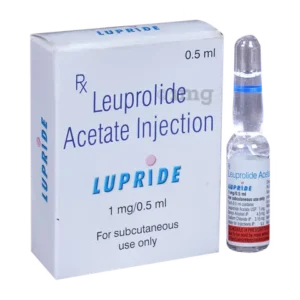
Lupride 1 Mg Injection (Leuprolide Acetate)
Active Ingredient Leuprolide Acetate Manufacturer Sun Pharmaceutical Industries Ltd Packaging 1 mg in 0.5ml Ampoule Strength 1 Mg Delivery Time 6 To 15 days SKU: Lupride 1 Mg Injection (Leuprolide Acetate) Price range: $35.00 through $99.00Lupride 1 Mg Injection (Leuprolide Acetate)
Price range: $35.00 through $99.00 -
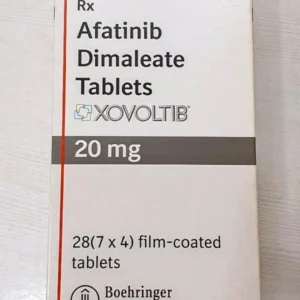
Xovoltib 20 Mg (Afatinib Dimaleate)
Active Ingredient Afatinib Dimaleate Manufacturer Boehringer Ingelheim India Pvt.Ltd Packaging 7 tablets in 1 strip Strength 20mg, 30mg, 40mg, 50mg Delivery Time 6 To 15 days SKU: Xovoltib 20mg (Afatinib Dimaleate) Price range: $840.00 through $2,826.00Xovoltib 20 Mg (Afatinib Dimaleate)
Price range: $840.00 through $2,826.00 -
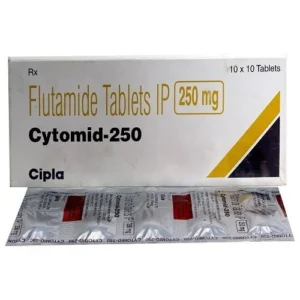
Cytomid (Flutamide) – 250 Mg
Active Ingredient Flutamide Manufacturer Cipla, India Packaging 10 tablets in 1 strip Strength 250mg Delivery Time 6 To 15 days SKU: cytomid (Flutamide) 250 mg Price range: $13.00 through $37.00Cytomid (Flutamide) – 250 Mg
Price range: $13.00 through $37.00