
Understanding Nail Infection Treatments:-
What Are Nail Infections?
Nail infections occur when fungi, bacteria, or yeast organisms invade the nail bed, nail plate, or surrounding skin. Fungal nail infections, medically known as onychomycosis, are the most common type and can affect fingernails or toenails, though toenails are more frequently involved. These infections cause nails to become discolored (often yellow, brown, or white), thickened, brittle, or distorted in shape.
Nail infections develop gradually and can persist for months or years without treatment. They’re more common in adults than in children and can affect anyone, though certain factors increase susceptibility. Warm, moist environments like sweaty shoes create ideal conditions for fungal growth. The condition isn’t usually painful in the early stages, but advanced infections can cause discomfort, especially when wearing shoes or walking.
While nail infections are primarily a cosmetic concern for many people, they can lead to complications if left unaddressed, particularly for those with diabetes or weakened immune systems.
Products Available in This Category:-
Nail infection treatments come in various formulations designed to address different types and severities of infections:
Topical antifungal solutions and lacquers are applied directly to affected nails. These liquid formulations penetrate the nail surface to reach the infection site. They’re typically used for mild to moderate infections or as part of combination therapy.
Antifungal creams and ointments are applied to the nail and surrounding skin. These work well when the infection involves the skin around the nail (paronychia) or for early-stage nail infections.
Oral antifungal medications are systemic treatments taken by mouth that work throughout the body. These prescription medications are generally reserved for more severe infections or when topical treatments haven’t been effective.
Combination products may include antifungal agents along with ingredients that help soften the nail, making it easier for active ingredients to penetrate.
Nail preparation products, such as files or solutions, help remove damaged nail material and improve the effectiveness of topical treatments.
Each product type has specific application methods, treatment durations, and suitability depending on the infection’s location, severity, and individual health factors.
How These Treatments Work?
Antifungal medications work by targeting specific components of fungal cells, either stopping their growth or killing them directly. Different antifungal classes attack fungi through various mechanisms—some interfere with the fungal cell wall, while others disrupt internal cell processes essential for survival.
Topical treatments must penetrate through the hard nail plate to reach the nail bed, where infections reside. This process takes time, and because nails grow slowly, visible improvement occurs gradually as the infected nail grows out and is replaced by a healthy nail. Fingernails typically grow faster than toenails, so fingernail infections often show improvement sooner.
Oral medications circulate through the bloodstream and accumulate in the nail bed as nails grow, providing sustained antifungal action over time. This systemic approach can be more effective for stubborn infections but requires medical supervision due to potential interactions and side effects.
Important Considerations:-
Diagnosis matters: Various conditions can mimic nail infections, including psoriasis, trauma, or other skin diseases. Professional diagnosis ensures you’re treating the actual problem and using appropriate medication.
Treatment takes time: Complete nail infection treatment typically requires several months. Toenail infections may need 12 months or longer for full resolution, as toenails grow slowly. Discontinuing treatment prematurely often leads to recurrence.
Consistency is crucial: Missing applications or doses reduces treatment effectiveness. Following the prescribed regimen exactly as directed gives the best chance of clearing the infection.
Not all products suit everyone: Some antifungal medications have contraindications or require monitoring, especially oral treatments. Factors like liver function, other medications, pregnancy, and overall health status influence product selection.
Recurrence is possible: Even after successful treatment, nail infections can return, particularly if conditions that led to the original infection persist. Preventive measures help reduce this risk.
Results vary: Individual response to treatment depends on infection severity, nail condition, immune system health, and other factors. Some infections prove difficult to eliminate.
Supporting Nail Health:-
While treating nail infections, certain practices support better outcomes and help prevent future infections:
– Keep nails clean and dry; moisture encourages fungal growth
– Trim nails straight across and file down thickened areas carefully
– Wear breathable footwear and moisture-wicking socks
– Avoid walking barefoot in public areas like pools, gyms, and locker rooms
– Don’t share nail clippers, files, or other personal care items
– Choose nail salons that follow proper sterilization procedures
– Address any foot conditions that cause excessive sweating
These measures complement medical treatment and reduce the likelihood of reinfection.
Choosing Appropriate Treatment:-
Selecting nail infection treatment involves considering several factors: the extent of nail involvement, which nails are affected, the thickness of nails, overall health status, and previous treatment attempts. Healthcare providers can assess these elements and recommend appropriate options.
For mild infections affecting only a portion of the nail, topical treatments may suffice. More extensive infections often require stronger interventions. Some situations benefit from combining topical and oral treatments for enhanced effectiveness.
Consulting with a healthcare provider or pharmacist helps ensure you choose safe, suitable products and understand proper usage, expected timelines, and warning signs that warrant medical attention.
Frequently Asked Questions?
Q: How long does it take for nail infection treatments to work?
A: Nail infection treatment is a lengthy process because you must wait for the infected nail to grow out and be replaced by a healthy nail. With topical treatments, noticeable improvement typically appears after 3-6 months for fingernails and 6-12 months for toenails. Oral medications may show results somewhat faster, but complete clearance still requires many months. Toenails grow especially slowly—only about 1-2 millimeters per month—so patience is essential. You might see a healthy nail emerging from the base while the tip still appears infected, which is normal progress.
Q: Can I use nail polish while treating a nail infection?
A: This depends on the treatment product you’re using. Regular cosmetic nail polish should generally be avoided during treatment with topical antifungals, as it can seal the nail and prevent medication from penetrating properly. Some medicated nail lacquers are designed to allow cosmetic polish on top, but you should check the specific product instructions. If your healthcare provider approves cosmetic polish use, remove it before each treatment application and allow the medication to dry completely. Porous, breathable polishes may be better options than traditional formulations. Always prioritize treatment effectiveness over appearance.
Q: Why do nail infections keep coming back even after treatment?
A: Recurrent nail infections happen for several reasons. Sometimes the infection wasn’t eliminated because treatment was stopped too early or wasn’t applied consistently. Reinfection from the environment is also common—fungi thrive in warm, moist places like shoes, gym floors, and showers. If underlying risk factors persist (such as poor circulation, immune system issues, diabetes, or wearing occlusive footwear), nails remain vulnerable. Some fungal spores can survive in shoes and reinfect treated nails. Preventive measures like keeping feet dry, wearing breathable shoes, using antifungal powder in footwear, and maintaining good nail hygiene help reduce recurrence risk.
Q: Are over-the-counter treatments effective, or do I need prescription medication?
A: Effectiveness depends on your infection’s severity and extent. Over-the-counter antifungal products can work for mild, early-stage infections affecting less than half the nail and limited to a few nails. They’re also useful for prevention and maintenance after prescription treatment. However, moderate to severe infections—those affecting multiple nails, involving more than 50% of the nail, or causing significant thickening—typically require prescription-strength topical or oral medications. Prescription treatments contain higher concentrations of active ingredients and may combine multiple approaches. A healthcare provider can evaluate your situation and recommend the most appropriate treatment strength.
Disclaimer:-
This content provides general educational information about nail infection treatments and is not medical advice. Nail infections require proper diagnosis and appropriate treatment selection based on individual circumstances. Always consult with a qualified healthcare provider, podiatrist, or dermatologist before starting any treatment, especially if you have diabetes, circulation problems, immune system conditions, or are pregnant or breastfeeding. Follow all product instructions carefully, and seek professional guidance if your condition worsens, spreads, or doesn’t improve with treatment.
-
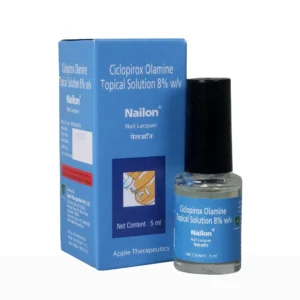
Nailon Nail Lacquer (Ciclopirox)
Active Ingredient Ciclopirox Manufacturer Apple Therapeutics Pvt Ltd Packaging 5 ml in 1 Bottle Strength 8% Delivery Time 6 To 15 days SKU: Nailon Nail Lacquer (Ciclopirox) Price range: $10.00 through $52.00Nailon Nail Lacquer (Ciclopirox)
Price range: $10.00 through $52.00