Understanding Multiple Myeloma Medications:-
What is Multiple Myeloma?
Multiple myeloma is a type of blood cancer that affects plasma cells, which are specialized white blood cells found in bone marrow. In a healthy person, plasma cells produce antibodies that help fight infections. In multiple myeloma, these cells become cancerous and multiply uncontrollably, crowding out healthy blood cells and producing abnormal proteins that can damage organs, particularly the kidneys and bones.
This condition is relatively uncommon compared to other cancers and typically affects older adults, though it can occur at any age. Multiple myeloma is considered a chronic condition that requires ongoing medical management. While it cannot currently be cured in most cases, modern treatments have significantly improved outcomes and quality of life for many people living with this disease.
Medications in This Category:-
Multiple myeloma treatments encompass a diverse range of medications that work through different mechanisms to control the disease. These therapies have evolved considerably over the past two decades, offering patients more options than ever before.
Immunomodulatory drugs work by modifying the immune system’s response and affecting how myeloma cells grow and survive. These medications also influence the bone marrow environment where myeloma cells develop.
Proteasome inhibitors block specific protein-breakdown systems within myeloma cells, leading to the accumulation of proteins that cause cell death. These are often central components of treatment regimens.
Monoclonal antibodies are engineered proteins designed to target specific markers on myeloma cells, helping the immune system recognize and destroy cancer cells more effectively.
Chemotherapy agents work through various mechanisms to stop cancer cells from dividing and growing, and have been used in myeloma treatment for decades.
Corticosteroids have multiple effects, including direct action against myeloma cells and reduction of inflammation. They are frequently combined with other therapies.
Targeted therapy drugs include newer agents that interfere with specific molecular pathways involved in myeloma cell survival and growth.
Supportive care medications address complications of the disease or side effects of treatment, including bone-strengthening agents, pain management medications, and infection prevention drugs.
How Treatment Approaches Work?
Multiple myeloma treatment typically involves combinations of different medication types rather than single drugs. Healthcare teams design individualized treatment plans based on factors such as disease characteristics, overall health status, previous treatments, and specific genetic features of the myeloma cells.
Treatment often occurs in phases. Initial therapy aims to reduce the amount of myeloma cells as much as possible. This may be followed by consolidation treatment to deepen the response, and then maintenance therapy to keep the disease under control for extended periods. The specific sequence and combination of medications varies considerably between individuals.
Some treatments are administered orally at home, while others require visits to infusion centers or healthcare facilities. Treatment schedules range from daily oral medications to weekly or monthly infusions, depending on the specific drugs used.
Important Treatment Considerations:-
Specialized medical oversight required: Multiple myeloma medications are potent therapies that require prescription and close monitoring by oncologists or hematologists experienced in treating this condition. Regular blood tests, imaging, and clinical assessments track treatment response and manage side effects.
Combination therapy is standard: Most treatment regimens combine two, three, or sometimes four different medications to maximize effectiveness. Understanding how to take multiple drugs correctly and managing their timing is an important part of treatment.
Side effects require management: These powerful medications can cause various side effects ranging from mild to serious. Healthcare teams work proactively to prevent, minimize, or treat side effects, and patients should report any new symptoms promptly.
Treatment duration varies: Some people take medications for defined periods, while others require ongoing therapy. The duration depends on how well the disease responds, tolerance of side effects, and individual treatment goals.
Response monitoring is essential: Regular testing determines whether treatment is working effectively. Adjustments to medication types, doses, or combinations may be needed based on these results.
Drug interactions matter: Multiple myeloma medications can interact with other prescription drugs, over-the-counter products, and even some supplements. Healthcare providers need to know about all substances a patient is taking.
Navigating Treatment Options:-
The landscape of multiple myeloma treatment has expanded significantly, which can feel overwhelming but also provides reasons for optimism. When exploring treatment options, several factors guide decision-making:
Healthcare providers consider whether this is a newly diagnosed disease or relapsed/recurrent myeloma, as different medications may be preferred in different situations. The specific characteristics of the myeloma cells, identified through specialized testing, help predict which treatments are most likely to work. A person’s overall health, other medical conditions, kidney and liver function, and previous treatments all influence medication selection.
Personal factors also matter, including lifestyle considerations, ability to travel for infusions, tolerance for certain side effects, and individual treatment goals and preferences. The most effective treatment is one that not only works against the disease but can also be taken as prescribed over the necessary time period.
Supporting Overall Wellness During Treatment:-
While medications form the backbone of multiple myeloma management, several practices support better outcomes and quality of life:
– Maintain open communication with your healthcare team about side effects, concerns, or changes in how you feel
– Follow medication schedules carefully and use tools like pill organizers or reminder apps if helpful
– Keep a list of all current medications and dosages to share at every healthcare visit
– Stay current with recommended vaccinations and infection prevention measures as advised by your healthcare team
– Attend all scheduled monitoring appointments even when feeling well
– Arrange practical support for treatment days, especially when receiving infusions
– Connect with support resources, including counselors, social workers, or patient support groups
Frequently Asked Questions?
Q: Why are multiple myeloma medications usually given in combinations rather than as single drugs?
A: Multiple myeloma cells can resist treatment through various mechanisms, and using medications that work in different ways simultaneously makes it harder for the disease to develop resistance. Combination therapy also tends to be more effective at reducing myeloma cells than single drugs alone. Different medications attack the cancer cells through distinct pathways—some might block specific proteins, others might enhance immune response, and others might interfere with cell division. By using complementary mechanisms together, combinations often achieve better control of the disease while sometimes allowing lower doses of individual drugs, which can help manage side effects.
Q: How do doctors decide which treatment regimen is right for a specific person?
A: Treatment selection involves evaluating multiple factors together. Physicians consider disease-specific characteristics, including genetic markers and chromosome abnormalities in the myeloma cells, which can be identified through specialized testing. They assess whether this isa newly diagnosed or relapsed disease, how aggressive the myeloma appears, and what the treatment goals are. Patient-specific factors are equally important: overall health and fitness level, other medical conditions, kidney and liver function, previous treatments and their results, potential side effects and quality of life considerations, and practical matters like ability to travel for infusions or manage complex medication schedules. Treatment decisions emerge from discussions between patients and their healthcare teams, balancing medical evidence with individual circumstances and preferences.
Q: Can multiple myeloma medications be taken during pregnancy or while breastfeeding?
A: Most multiple myeloma medications pose significant risks during pregnancy and breastfeeding. Many of these drugs can cause serious birth defects or harm to a developing fetus, and some can pass into breast milk. Women of childbearing potential typically need to use effective contraception during treatment and for specified periods afterward. Some medications require participation in special risk management programs to prevent pregnancy during therapy. Men taking certain myeloma medications may also need to take precautions, as some drugs can affect sperm and potentially harm a developing fetus. Anyone of reproductive age should have detailed conversations with their healthcare team about pregnancy prevention and family planning before starting treatment.
Q: What happens if multiple myeloma stops responding to current treatment?
A: When myeloma becomes resistant to a particular treatment regimen—a situation called relapsed or refractory disease—other medication options are available. The field has numerous drugs approved specifically for relapsed disease, including several newer agents. Healthcare teams typically switch to different combinations that use alternative mechanisms to attack the myeloma cells. The choice of next treatment considers which medications were used previously, how well they worked and for how long, what side effects occurred, and which newer options might be effective based on the myeloma’s characteristics. Some people may also have opportunities to participate in clinical trials testing investigational therapies. While relapse can be concerning, many people respond well to subsequent treatment lines and continue managing their disease effectively for years.
Important Notice:-
This content provides general educational information about multiple myeloma medications and is not intended as medical advice or treatment guidance. Multiple myeloma is a serious condition requiring specialized care from qualified oncologists or hematologists. Treatment decisions should be made in consultation with healthcare professionals who can evaluate individual circumstances, review test results, and provide personalized recommendations. Never start, stop, or modify multiple myeloma treatment without direct guidance from your treating physician. If you experience concerning symptoms or side effects, contact your healthcare team immediately or seek emergency medical attention as appropriate.
-
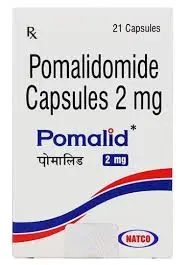
Pomalid 2 Mg (Pomalidomide)
Active Ingredient Pomalidomide Manufacturer Natco Pharma Ltd. Packaging 21 capsules in 1 strip Strength 2mg Delivery Time 6 To 15 days SKU: Pomalid 2 Mg (Pomalidomide) Price range: $248.00 through $985.00Pomalid 2 Mg (Pomalidomide)
Price range: $248.00 through $985.00