
Lung Cancer Medicines: Understanding Your Treatment Options:-
What Is This Category About?
Lung cancer is a serious condition where abnormal cells grow uncontrollably in the lungs. This category contains medications specifically developed to treat different types and stages of lung cancer. These medicines work through various mechanisms to slow cancer growth, shrink tumors, or help manage symptoms and side effects associated with the disease.
The medications in this category are prescription-only and must be used under strict medical supervision. They represent specialized treatments that require careful monitoring by healthcare professionals experienced in cancer care.
Types of Medicines in This Category:-
Targeted Therapy Drugs-
These medications identify and attack specific abnormalities within cancer cells. They work by blocking particular proteins or genetic mutations that help cancer cells grow and survive. Different targeted therapies are designed for specific types of lung cancer based on genetic testing results.
Chemotherapy Agents-
Traditional chemotherapy medicines work by destroying rapidly dividing cells throughout the body. These medications may be used alone or in combination with other treatments. They’re administered in cycles to allow the body time to recover between treatments.
Immunotherapy Medications-
These treatments help the body’s own immune system recognize and fight cancer cells more effectively. They work by removing barriers that prevent the immune system from attacking cancer cells or by boosting the immune response.
Combination Therapies-
Some products contain two or more active ingredients designed to work together, offering a comprehensive approach to treatment within a single medication regimen.
Understanding Product Information:-
When exploring medicines in this category, you’ll find important details including:
– Active ingredients and drug class – what the medicine contains and how it works
– Approved indications – which types and stages of lung cancer the medicine treats
– Dosage forms – tablets, capsules, injections, or infusions
– Strength options – different concentrations available
– Administration requirements – how and when the medicine should be taken
Each medication has unique characteristics, potential side effects, and specific usage requirements that your healthcare provider will explain based on your individual situation.
Important Safety Considerations:-
Prescription Requirement: All lung cancer medicines require a valid prescription from a qualified healthcare provider. These are not over-the-counter products and should never be used without medical supervision.
Medical Monitoring: Treatment with these medications requires regular medical appointments, laboratory tests, and imaging studies to monitor effectiveness and identify any complications early.
Drug Interactions: Lung cancer medicines can interact with other medications, supplements, and even certain foods. Always inform your healthcare provider about everything you’re taking.
Side Effect Management: These powerful medications can cause significant side effects. Your healthcare team will provide guidance on managing them and determining when to seek immediate medical attention.
Proper Storage and Handling: Many of these medications require specific storage conditions. Always follow the storage instructions provided with your medicine.
How to Use This Category?
This section helps you:
– Compare similar medications within the same treatment class
– Understand different options your doctor might prescribe
– Find detailed product information before discussing with your healthcare provider
– Access general educational content about lung cancer treatments
– Verify medication details if you’ve received a new prescription
Remember, this information is educational and cannot replace personalized medical advice from your oncologist or healthcare team.
Working With Your Healthcare Provider:-
Lung cancer treatment is highly individualized. Your doctor considers many factors when prescribing medication, including:
– The specific type of lung cancer (non-small cell, small cell, etc.)
– The stage and location of the disease
– Genetic markers and test results
– Your overall health and medical history
– Previous treatments and their effectiveness
– Your preferences and quality of life considerations
Always discuss any questions, concerns, or side effects with your healthcare team. They’re your partners in navigating treatment options and making informed decisions.
Frequently Asked Questions?
1. Why are there so many different lung cancer medications available?
Lung cancer is not a single disease but rather a group of conditions with different characteristics. Different types of lung cancer have unique genetic profiles and biological behaviors, which means they respond to different treatments. Some medications target specific genetic mutations found only in certain lung cancers, while others work through broader mechanisms. Having multiple options allows doctors to personalize treatment based on your specific type of cancer, its stage, your overall health, and how your cancer responds to treatment. Additionally, if one medication stops working or causes intolerable side effects, having alternatives available provides other treatment pathways.
2. How long does treatment with lung cancer medicines typically last?
The duration of treatment varies significantly depending on the type of medication, the stage of cancer, and how well the treatment is working. Some people take targeted therapy or immunotherapy medications for months or even years as long as they continue to be effective and side effects remain manageable. Chemotherapy is typically given in cycles with breaks in between, and the total number of cycles depends on your treatment plan and response. Your healthcare team will regularly assess whether treatment should continue, change, or stop based on imaging results, blood tests, and your overall condition. Treatment duration is always individualized to your situation.
3. Can I take lung cancer medication with my other prescriptions and supplements?
Drug interactions are a significant concern with lung cancer medications. Many of these treatments can interact with common medications including blood thinners, heart medications, diabetes drugs, and even some over-the-counter supplements and herbal products. Some interactions can reduce the effectiveness of your cancer treatment, while others may increase side effects or affect your other medications. Before starting lung cancer treatment, provide your healthcare team with a complete list of everything you take, including prescription drugs, over-the-counter medications, vitamins, and supplements. Never start or stop any medication or supplement without consulting your healthcare provider first.
4. What should I do if I miss a dose of my lung cancer medication?
The answer depends on the specific medication you’re taking and how much time has passed since your scheduled dose. Some medications have strict timing requirements, while others offer more flexibility. Generally, if you remember soon after the missed dose, you may be instructed to take it right away. However, if it’s close to your next scheduled dose, you should typically skip the missed dose and resume your regular schedule—never double up to make up for a missed dose. The best approach is to contact your healthcare provider or pharmacist immediately when you realize you’ve missed a dose. They can provide specific guidance for your medication and situation.
Disclaimer:-
This content is for educational purposes only and does not constitute medical advice. Always consult qualified healthcare professionals for diagnosis, treatment decisions, and medical guidance specific to your condition. Never start, stop, or change medications without consulting your healthcare provider.
-
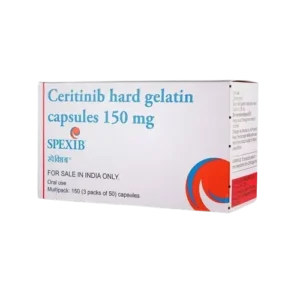
Spexib (Ceritinib) – 150 Mg
Active Ingredient Afatinib Dimaleate Manufacturer Boehringer Ingelheim India Pvt.Ltd Packaging 7 Capsule in 1 strip Strength 20mg Delivery Time 6 To 15 days SKU: Spexib (Ceritinib) – 150 Mg Price range: $125.00 through $315.00Spexib (Ceritinib) – 150 Mg
Price range: $125.00 through $315.00 -
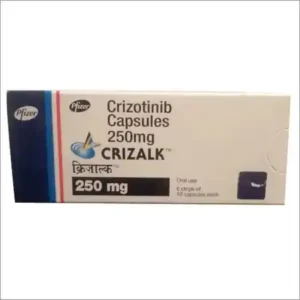
Crizalk (Crizotinib) – 250 Mg
Active Ingredient Afatinib Dimaleate Manufacturer Boehringer Ingelheim India Pvt.Ltd Packaging 7 tablets in 1 strip Strength 20mg Delivery Time 6 To 15 days SKU: Crizalk (Crizotinib) – 250 Mg Price range: $868.00 through $1,727.00Crizalk (Crizotinib) – 250 Mg
Price range: $868.00 through $1,727.00