Anti-Cancer Medications:-
Understanding Cancer Treatment Medications:-
Cancer treatment is a complex medical field that requires specialized medications prescribed and monitored by oncology specialists. This category encompasses prescription medications used in the treatment and management of various types of cancer, working in conjunction with other therapies as part of comprehensive cancer care plans.
These medications represent critical components of cancer treatment protocols and are available only through valid prescriptions from qualified healthcare providers. They must be used under strict medical supervision due to their potent effects and specific administration requirements.
What Products Are Available in This Category?
This category includes various types of cancer treatment medications prescribed for different cancer types and treatment protocols:
Chemotherapy Agents – Medications that work to destroy rapidly dividing cancer cells throughout the body
Targeted Therapy Drugs – Treatments designed to target specific molecules or pathways involved in cancer growth
Hormonal Therapy Medications – Drugs that block or interfere with hormones that fuel certain types of cancer
Immunotherapy Agents – Medications that help the immune system recognize and attack cancer cells
Kinase Inhibitors – Targeted drugs that block specific enzymes involved in cancer cell growth
Monoclonal Antibodies – Laboratory-created antibodies that target specific cancer cell markers
Supportive Care Medications – Drugs used to manage treatment side effects and improve quality of life during cancer therapy
Oral Cancer Medications – Tablets or capsules taken by mouth as part of cancer treatment regimens
Biosimilar Medications – Approved alternatives to certain biologic cancer treatments
How Do Anti-Cancer Medications Work?
Cancer medications employ various mechanisms to combat cancer cells, depending on their classification:
Disrupting Cell Division – Many chemotherapy drugs interfere with the ability of cancer cells to grow and divide, targeting rapidly multiplying cells.
Blocking Growth Signals – Targeted therapies interrupt specific molecular pathways that cancer cells use to grow and spread.
Cutting Off Blood Supply – Some medications work by preventing tumors from forming new blood vessels needed for growth.
Hormone Blocking – Hormonal therapies prevent cancer cells from accessing hormones they need to grow, particularly in breast and prostate cancers.
Immune System Activation – Immunotherapy drugs help the body’s immune system identify and destroy cancer cells more effectively.
Protein Targeting – Certain medications target specific proteins that are overexpressed or mutated in cancer cells.
Inducing Cell Death – Some treatments trigger programmed cell death (apoptosis) specifically in cancer cells.
Cancer medications are typically used in specific combinations and sequences as determined by oncologists based on cancer type, stage, genetic markers, and individual patient factors. Treatment protocols are highly personalized and require ongoing medical supervision.
Safe Usage and Critical Considerations:-
Strict Prescription Requirement – All anti-cancer medications require valid prescriptions from qualified oncologists or cancer specialists. These are never available for self-medication.
Specialized Medical Supervision – Cancer treatment must be managed by healthcare teams experienced in oncology. Regular monitoring, blood tests, and imaging are essential.
Precise Dosing Critical – Cancer medications require exact dosing based on body surface area, weight, organ function, and specific protocols. Never adjust doses without medical direction.
Serious Side Effects Possible – Anti-cancer medications can cause significant side effects, including nausea, fatigue, immune suppression, hair loss, and organ toxicity. Your medical team will monitor and manage these effects.
Infection Risk – Many cancer treatments suppress the immune system, increasing vulnerability to infections. Report fever, unusual symptoms, or signs of infection immediately.
Drug Interactions – Cancer medications can interact with many other drugs, supplements, and even some foods. Always inform your healthcare team of everything you’re taking.
Handling and Disposal – Many cancer drugs are hazardous materials requiring special handling precautions. Follow all safety instructions provided by your healthcare team and pharmacist.
Pregnancy and Fertility – Most cancer medications can harm unborn babies and affect fertility. Discuss contraception and family planning with your oncologist before starting treatment.
Storage Requirements – Many cancer medications have specific storage needs, including refrigeration. Follow storage instructions precisely to maintain medication effectiveness.
Buying Guidance for Patients:-
Verify Prescription Authenticity – Ensure your prescription is current, valid, and from a licensed oncologist or authorized prescriber.
Use Specialized Pharmacies – Many cancer medications are only available through specialty pharmacies equipped to handle these complex medications safely.
Confirm Insurance Coverage – Cancer medications can be extremely expensive. Verify insurance coverage and explore patient assistance programs before purchase.
Check Medication Details – Verify the medication name, strength, quantity, and administration instructions match your prescription exactly.
Understand Administration Requirements – Some cancer drugs require special preparation, specific timing, or professional administration. Clarify all requirements with your pharmacist.
Coordinate with Your Care Team – Ensure your oncology team, primary care doctor, and pharmacist all have complete information about your treatment plan.
Explore Financial Assistance – Many pharmaceutical manufacturers offer patient assistance programs. Ask your healthcare team or pharmacist about available resources.
Plan for Refills – Some cancer treatments require continuous therapy. Plan refills in advance to avoid treatment interruptions.
Transport Safely – Some medications require temperature control during transport. Use appropriate containers and minimize travel time.
Document Everything – Keep detailed records of medications, doses, schedules, and any side effects to share with your healthcare team.
Frequently Asked Questions?
Do all cancer medications require hospitalization or clinic visits?
Not all cancer treatments require hospitalization. While some chemotherapy and immunotherapy drugs are administered intravenously at clinics or hospitals, many newer targeted therapies and hormonal treatments come in oral forms that can be taken at home. However, even oral cancer medications require regular monitoring appointments with your oncology team to assess effectiveness, manage side effects, and adjust treatment as needed.
How do I know if a cancer medication is working?
Effectiveness is assessed through multiple methods, including blood tests, imaging scans (CT, MRI, PET), physical examinations, and monitoring of tumor markers. Your oncologist will schedule regular assessments based on your specific treatment protocol. It’s important to note that side effects don’t necessarily indicate whether treatment is working—effectiveness must be evaluated through medical testing.
Can I purchase cancer medications from international or online sources?
Cancer medications should only be purchased from licensed, verified pharmacies, preferably those recommended by your oncology team. International or unverified online sources may sell counterfeit, expired, contaminated, or improperly stored medications that could be ineffective or dangerous. The risks of sourcing cancer medications outside legitimate channels are significant and potentially life-threatening.
What should I do if I miss a dose of my cancer medication?
Never double up on doses or make decisions about missed doses on your own. Contact your oncology team immediately for guidance. The appropriate action depends on the specific medication, how much time has passed, and your treatment protocol. Your medical team will provide specific instructions for your situation.
Important Medical Notice:-
Cancer treatment requires specialized medical expertise and ongoing professional supervision. This content is for informational purposes only and does not constitute medical advice, diagnosis, or treatment recommendations. Always consult with qualified oncology specialists for all cancer-related medical decisions. Cancer medications are powerful treatments with significant risks and benefits that must be carefully weighed by medical professionals based on individual circumstances.
Emergency Information: If you experience severe symptoms such as high fever, severe bleeding, chest pain, difficulty breathing, severe allergic reactions, or other medical emergencies while undergoing cancer treatment, seek immediate emergency medical care or call emergency services.
-
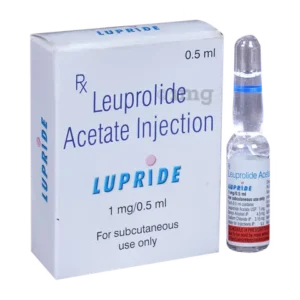
Lupride 1 Mg Injection (Leuprolide Acetate)
Active Ingredient Leuprolide Acetate Manufacturer Sun Pharmaceutical Industries Ltd Packaging 1 mg in 0.5ml Ampoule Strength 1 Mg Delivery Time 6 To 15 days SKU: Lupride 1 Mg Injection (Leuprolide Acetate) Price range: $35.00 through $99.00Lupride 1 Mg Injection (Leuprolide Acetate)
Price range: $35.00 through $99.00 -
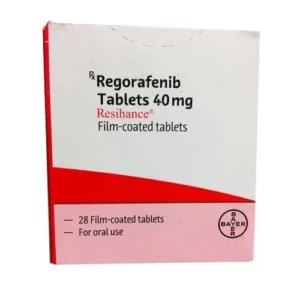
Resihance (Regorafenib) – 40 Mg
Active Ingredient Regorafenib Manufacturer Bayer Zydus Pharma Packaging 28 tablets in 1 strip Strength 40mg Delivery Time 6 To 15 days SKU: Resihance (Regorafenib) – 40 Mg Price range: $700.00 through $1,932.00Resihance (Regorafenib) – 40 Mg
Price range: $700.00 through $1,932.00 -
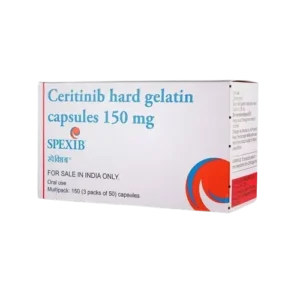
Spexib (Ceritinib) – 150 Mg
Active Ingredient Afatinib Dimaleate Manufacturer Boehringer Ingelheim India Pvt.Ltd Packaging 7 Capsule in 1 strip Strength 20mg Delivery Time 6 To 15 days SKU: Spexib (Ceritinib) – 150 Mg Price range: $125.00 through $315.00Spexib (Ceritinib) – 150 Mg
Price range: $125.00 through $315.00 -
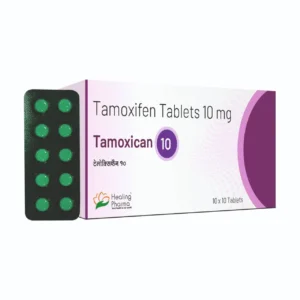
Tamoxifen 10 Mg (Tamoxifen)
Active Ingredient Tamoxifen Manufacturer Celon Laboratories Ltd Packaging 10 Tablets in Strip Strength 10mg Delivery Time 6 To 15 days SKU: Tamoxifen 10 Mg (Tamoxifen) Price range: $24.50 through $57.00Tamoxifen 10 Mg (Tamoxifen)
Price range: $24.50 through $57.00 -
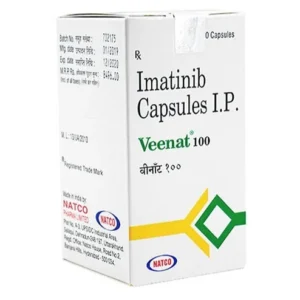
Veenat 100 Mg (Imatinib)
Active Ingredient Imatinib Manufacturer Natco Pharma Ltd. Packaging 10 Tablets in Strip & 120 Tablets in Bottle Strength 100mg Delivery Time 6 To 15 days SKU: Veenat 100 Mg (Imatinib) Price range: $85.00 through $240.00Veenat 100 Mg (Imatinib)
Price range: $85.00 through $240.00 -
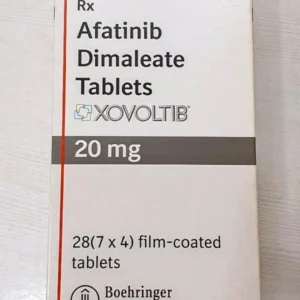
Xovoltib 20 Mg (Afatinib Dimaleate)
Active Ingredient Afatinib Dimaleate Manufacturer Boehringer Ingelheim India Pvt.Ltd Packaging 7 tablets in 1 strip Strength 20mg, 30mg, 40mg, 50mg Delivery Time 6 To 15 days SKU: Xovoltib 20mg (Afatinib Dimaleate) Price range: $840.00 through $2,826.00Xovoltib 20 Mg (Afatinib Dimaleate)
Price range: $840.00 through $2,826.00 -
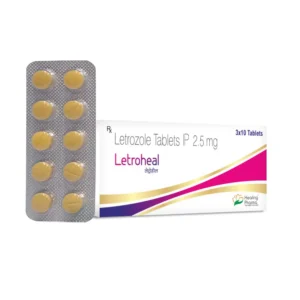
Letrozole 2.5 Mg
Active Ingredient Letrozole Manufacturer Corona Remedies Private Limited Packaging 10 tablets in 1 strip Strength 2.5mg Delivery Time 6 To 15 days SKU: Letrozole (Letrozole) – 2.5 Mg Price range: $85.50 through $225.00Letrozole 2.5 Mg
Price range: $85.50 through $225.00 -
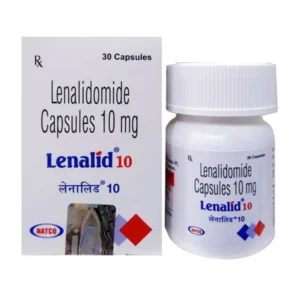
Lenalid Capsules
Active Ingredient Imatinib Manufacturer Natco Pharma Ltd. Packaging 10 Tablets in Strips & 120 Tablets in Bottle Strength 5 Mg, 10 Mg, 15 Mg, 25 Mg Delivery Time 6 To 15 days SKU: Lenalid 5 Mg (Lenalidomide) Price range: $94.00 through $750.00Lenalid Capsules
Price range: $94.00 through $750.00 -
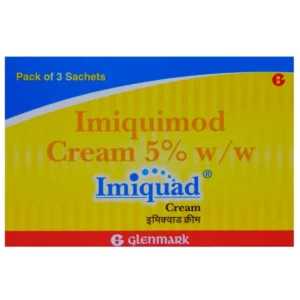
Imiquimod Cream 5% (Imiquad Cream) 12.5 Mg Sachet
Active Ingredient Imiquimod Manufacturer Glenmark Pharmaceuticals Ltd. Packaging 0.25 gm in 1 sachet Strength 12.5mg Delivery Time 6 To 15 days SKU: Imiquad Sachet (Imiquimod) – 12.5 Mg Price range: $75.00 through $216.00Imiquimod Cream 5% (Imiquad Cream) 12.5 Mg Sachet
Price range: $75.00 through $216.00 -
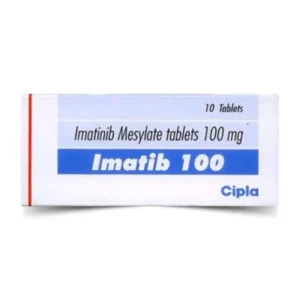
Imatib 100 Mg (Imatinib)
Active Ingredient Imatinib Manufacturer Cipla Limited Packaging 10 tablets in 1 strip Strength 100mg, 400mg Delivery Time 6 To 15 days SKU: Imatib 100 Mg Price range: $123.00 through $1,050.00Imatib 100 Mg (Imatinib)
Price range: $123.00 through $1,050.00 -
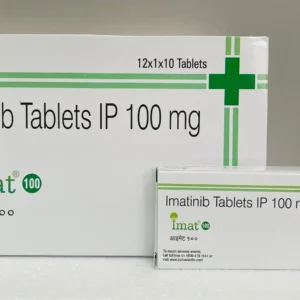
Imat 100 Mg
Active Ingredient Imatinib Manufacturer Zydus Cadila Pharma Packaging 10 tablets in 1 strip Strength 100mg, 400mg Delivery Time 6 To 15 days SKU: Imat 100 Mg Price range: $58.50 through $375.00Imat 100 Mg
Price range: $58.50 through $375.00 -
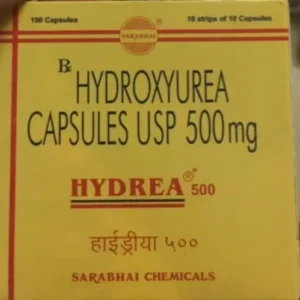
Hydrea (Hydroxyurea) – 500 Mg
Active Ingredient Hydroxyurea Manufacturer Bristol Myers Squibb Packaging 10 Capsules in 1 strip Strength 500mg Delivery Time 6 To 15 days SKU: Hydrea (Hydroxyurea) – 500 Mg Price range: $20.00 through $56.00Hydrea (Hydroxyurea) – 500 Mg
Price range: $20.00 through $56.00