
Hyperpigmentation Medications: Understanding Your Skincare Treatment Options:-
What Is Hyperpigmentation?
Hyperpigmentation refers to areas of skin that become darker than the surrounding skin. This darkening occurs when the skin produces excess melanin, the pigment responsible for skin color. Common types include age spots, sun spots, melasma, post-inflammatory hyperpigmentation (dark marks left after acne or injury), and freckles.
While hyperpigmentation is typically harmless from a medical standpoint, many people seek treatment for cosmetic reasons or because it affects their confidence. Various factors can contribute to hyperpigmentation, including sun exposure, hormonal changes, skin injuries, certain medications, and natural aging processes.
Understanding the products available to address hyperpigmentation can help you have informed discussions with your healthcare provider or dermatologist about options that may be appropriate for your skin concerns.
Medications in This Category:-
This category includes both prescription and over-the-counter products designed to address uneven skin tone and dark spots. The range of available treatments varies in strength, formulation, and mechanism of action.
Types of products you may find here include:
– Topical brightening agents: Creams, serums, and lotions containing active ingredients that help reduce melanin production or promote skin cell turnover
– Prescription-strength treatments: Medications requiring dermatologist oversight, typically containing higher concentrations of active ingredients
– Combination formulations: Products that blend multiple active ingredients to address pigmentation through complementary pathways
– Maintenance products: Lower-strength formulations designed for ongoing use after initial treatment
– Adjunctive treatments: Products that support the effectiveness of primary treatments or help minimize irritation
Some products require a prescription from a qualified healthcare provider, while others are available over the counter. The appropriate choice depends on the type and severity of hyperpigmentation, skin type, and individual response to treatment.
Understanding These Medications:-
How do they work?
Hyperpigmentation treatments work through various mechanisms. Some ingredients inhibit the enzyme tyrosinase, which plays a key role in melanin production. Others accelerate skin cell turnover, helping darker surface cells shed more quickly and revealing fresher skin beneath. Some products work by distributing melanin more evenly or reducing inflammation that can trigger excess pigmentation.
Common active ingredients include hydroquinone, tretinoin, azelaic acid, kojic acid, vitamin C derivatives, niacinamide, alpha hydroxy acids, and tranexamic acid. Each works differently, and dermatologists often recommend specific ingredients based on your skin type and pigmentation concerns.
General Benefits:-
When used consistently and as directed, these medications may help:
– Gradually reduce the appearance of dark spots and uneven skin tone
– Prevent new areas of hyperpigmentation from forming
– Create a more uniform complexion over time
– Address multiple skin concerns simultaneously when using combination products
– Provide options for various skin types and sensitivities
Results typically develop gradually over weeks to months of consistent use. Patience and adherence to the recommended routine are essential for seeing improvement.
Important Limitations and Considerations-
These medications have specific limitations:
– Results vary significantly between individuals—what works well for one person may not work as effectively for another
– Improvement takes time, often requiring several weeks to months of consistent use before visible changes occur
– Complete removal of pigmentation may not be achievable; realistic expectations are important
– Some products can cause skin irritation, dryness, redness, or increased sun sensitivity
– Discontinuing use may lead to pigmentation returning, especially without proper sun protection
– Certain ingredients are not suitable during pregnancy or breastfeeding
You should never:
– Use products beyond their intended purpose or on areas not specified
– Combine multiple strong treatments without professional guidance
– Expect immediate or dramatic results
– Skip sun protection, which is essential for preventing pigmentation from worsening
Safety and Responsible Use:-
Before Starting Treatment-
Consider consulting a dermatologist, especially if you have extensive hyperpigmentation, sensitive skin, or underlying skin conditions. A professional can help identify the type of pigmentation you’re experiencing and recommend appropriate treatments. This is particularly important for prescription-strength products.
Inform your healthcare provider about any skin allergies, current skincare products you’re using, medications you take, and whether you’re pregnant, breastfeeding, or planning to become pregnant.
Patch Testing-
Before applying any new hyperpigmentation treatment to your face, perform a patch test. Apply a small amount to an inconspicuous area like behind your ear or on your inner arm. Wait 24 to 48 hours to check for adverse reactions such as redness, itching, burning, or swelling.
During Treatment-
Start slowly, especially with stronger formulations. Many dermatologists recommend beginning with application every other day or a few times per week, then gradually increasing frequency as your skin adjusts. Follow product instructions carefully regarding application amount and timing.
Monitor your skin’s response. Mild tingling or slight dryness may be normal initially, but significant irritation, severe redness, or pain indicates you should indicate the product and consult a healthcare professional.
Sun Protection Is Essential-
Hyperpigmentation treatments often make skin more sensitive to sunlight, and sun exposure can worsen pigmentation or reverse treatment progress. Daily broad-spectrum sunscreen with SPF 30 or higher is non-negotiable when using these products. Reapply throughout the day, wear protective clothing, and seek shade when possible.
Storage and Handling-
Many hyperpigmentation treatments are sensitive to light, air, or heat, which can reduce their effectiveness. Store products according to label instructions, typically in a cool, dry place away from direct sunlight. Keep containers tightly closed when not in use. Check expiration dates regularly, as expired products may be less effective or potentially irritating.
Browsing and Selecting Products:-
Understanding Product Strengths-
Over-the-counter products typically contain lower concentrations of active ingredients compared to prescription formulations. While gentler, they may take longer to show results. Prescription-strength products work more quickly but require medical supervision due to their potency and potential side effects.
What to Look For?
When browsing this category, consider:
– Your skin type: Products formulated for oily skin may differ from those designed for dry or sensitive skin
– Active ingredients: Research which ingredients are commonly recommended for your type of hyperpigmentation
– Product formulation: Creams, serums, gels, and lotions have different textures and absorption rates
– Usage requirements: Some products are used once daily, others twice daily, and some only at night
– Complementary products: Many treatments work best as part of a complete regimen, including cleansers, moisturizers, and sunscreen
Starting Your Selection Process-
If you’re new to hyperpigmentation treatments, consider starting with gentler, over-the-counter options. If you don’t see improvement after consistent use for the recommended timeframe, or if your pigmentation is significant, consult a dermatologist about prescription alternatives.
For prescription products, you’ll need a valid prescription from a licensed healthcare provider. These products are dispensed with specific instructions that should be followed carefully.
Questions to Ask Your Pharmacist or Dermatologist-
Don’t hesitate to seek professional guidance about:
– Which products are appropriate for your skin type and concerns
– How to incorporate new treatments into your existing skincare routine
– Potential interactions between different skincare products
– What side effects might be expected and when to be concerned
– How long to continue treatment before evaluating effectiveness
– Whether the product is safe during pregnancy or breastfeeding
Frequently Asked Questions About This Category?
Q: How long does it take to see results from hyperpigmentation treatments?
Most hyperpigmentation treatments require consistent use for at least 4 to 12 weeks before visible improvement becomes apparent. Some prescription treatments may show results sooner, while others take several months. Patience is essential, as skin cell turnover and melanin reduction are gradual processes. If you see no improvement after three months of consistent use, consult a dermatologist to reassess your treatment approach.
Q: Can I use multiple hyperpigmentation products at the same time?
This depends on the specific products and their active ingredients. Some combinations work synergistically and are intentionally designed to be used together. However, combining certain active ingredients without guidance can cause excessive irritation, compromise skin barrier function, or reduce effectiveness. Always consult a dermatologist or pharmacist before layering multiple treatment products, especially prescription-strength formulations.
Q: Will hyperpigmentation come back after I stop treatment?
Hyperpigmentation can return, particularly if the underlying cause persists. Sun exposure, hormonal fluctuations, and skin inflammation can trigger new pigmentation. Many people transition to maintenance regimens using lower-strength products and consistent sun protection after achieving their desired results. Your dermatologist can help develop a long-term strategy to minimize recurrence.
Q: Are these products safe for all skin tones?
Most hyperpigmentation treatments can be used across different skin tones, but some ingredients and strengths may be more appropriate for certain complexions. Darker skin tones are sometimes more prone to post-inflammatory hyperpigmentation from irritating products, so extra caution and professional guidance are valuable. Some ingredients, like hydroquinone, require particularly careful use on deeper skin tones. Consulting a dermatologist experienced with your skin type helps ensure safe and effective treatment selection.
Important Reminder:-
This information is educational and does not constitute medical advice. Hyperpigmentation can sometimes indicate underlying medical conditions, so consider consulting a dermatologist for proper evaluation, especially if pigmentation appears suddenly, changes rapidly, or is accompanied by other symptoms. Individual results vary, and what works for others may not be suitable for your specific situation.
We’re committed to helping you access quality skincare products while ensuring you have the information needed to make informed decisions and use treatments safely and effectively.
-
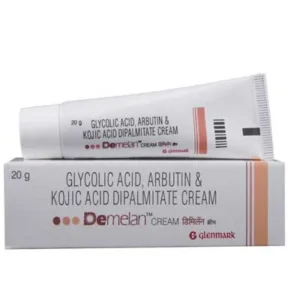
Demelan Cream (Glycolic Acid, Arbutin & Kojic Acid)
Active Ingredient Glycolic acid/Arbutin/Kojic acid Manufacturer Glenmark Pharmaceuticals Ltd. Packaging 20gm in 1 Tube Strength 20g Delivery Time 6 to 15 days SKU: Demelan Cream (Glycolic Acid/Arbutin/Kojic Acid) Price range: $15.00 through $60.00Demelan Cream (Glycolic Acid, Arbutin & Kojic Acid)
Price range: $15.00 through $60.00 -
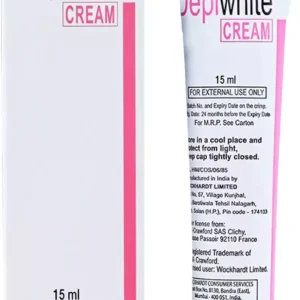
Depiwhite Cream (Hydroquinone & Combination)
Active Ingredient Hydroquinone & Combination Manufacturer Wockhardt Ltd Packaging 15 ml in cream Strength 15ml Delivery Time 6 To 15 days SKU: Depiwhite Cream (Hydroquinone & Combination) Price range: $12.00 through $63.00Depiwhite Cream (Hydroquinone & Combination)
Price range: $12.00 through $63.00 -
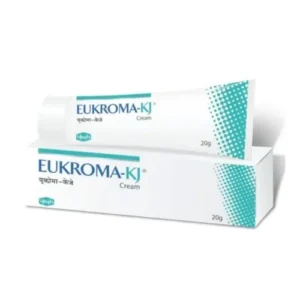
Eukroma KJ Cream 20gm (Hydroquinone & Kojic Acid)
Active Ingredient Hydroquinone Manufacturer Yash Pharma Laboratories Pvt Ltd Packaging 20g in tube Strength 20g Delivery Time 6 To 15 days SKU: Eukroma KJ Cream 20gm (Hydroquinone/Kojic Acid) Price range: $11.00 through $57.00Eukroma KJ Cream 20gm (Hydroquinone & Kojic Acid)
Price range: $11.00 through $57.00 -
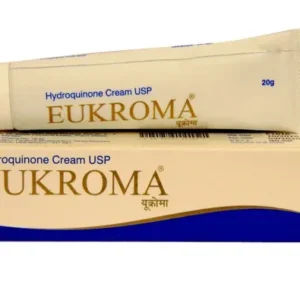
Eukroma Cream 20gm (Hydroquinone)
Active Ingredient Hydroquinone Manufacturer Yash Pharma Laboratories Pvt Ltd Packaging 20g in tube Strength 20g Delivery Time 6 To 15 days SKU: Eukroma Cream 20gm (Hydroquinone) Price range: $5.00 through $23.00Eukroma Cream 20gm (Hydroquinone)
Price range: $5.00 through $23.00 -
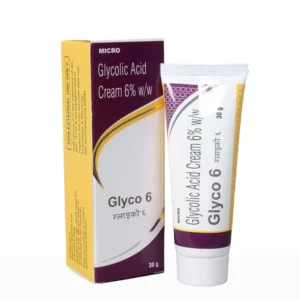
Glyco 6 Cream (Glycolic Acid)
Active Ingredient Glycolic Acid Manufacturer Micro Labs Limited Packaging 30gm in 1 tube Strength 6% Delivery Time 6 To 15 days SKU: Glyco 6 Cream (Glycolic Acid) Price range: $6.00 through $32.00Glyco 6 Cream (Glycolic Acid)
Price range: $6.00 through $32.00 -
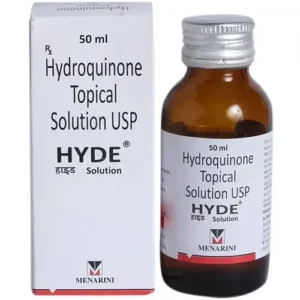
Hyde Solution 50 Ml (Hydroquinone)
Active Ingredient Hydroquinone Manufacturer Menarini India Pvt Ltd Packaging 50ml in bottle Strength 5% Delivery Time 6 To 15 days SKU: Hyde Solution 50 Ml (Hydroquinone) Price range: $14.00 through $76.00Hyde Solution 50 Ml (Hydroquinone)
Price range: $14.00 through $76.00 -
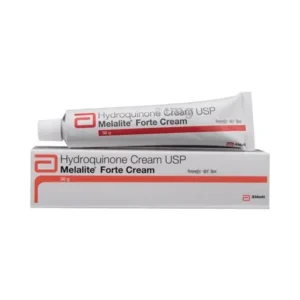
Melalite Forte Cream (Hydroquinone)
Active Ingredient Hydroquinone Manufacturer Abbott India Pvt Ltd Packaging 30gm in 1 tube Strength 4% Delivery Time 6 To 15 days SKU: Melalite Forte Cream (Hydroquinone) Price range: $5.00 through $27.00Melalite Forte Cream (Hydroquinone)
Price range: $5.00 through $27.00 -
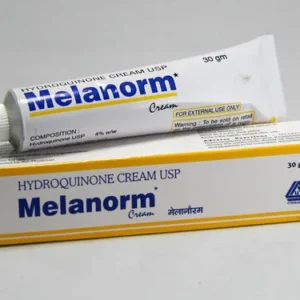
Melanorm Cream (Hydroquinone)
Active Ingredient Hydroquinone Manufacturer Unimarck Healthcare Packaging 15g Tube, 30g tube Strength 4% Delivery Time 6 To 15 days SKU: Melanorm Cream (Hydroquinone) Price range: $8.00 through $40.00Melanorm Cream (Hydroquinone)
Price range: $8.00 through $40.00