HIV/AIDS Medications: Understanding Your Treatment Options:-
What Are HIV/AIDS Medications?
HIV/AIDS medications are prescription treatments designed to manage Human Immunodeficiency Virus (HIV) infection. These medicines work by controlling the virus’s ability to multiply in your body, helping to maintain your immune system’s strength and prevent progression to Acquired Immunodeficiency Syndrome (AIDS).
Modern HIV medications, often called antiretroviral therapy (ART), have transformed HIV from a life-threatening condition into a manageable chronic illness when taken consistently as prescribed by healthcare providers.
Types of Products in This Category:-
This category includes several classes of medications that work in different ways:
Antiretroviral Medications target various stages of the HIV life cycle. Some prevent the virus from entering healthy cells, while others stop it from copying itself once inside. Your healthcare provider will prescribe specific medications based on your individual health needs, treatment history, and other factors.
Combination Therapies contain multiple antiretroviral drugs in a single pill, making daily treatment simpler and helping improve medication adherence.
Pre-Exposure Prophylaxis (PrEP) medications may be prescribed for people at higher risk of HIV infection as a preventive measure.
Post-Exposure Prophylaxis (PEP) consists of emergency medications taken after potential HIV exposure.
All medications in this category require a valid prescription from a licensed healthcare provider and are not available for purchase without proper medical authorization.
General Benefits of HIV/AIDS Medications:-
When taken as prescribed under medical supervision, these medications can:
– Help control viral replication and maintain lower viral loads
– Support immune system function by protecting CD4 cells
– Reduce the risk of HIV-related complications
– Enable people living with HIV to lead longer, healthier lives
– Decrease the likelihood of transmitting the virus to others when viral suppression is achieved
– Allow many individuals to work, pursue relationships, and engage in everyday activities
Consistent use and regular medical monitoring are essential for these medications to work effectively.
Important Limitations and Considerations:-
These medications are not cures. HIV/AIDS medications manage the infection but do not eliminate the virus from your body. Treatment requires lifelong commitment to daily medication schedules.
Medication adherence is critical. Missing doses can lead to drug resistance, making current treatments less effective and limiting future treatment options.
Side effects may occur. Like all medications, HIV/AIDS treatments can cause side effects ranging from mild to serious. Your healthcare provider will monitor your response and may adjust your treatment plan accordingly.
Drug interactions are possible. HIV medications can interact with other prescriptions, over-the-counter medicines, supplements, and even certain foods. Always inform all your healthcare providers about every medication you take.
Individual results vary. What works well for one person may not be the best choice for another. Treatment plans are personalized based on many factors, including viral strain, overall health, other medical conditions, and lifestyle considerations.
Ongoing medical supervision is required. Regular blood tests, clinical evaluations, and prescription refills through your healthcare provider are necessary components of HIV care.
Safety Awareness and Responsible Use:-
Prescription requirement: All HIV/AIDS medications require authorization from a qualified healthcare provider. Never share your medications with others or take medications prescribed for someone else.
Follow prescribed instructions exactly. Take medications at the times specified, with or without food as directed, and never adjust doses on your own.
Store medications properly. Some HIV medications require specific storage conditions. Check your medication labels and follow storage instructions carefully.
Monitor for side effects. Report any new symptoms, unusual reactions, or concerns to your healthcare provider promptly.
Maintain regular appointments. Consistent medical monitoring helps ensure your treatment remains effective and safe.
Inform all healthcare providers. Let every doctor, dentist, and healthcare professional know you’re taking HIV medications to prevent potentially dangerous interactions.
Never stop suddenly. Discontinuing HIV medications without medical guidance can lead to viral rebound and drug resistance. If you’re experiencing problems with your treatment, speak with your healthcare provider about alternatives.
How to Browse and Select Products?
Step 1: Understand your prescription. Review the medication name, strength, and quantity prescribed by your healthcare provider. Prescriptions should specify both brand names and generic names when applicable.
Step 2: Search by medication name. Use the exact name provided on your prescription. If you’re unsure about spelling or formulation, consult your prescription paperwork or contact your prescribing provider.
Step 3: Verify medication details. Confirm that the product strength (dosage) and form (tablet, capsule, liquid) match your prescription exactly.
Step 4: Check availability and pricing. Review whether the medication is in stock, expected delivery times, and insurance coverage options if applicable.
Step 5: Upload prescription documentation. Most online pharmacies require you to submit a valid prescription before dispensing medication. This may involve uploading a photo or having your prescriber send the prescription electronically.
Step 6: Review pharmacy credentials. Ensure the online pharmacy is licensed and verified to dispense prescription medications in your jurisdiction.
Need help?** Contact the pharmacy’s customer service if you have questions about product availability, prescription requirements, or the ordering process.
Common Questions About HIV/AIDS Medications?
1. Can I switch between brand-name and generic versions?
Generic HIV medications contain the same active ingredients as brand-name versions and are approved as therapeutically equivalent. However, you should only switch under your healthcare provider’s guidance. Some people may respond differently to different formulations, and your provider needs to monitor your viral load after any medication changes. Never make switches on your own without medical consultation.
2. What should I do if I miss a dose?
If you miss a dose, the appropriate action depends on your specific medication and how much time has passed. Generally, if you remember within a few hours, take the missed dose. If it’s almost time for your next dose, skip the missed dose and continue your regular schedule—never double up. Contact your healthcare provider or pharmacist for guidance specific to your medication, and discuss strategies to improve adherence.
3. How do I know if my medication is working?
HIV medication effectiveness is measured through regular blood tests that check your viral load (amount of virus in your blood) and CD4 count (immune cell levels). Your healthcare provider will typically schedule these tests every few months. You cannot tell if your medication is working based on how you feel. Maintaining undetectable viral loads requires consistent adherence to your prescribed treatment plan and regular medical monitoring.
4. Can I take other medications or supplements while on HIV treatment?
Some medications, supplements, and herbal products can interact with HIV medications, potentially making them less effective or causing harmful side effects. Common interactions involve acid reducers, certain antibiotics, supplements like St. John’s Wort, and some pain medications. Always maintain a complete list of everything you take—including vitamins and supplements—and review this list with your healthcare provider and pharmacist before starting anything new.
Medical Disclaimer:-
This information is for educational purposes only and does not constitute medical advice, diagnosis, or treatment recommendations. HIV/AIDS is a serious medical condition requiring professional healthcare management. Always consult qualified healthcare providers for personalized medical guidance, treatment decisions, and prescription medications. If you’re experiencing a medical emergency, contact emergency services immediately.
Prescription Requirement Notice: All HIV/AIDS medications require a valid prescription from a licensed healthcare provider. This pharmacy complies with all applicable laws and regulations regarding prescription medication dispensing and patient safety.
-
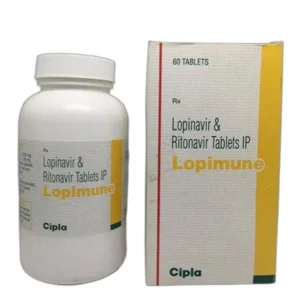
Lopimune (Lopinavir & Ritonavir)
Active Ingredient Lopinavir/Ritonavir Manufacturer Cipla Limited Packaging 60 Tablets in bottle Delivery Time 6 To 15 days SKU: Lopimune (Lopinavir/Ritonavir) – 200mg / 50 Mg Price range: $180.00 through $540.00Lopimune (Lopinavir & Ritonavir)
Price range: $180.00 through $540.00 -
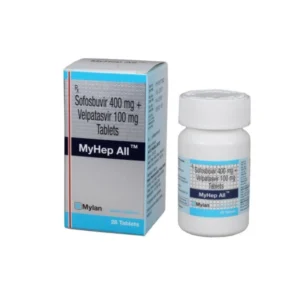
MyHep All (Sofosbuvir & Velpatasvir)
Active Ingredient Sofosbuvir/Velpatasvir Manufacturer Mylan Pharmaceuticals Packaging 28 tablets in 1 bottle Delivery Time 6 To 15 days SKU: MyHep All (Sofosbuvir/Velpatasvir) – 400mg/100 Mg Price range: $300.00 through $870.00MyHep All (Sofosbuvir & Velpatasvir)
Price range: $300.00 through $870.00 -
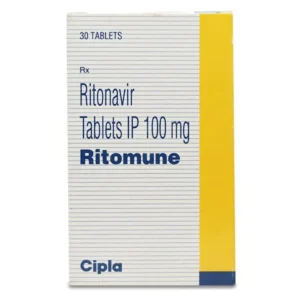
Ritomune (Ritonavir) – 100 Mg
Active Ingredient Ritonavir Manufacturer Cipla Limited Packaging 60 Tablets in 1 box Strength 100gm Delivery Time 6 To 15 days SKU: Ritomune (Ritonavir) – 100 Mg Price range: $90.00 through $240.00Ritomune (Ritonavir) – 100 Mg
Price range: $90.00 through $240.00 -
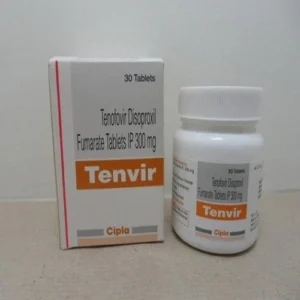
Tenvir (Tenofovir) – 300 Mg
Active Ingredient Tenofovir Manufacturer Cipla Limited Packaging 30 Tablets in bottle Strength 300mg Delivery Time 6 To 15 days SKU: Tenvir (Tenofovir) – 300 Mg Price range: $115.00 through $360.00Tenvir (Tenofovir) – 300 Mg
Price range: $115.00 through $360.00 -
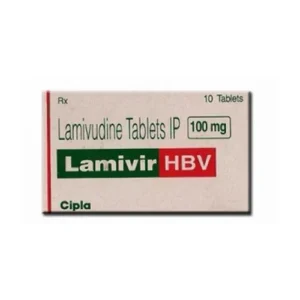
Lamivir 100 Mg (Lamivudine)
Active Ingredient Lamivudine Manufacturer Cipla Limited Packaging 10 tablets in 1 strip Strength 100mg, 150mg Delivery Time 6 To 15 days SKU: Lamivir HBV 100 Mg (Lamivudine) Price range: $45.00 through $130.00Lamivir 100 Mg (Lamivudine)
Price range: $45.00 through $130.00 -
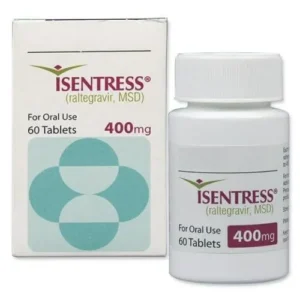
Isentress 400 Mg (Raltegravir)
Active Ingredient Raltegravir Manufacturer MSD Pharmaceuticals India Pvt. Ltd. Packaging 60 tablets in 1 bottle Strength 400mg Delivery Time 6 To 15 days SKU: Isentress 400 Mg (Raltegravir) Price range: $247.00 through $720.00Isentress 400 Mg (Raltegravir)
Price range: $247.00 through $720.00 -

HepBest (Tenofovir Alafenamide) – 25 Mg
Active Ingredient Lamivudine Manufacturer Cipla Limited Packaging 10 tablets in 1 strip Strength 100mg Delivery Time 6 To 15 days SKU: HepBest (Tenofovir Alafenamide) – 25 Mg Price range: $160.00 through $470.00HepBest (Tenofovir Alafenamide) – 25 Mg
Price range: $160.00 through $470.00 -

Entavir 0.5 Mg (Entecavir)
Active Ingredient Entecavir Manufacturer Cipla Limited Packaging 10 tablets in 1 strip Strength 1mg Delivery Time 6 To 15 days SKU: Entavir (Entecavir) – 0.5 Mg Price range: $115.00 through $630.00Entavir 0.5 Mg (Entecavir)
Price range: $115.00 through $630.00