
Understanding Herpes Medications:-
What Is This Category About?
This category contains medications and products related to the management of herpes virus infections. Herpes is a common viral condition caused by the herpes simplex virus (HSV), which includes two main types: HSV-1, often associated with cold sores around the mouth, and HSV-2, typically associated with genital herpes. These infections are chronic, meaning the virus remains in the body even between outbreaks.
The products in this section are designed to help manage symptoms, reduce the frequency of outbreaks, and support overall comfort during active episodes. While these medications cannot cure herpes, they play an important role in helping individuals manage the condition effectively.
What Types of Products Are Available?
This category typically includes:
Antiviral Medications: These are the primary treatment options for herpes infections. They work by slowing down the reproduction of the virus in your body, which can help reduce the severity and duration of outbreaks. Some people take these medications only during outbreaks, while others may take them daily to prevent recurrences.
Topical Treatments: Creams, ointments, or gels that can be applied directly to cold sores or affected areas. These products may help soothe discomfort and support the healing process.
Supportive Care Products: Items such as pain relievers, numbing agents, or protective barriers that help manage symptoms like pain, itching, or sensitivity during an outbreak.
Preventive Therapy Options: For individuals who experience frequent outbreaks, some medications are taken regularly to reduce the number of recurrences and the risk of transmission to partners.
General Benefits of These Products:-
Medications in this category offer several potential advantages when used as directed by a healthcare provider:
– Symptom Management: They can help reduce pain, itching, burning, and other uncomfortable symptoms during an outbreak
– Shorter Outbreak Duration: Early treatment may help lesions heal more quickly
– Reduced Frequency: Daily preventive therapy may decrease how often outbreaks occur
– Improved Quality of Life: Effective management can help individuals feel more in control of their condition
– Transmission Reduction: When used as part of a comprehensive approach, certain medications may help reduce the risk of passing the virus to others
It’s important to understand that these medications manage symptoms and viral activity but do not eliminate the virus from the body or provide a cure.
Important Limitations to Consider:-
While these products are valuable tools, they have certain limitations:
– Not a Cure: No medication can completely remove the herpes virus from your system once infected
– Effectiveness Varies: Response to treatment differs from person to person
– Timing Matters: Medications often work best when started at the first sign of an outbreak
– Prescription Required: Most effective antiviral medications require a healthcare provider’s prescription
– Side Effects Possible: Like all medications, these products can cause side effects in some individuals
– Not a Substitute for Prevention: Medications should be used alongside other protective measures as discussed with your healthcare provider
Safety and Responsible Use:-
Managing herpes requires a thoughtful, informed approach:
Consult a Healthcare Provider: Before starting any medication, speak with a doctor or qualified healthcare professional who can evaluate your specific situation, confirm the diagnosis, and recommend appropriate treatment.
Follow Prescribed Instructions: Take medications exactly as directed, including the correct dose, frequency, and duration. Don’t stop treatment early even if symptoms improve.
Be Aware of Interactions: Inform your healthcare provider about all other medications, supplements, and health conditions you have, as these may interact with herpes treatments.
Monitor Your Response: Keep track of how well the medication works for you and report any unusual symptoms or side effects to your healthcare provider.
Practice Comprehensive Care: Medication is just one part of managing herpes. Your healthcare provider may also discuss lifestyle factors, stress management, and ways to reduce transmission risk.
Store Properly: Keep medications in appropriate conditions as indicated on the packaging to maintain their effectiveness.
How to Browse and Select Products?
When exploring this category, consider the following approach:
Understand Your Needs: Are you looking to treat an active outbreak, prevent future outbreaks, or manage specific symptoms? This will help guide your selection.
Check Product Types: Look at whether products are oral medications, topical applications, or supportive care items. Each serves different purposes.
Review Prescription Requirements: Many effective antiviral medications require a prescription. If you don’t have one, consult with a healthcare provider before proceeding.
Read Product Information: Take time to review descriptions, active ingredients, and usage instructions for each product.
Compare Options: If multiple products seem suitable, compare their features, forms (tablet, cream, etc.), and typical usage patterns.
Verify Legitimacy: Ensure you’re purchasing from a licensed, reputable pharmacy that requires valid prescriptions for prescription medications.
Ask Questions: If you’re unsure about which product is right for you, reach out to a pharmacist or your healthcare provider for guidance.
Common Category-Level Questions?
1. Do I need a prescription for herpes medications?
Most effective antiviral medications used to treat herpes require a prescription from a licensed healthcare provider. This is because proper diagnosis and individualized treatment planning are essential for safe and effective management. Some over-the-counter topical products may be available for symptomatic relief of cold sores, but prescription antivirals are generally more effective for managing outbreaks and preventing recurrences. Always consult with a healthcare professional to determine the most appropriate treatment for your situation.
2. How do I know which type of product is right for me?
The best product depends on several factors, including the type of herpes infection you have, the frequency and severity of your outbreaks, your overall health, and your treatment goals. Some individuals benefit most from treatment during outbreaks only, while others with frequent recurrences may benefit from daily preventive therapy. A healthcare provider can evaluate your specific circumstances and recommend an appropriate treatment approach. Consider scheduling a consultation to discuss your symptoms and concerns.
3. Can these medications prevent me from getting herpes?
Medications in this category are designed for people who already have herpes infections, not for preventing initial infection. If you’re concerned about exposure or prevention, discuss this with a healthcare provider who can provide information about risk reduction strategies. For those already infected, certain medications taken regularly may help reduce the risk of transmission to partners when combined with other protective measures, but they do not eliminate this risk.
4. How quickly do these medications work?
The speed of response varies by medication type and individual factors. Antiviral medications typically work best when started at the very first signs of an outbreak, such as tingling or itching. When taken early, they may reduce the severity and duration of symptoms. For preventive therapy, it may take consistent daily use over time to see a reduction in outbreak frequency. Topical products may provide symptomatic relief relatively quickly but have less impact on the underlying viral activity. Your healthcare provider can give you specific guidance on what to expect from your prescribed treatment.
Important Reminder:-
This information is educational and not a substitute for professional medical advice, diagnosis, or treatment. Always consult qualified healthcare providers regarding any questions about medical conditions or medications. If you’re experiencing a medical emergency, seek immediate assistance from emergency services.
-
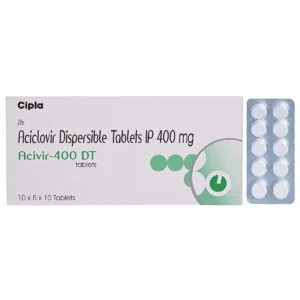
Aciclovir 400 Mg (Acyclovir)
Active Ingredient Acyclovir Manufacturer Healing Pharma, India Packaging 10 Tablets in Strip Strength 400mg Delivery Time 6 To 15 days SKU: Aciclovir 400 Mg (Acyclovir) Price range: $34.00 through $90.00Aciclovir 400 Mg (Acyclovir)
Price range: $34.00 through $90.00 -
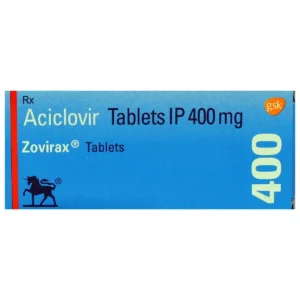
Zovirax 400 Mg (Acyclovir)
Active Ingredient Acyclovir Manufacturer GlaxoSmithKline Pharmaceuticals Ltd Packaging 5 tablets in 1 strip, 10 tablets in 1 strip Strength 200mg, 400mg, 800mg Delivery Time 6 To 15 days SKU: Zovirax 400mg (Acyclovir) Price range: $31.50 through $174.00Zovirax 400 Mg (Acyclovir)
Price range: $31.50 through $174.00 -
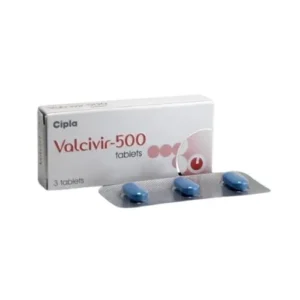
Valcivir 500 Mg
Active Ingredient Valacyclovir Manufacturer Cipla Limited Packaging 3 Tablets in Strip Strength 500mg, 1000mg Delivery Time 6 To 15 days SKU: Valcivir 500 Mg Price range: $105.00 through $450.00Valcivir 500 Mg
Price range: $105.00 through $450.00 -
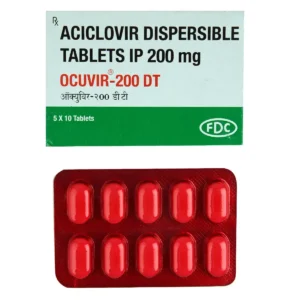
Ocuvir DT 200 Mg (Acyclovir)
Active Ingredient Acyclovir Manufacturer FDC Ltd Packaging 5 Tablets in Strip & 10 Tablets in Strip Strength 200mg, 400mg, 800mg Delivery Time 6 To 15 days SKU: Ocuvir DT 200 Mg (Acyclovir) Price range: $27.00 through $252.00Ocuvir DT 200 Mg (Acyclovir)
Price range: $27.00 through $252.00 -
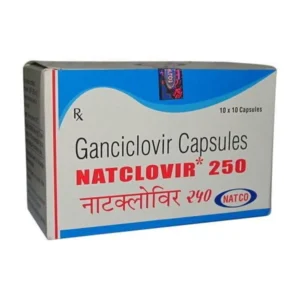
Natclovir 250 Mg (Ganciclovir)
Active Ingredient Ganciclovir Manufacturer Natco Pharma Ltd. Packaging 10 capsules in 1 strip Strength 250mg Delivery Time 6 To 15 days SKU: Natclovir 250 Mg (Ganciclovir) Price range: $148.50 through $427.50Natclovir 250 Mg (Ganciclovir)
Price range: $148.50 through $427.50 -
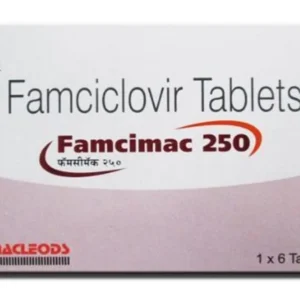
Famcimac 250 Mg (Famciclovir)
Active Ingredient Famciclovir Manufacturer Macleods Pharmaceuticals Pvt Ltd Packaging 6 tablets in 1 strip, 3 tablets in 1 strip Strength 250mg, 500mg Delivery Time 6 To 15 days SKU: Famcimac 250 Mg (Famciclovir) Price range: $110.70 through $654.00Famcimac 250 Mg (Famciclovir)
Price range: $110.70 through $654.00 -
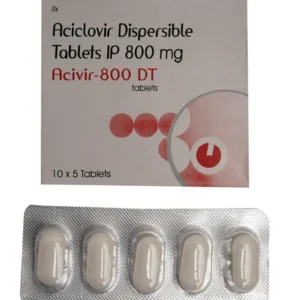
Aciclovir 800 Mg (Acyclovir)
Active Ingredient Acyclovir Manufacturer Healing Pharma, India Packaging 10 Tablets in Strip Strength 800mg Delivery Time 6 To 15 days SKU: Aciclovir 800 Mg (Acyclovir) Price range: $99.00 through $270.00Aciclovir 800 Mg (Acyclovir)
Price range: $99.00 through $270.00