
Gastrointestinal Medications: Understanding Your Digestive Health Options:-
Gastrointestinal medications are designed to support and manage various conditions affecting your digestive system—from your esophagus and stomach to your intestines and related organs. These medicines help address symptoms and underlying issues that impact how your body processes food, absorbs nutrients, and eliminates waste.
What This Category Covers?
This category includes medications commonly used for digestive system concerns, such as:
– Acid-related conditions: Heartburn, acid reflux, and gastroesophageal reflux disease (GERD)
– Stomach discomfort: Indigestion, bloating, and gastritis
– Bowel irregularities: Constipation, diarrhea, and irritable bowel syndrome (IBS)
– Nausea and vomiting: Motion sickness and general digestive upset
– Inflammatory conditions: Support for conditions affecting the digestive tract lining
– Digestive enzyme support: Products that aid in breaking down food components
– Gas and flatulence: Medications to reduce intestinal gas buildup
– Peptic ulcers: Treatments that protect the stomach lining and promote healing
How Gastrointestinal Medicines Generally Work?
Different types of gastrointestinal medications work through various mechanisms:
Antacids neutralize existing stomach acid to provide quick relief from heartburn and indigestion. They work rapidly but offer shorter-term relief.
Proton pump inhibitors (PPIs) and H2 blockers reduce the amount of acid your stomach produces, offering longer-lasting relief for acid-related conditions.
Prokinetics help move food through your digestive system more efficiently by improving muscle contractions in the gastrointestinal tract.
Antispasmodics relax the smooth muscles in your digestive tract, helping reduce cramping and discomfort associated with IBS and similar conditions.
Laxatives work in different ways—some add bulk to stool, others soften it, while some stimulate bowel movements or draw water into the intestines.
Antidiarrheals slow down bowel movements and help your intestines absorb more fluid from waste material.
Antiemetics block the signals in your brain that trigger nausea and vomiting.
Digestive enzymes supplement your body’s natural enzymes to help break down proteins, fats, and carbohydrates more effectively.
Safe Usage Awareness:-
When using gastrointestinal medications, consider these important points:
Proper identification is essential: Digestive symptoms can sometimes indicate serious conditions. Persistent symptoms, severe pain, blood in stool or vomit, unexplained weight loss, or difficulty swallowing warrant immediate medical attention.
Follow dosage instructions carefully: Taking more than recommended won’t provide faster relief and may cause unwanted effects or mask underlying problems.
Be aware of interactions: Some gastrointestinal medications can affect how your body absorbs other medicines or nutrients. Timing of doses may matter—for instance, some should be taken on an empty stomach while others work best with food.
Duration matters: Many medications in this category are intended for short-term use. Long-term use of certain products without medical supervision may lead to complications or dependency.
Lifestyle factors: Diet, hydration, stress management, and physical activity significantly impact digestive health. Medications work best as part of a comprehensive approach to wellness.
Special populations: Pregnant or breastfeeding women, children, elderly individuals, and those with kidney or liver conditions may require adjusted dosing or specific product recommendations.
Buying Guidance for Patients:-
When selecting gastrointestinal medications online, keep these considerations in mind:
Know your symptoms: Understanding whether you’re experiencing heartburn, indigestion, constipation, or diarrhea helps you choose appropriate products. Different symptoms require different approaches.
Read active ingredients: Products with similar brand names may contain different active ingredients. Always verify you’re selecting the medication your healthcare provider recommended or the ingredient that has worked for you previously.
Check prescription requirements: Some gastrointestinal medications are available over-the-counter, while others require a valid prescription. Ensure you have the necessary documentation before purchasing prescription items.
Verify product information: Look for complete product details, including strength, dosage form (tablets, liquids, capsules), quantity, and expiration dating practices.
Review usage directions: Even familiar medications may have specific instructions regarding when to take them relative to meals, what to avoid while using them, and how long you can safely use them.
Consult when needed: If your symptoms persist beyond the time frame indicated for self-care, worsen, or change in nature, reach out to a healthcare provider. Online pharmacies should never replace professional medical guidance for complex or persistent digestive issues.
Consider your complete health picture: Share information about all medications you’re taking, existing health conditions, and allergies with your pharmacist to ensure safe product selection.
Frequently Asked Questions?
Q: How quickly should gastrointestinal medications provide relief?
A: This varies significantly by medication type and condition. Antacids typically work within minutes for heartburn relief, while acid reducers like H2 blockers may take 30-60 minutes. PPIs often require 1-4 days of consistent use to reach full effectiveness. Laxatives vary from 6 hours to 3 days, depending on the type. If you’re not experiencing expected relief within the timeframe indicated on your medication packaging, or if symptoms worsen, consult your healthcare provider.
Q: Can I take gastrointestinal medications together with my other prescriptions?
A: Many gastrointestinal medications can affect the absorption of other medicines. For example, antacids and PPIs may reduce the absorption of certain antibiotics, iron supplements, and other medications. Some should be taken hours apart from other medicines. Always inform your pharmacist about all medications, supplements, and vitamins you’re taking. They can advise on proper timing and potential interactions to ensure all your medications work effectively.
Q: Is it safe to use over-the-counter digestive medications long-term?
A: Most over-the-counter gastrointestinal medications are designed for short-term symptom relief—typically ranging from a few days to two weeks, depending on the product. Extended use without medical supervision can mask serious underlying conditions, lead to nutrient deficiencies, cause rebound symptoms, or create dependency (particularly with some laxatives). If you find yourself needing these medications regularly or for extended periods, schedule an appointment with a healthcare provider to address the root cause.
Q: What’s the difference between generic and brand-name gastrointestinal medications?
A: Generic medications contain the same active ingredients in the same strengths and dosage forms as their brand-name counterparts and must meet the same quality and safety standards. The primary differences are typically price, inactive ingredients (such as fillers, binders, or flavorings), and appearance. The inactive ingredients rarely affect how the medication works, though in rare cases, individuals may be sensitive to specific inactive components. Generics offer a cost-effective option while providing equivalent therapeutic benefit.
Disclaimer:-
This information is for educational purposes and should not replace professional medical advice. Always consult with a qualified healthcare provider regarding your specific health concerns and before starting any new medication regimen.
-

Rifagut 200 Mg (Rifaximin)
Active Ingredient Rifaximin Manufacturer Irritable bowel syndrome, Hepatic encephalopathy Packaging Sun Pharmaceutical Industries Ltd Strength 200mg, 550mg Delivery Time 6 To 15 days SKU: Rifagut 200 Mg (Rifaximin) Price range: $42.00 through $260.00Rifagut 200 Mg (Rifaximin)
Price range: $42.00 through $260.00 -
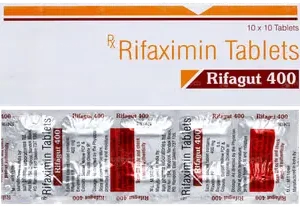
Refagut 400 Mg (Rifaximin)
Active Ingredient Rifaximin Manufacturer Sun Pharmaceutical Industries Ltd Packaging 10 tablets in 1 strip Strength 400mg Delivery Time 6 To 15 days SKU: Rifagut 400 Mg (Rifaximin) Price range: $56.00 through $160.00Refagut 400 Mg (Rifaximin)
Price range: $56.00 through $160.00