
Filariasis Treatment & Prevention Medications:-
Filariasis is a parasitic disease caused by thread-like roundworms (filarial worms) transmitted through mosquito bites. This infection affects millions of people worldwide, particularly in tropical and subtropical regions. When left untreated, certain types of filariasis can lead to serious complications, including lymphedema, elephantiasis, and other chronic conditions.
Understanding Filariasis Medications:-
This category includes prescription medications used in the treatment and prevention of filarial infections. These medicines are part of comprehensive treatment protocols designed to eliminate adult worms, microfilariae (larval stages), and prevent disease progression.
Common Medications in This Category:-
The primary medications used for filariasis treatment include:
– Diethylcarbamazine (DEC) – An anthelmintic agent effective against various filarial parasites
– Ivermectin – Used to reduce microfilariae levels in the bloodstream
– Albendazole – Often combined with other medications for enhanced effectiveness
– Doxycycline – Targets the bacterial symbionts within filarial worms
These medications are typically prescribed based on the specific type of filarial infection, disease stage, geographic location, and individual patient factors.
How Filariasis Medications Work?
Antifilarial medications work through different mechanisms to combat parasitic infections:
Microfilaricidal Action: Some medicines primarily target the larval forms (microfilariae) circulating in the blood, reducing their numbers and preventing transmission to mosquitoes.
Macrofilaricidal Action: Certain treatments work against adult worms residing in the lymphatic system or tissues, helping to eliminate the source of infection.
Symbiont Targeting: Newer treatment approaches target *Wolbachia* bacteria that live within filarial worms, which are essential for worm survival and reproduction.
The effectiveness of treatment depends on factors including the type of filarial infection, disease duration, medication regimen, and completion of the full treatment course as prescribed by healthcare providers.
Safe Usage Considerations:-
Filariasis medications are prescription-only and require medical supervision. Important safety considerations include:
Medical Assessment Required: Proper diagnosis through blood tests, imaging, or other diagnostic methods is essential before starting treatment. Different filarial species require specific treatment approaches.
Potential Reactions: Some patients may experience reactions when large numbers of parasites are killed, particularly in the initial treatment phase. Medical monitoring helps manage these effects appropriately.
Contraindications: Certain health conditions, concurrent infections, pregnancy, or breastfeeding may affect medication choice and timing. Always disclose your complete medical history to your healthcare provider.
Drug Interactions: Filariasis medications can interact with other medicines. Inform your doctor about all medications, supplements, and herbal products you’re currently taking.
Treatment Duration: Complete the full prescribed course even if symptoms improve. Incomplete treatment may not fully eliminate the infection.
Buying Guidance for Patients:-
When purchasing filariasis medications from an online pharmacy:
Valid Prescription Required: All antifilarial medications require a legitimate prescription from a licensed healthcare provider. Avoid sources that offer these medicines without proper prescriptions.
Verify Pharmacy Credentials: Choose licensed online pharmacies that display proper certifications and operate in compliance with pharmaceutical regulations.
Check Medication Authenticity: Ensure medications are sourced from reputable manufacturers and come in sealed, properly labeled packaging with batch numbers and expiration dates.
Consultation Availability: Select pharmacies that offer access to qualified pharmacists for questions about your medications, proper usage, and potential side effects.
Storage Information: Follow the proper storage instructions provided with your medication to maintain effectiveness.
Follow-Up Care: Filariasis treatment often requires follow-up testing and monitoring. Maintain regular contact with your healthcare provider throughout and after treatment.
When to Seek Medical Attention?
Contact your healthcare provider if you experience:
– Severe allergic reactions or breathing difficulties
– High fever or severe headaches during treatment
– Unusual swelling, pain, or skin changes
– Vision problems or eye discomfort
– Symptoms that worsen or don’t improve with treatment
Supporting Your Treatment Journey:-
Successful filariasis management extends beyond medication. Patients are encouraged to:
– Attend all scheduled medical appointments and follow-up tests
– Use mosquito prevention measures to avoid reinfection
– Maintain good hygiene and skin care, especially if lymphedema is present
– Stay informed about your specific condition and treatment plan
– Report any concerns or side effects to your healthcare provider promptly
Frequently Asked Questions?
Q1: How long does filariasis treatment typically take?
Treatment duration varies depending on the type of filarial infection and the specific medication regimen prescribed. Some protocols involve single-dose treatments repeated annually, while others require daily medication for several weeks. Chronic cases may need longer-term management strategies. Your healthcare provider will determine the appropriate treatment length based on diagnostic findings, the severity of infection, and your response to therapy. Regular follow-up testing helps confirm treatment success.
Q2: Can I buy filariasis medications without a prescription?
No. All antifilarial medications are prescription-only medicines that require diagnosis and prescription from a qualified healthcare provider. Self-treatment is not appropriate for parasitic infections, as proper diagnosis is essential to identify the specific type of filariasis and determine the most effective treatment approach. Using these medications without medical supervision can lead to inappropriate treatment, adverse effects, or incomplete parasite elimination.
Q3: Are there any dietary restrictions while taking filariasis medications?
Dietary requirements vary depending on the specific medication prescribed. Some antifilarial drugs are better absorbed when taken with food, while others should be taken on an empty stomach. Your healthcare provider or pharmacist will provide specific instructions for your medication. Generally, maintaining adequate hydration is important during treatment. Avoid alcohol during treatment unless your doctor advises otherwise, as it may increase the risk of side effects.
Q4: Will I need repeated doses of medication for filariasis?
Many filariasis treatment programs involve repeated doses to ensure complete elimination of parasites. Mass drug administration programs in endemic areas often provide annual treatment for several years. Individual treatment plans may involve multiple courses depending on initial parasite burden, treatment response, and follow-up test results. Your healthcare provider will monitor your progress through blood tests or other diagnostic methods and adjust treatment accordingly.
Medical Disclaimer:-
This information is for educational purposes only and does not constitute medical advice. Always consult qualified healthcare professionals for diagnosis, treatment decisions, and personalized medical guidance regarding filariasis or any health condition.
-
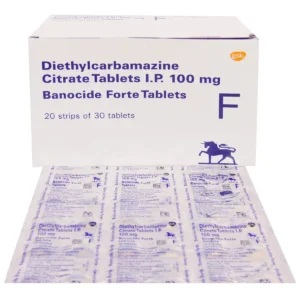
Banocide Forte 100 Mg (Diethylcarbamazine)
Active Ingredient Diethylcarbamazine Manufacturer GlaxoSmithKline Pharmaceuticals Ltd Packaging 20 tablets in 1 strip & 30 tablets in 1 strip Strength 100mg Delivery Time 6 To 15 days SKU: Banocide Forte 100 Mg (Diethylcarbamazine) Price range: $13.50 through $25.50Banocide Forte 100 Mg (Diethylcarbamazine)
Price range: $13.50 through $25.50 -
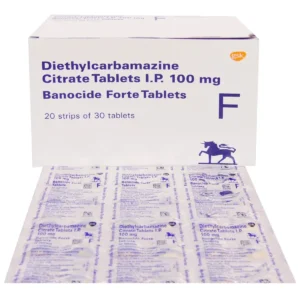
Banocide Forte 50 Mg (Diethylcarbamazine)
Active Ingredient Diethylcarbamazine Manufacturer GlaxoSmithKline Pharmaceuticals Ltd Packaging 20 tablets in 1 strip & 30 tablets in 1 strip Strength 50mg Delivery Time 6 To 15 days SKU: Banocide Forte 50 Mg (Diethylcarbamazine) Price range: $10.80 through $21.00Banocide Forte 50 Mg (Diethylcarbamazine)
Price range: $10.80 through $21.00