
Eczema Care & Treatment Products:-
Living with eczema can be challenging, but effective management is possible with the right approach and products. This category brings together medications and skincare solutions designed to help manage eczema symptoms and support skin health.
What Is Eczema?
Eczema, also known as atopic dermatitis, is a common skin condition that causes the skin to become dry, itchy, red, and inflamed. It affects people of all ages and can appear on various parts of the body, though it commonly occurs on the hands, feet, face, and behind the knees. While eczema is a chronic condition that cannot be cured, symptoms can be effectively managed with appropriate treatment and skincare routines.
Products Available in This Category:-
Our eczema category includes a range of products that may help manage different aspects of this condition:
Topical Corticosteroids – Anti-inflammatory creams and ointments available in various strengths to help reduce inflammation and itching during flare-ups.
Emollients and Moisturizers – Hydrating products that help repair and protect the skin barrier, reducing dryness and preventing flare-ups.
Topical Calcineurin Inhibitors – Non-steroidal prescription medications that help control inflammation in sensitive areas.
Antihistamines – Oral medications that may help reduce itching, particularly at night.
Antibacterial Treatments – Products that address secondary infections that can develop when eczema-affected skin becomes broken.
Bath Additives and Cleansers – Gentle, soap-free products formulated specifically for sensitive, eczema-prone skin.
How Eczema Treatments Generally Work?
Different eczema treatments work through various mechanisms to address specific aspects of the condition:
Anti-inflammatory medications like corticosteroids work by reducing the immune system’s inflammatory response in the skin, which helps decrease redness, swelling, and itching. These are typically used during active flare-ups rather than continuously.
Emollients work by creating a protective layer on the skin’s surface that locks in moisture and prevents water loss. This helps repair the damaged skin barrier that is characteristic of eczema, making the skin less vulnerable to irritants and allergens.
Calcineurin inhibitors suppress certain immune cells in the skin that contribute to inflammation, offering an alternative to steroids for long-term management, especially on delicate areas like the face and eyelids.
Antihistamines block histamine receptors, which can help reduce the itching sensation and improve sleep quality when symptoms are bothersome at night.
Safe Usage Awareness:-
When using eczema treatments, keep these important points in mind:
– Follow prescribed directions carefully – Different products have specific application instructions regarding frequency, amount, and duration of use.
– Potency matters – Topical corticosteroids come in different strengths. Stronger preparations are not always better and should only be used as directed by a healthcare professional.
– Location considerations – Some treatments are suitable for certain body areas but not others. The face, genitals, and skin folds require special consideration.
– Duration of use – Some treatments are meant for short-term use during flare-ups, while others (like emollients) should be used regularly as part of ongoing skin maintenance.
– Watch for side effects – While most eczema treatments are safe when used correctly, long-term or improper use of certain medications can cause skin thinning or other effects.
– Patch testing – If you have sensitive skin, consider testing new products on a small area first to check for adverse reactions.
– Proper storage – Keep medications at the recommended temperature and away from direct sunlight to maintain their effectiveness.
If symptoms worsen, do not improve after the recommended treatment period, or if you experience unexpected reactions, consult a healthcare professional promptly.
Buying Guidance for Patients:-
Choosing the right eczema products requires consideration of several factors:
Understand your prescription – If you have a prescription, ensure you’re ordering the correct product name, strength, and formulation (cream, ointment, lotion) as specified.
Over-the-counter vs. prescription – While many moisturizers and mild treatments are available without prescription, moderate to severe eczema often requires prescription-strength medications.
Check ingredients – Look for products that are fragrance-free, hypoallergenic, and specifically formulated for sensitive or eczema-prone skin.
Consider your symptoms – Different products address different needs. Some focus on immediate relief during flare-ups, while others are preventive maintenance products.
Quantity and value – Emollients need to be applied generously and frequently, so consider larger sizes for better value when these are part of your regular routine.
Expiry dates – Check that products have adequate shelf life remaining, especially when ordering larger quantities.
Verify credentials – Ensure you’re purchasing from a registered and regulated online pharmacy that requires appropriate prescriptions for prescription-only medications.
Consult when needed – If you’re unsure which products are appropriate for your situation, many online pharmacies offer consultation services, or you should speak with your GP or dermatologist.
Frequently Asked Questions?
1. Can I use eczema treatments during pregnancy or while breastfeeding?
Some eczema treatments are considered safe during pregnancy and breastfeeding, while others require caution or should be avoided. Emollients and moisturizers are generally safe, but certain prescription medications may not be recommended. Always inform your healthcare provider or pharmacist if you are pregnant, planning to become pregnant, or breastfeeding before using any eczema treatment, including over-the-counter products.
2. How long does it typically take for eczema treatments to show results?
The timeframe varies depending on the type of product and severity of symptoms. Topical corticosteroids may begin reducing inflammation and itching within a few days, with maximum benefit usually seen after one to two weeks of consistent use. Emollients may take several weeks of regular application to show significant improvement in skin barrier function. If you don’t see improvement within the expected timeframe, or if symptoms worsen, consult a healthcare professional for guidance.
3. Should I continue using emollients when my eczema symptoms improve?
Yes, regular use of emollients is an essential part of eczema management, even when your skin appears clear. Continuing to moisturize helps maintain the skin barrier, reduces the likelihood of flare-ups, and may decrease the need for prescription treatments over time. Many dermatologists recommend applying emollients at least twice daily as part of an ongoing skincare routine, not just during active symptoms.
4. Can I use different eczema products together, such as a steroid cream and a moisturizer?
In most cases, yes, and this combination is often recommended. The general guidance is to apply prescription treatments like corticosteroids first to affected areas, wait a few minutes for absorption, then apply emollients over the entire area, including treated spots. This approach addresses both inflammation and skin barrier repair. However, always follow the specific instructions provided with your medications, and if you’re unsure about using products together, consult your pharmacist or healthcare provider.
Medical Disclaimer:-
This information is for educational purposes only and does not constitute medical advice. Always read the patient information leaflet that comes with your medication. If you have questions about which products are suitable for your individual circumstances, consult your GP, dermatologist, or pharmacist.
-
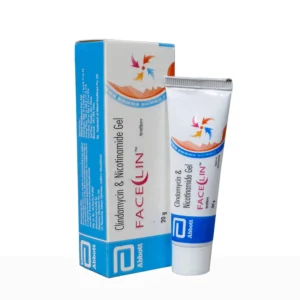
Faceclin Gel (Clindamycin & Nicotinamide)
Active Ingredient Clindamycin/Nicotinamide Manufacturer Abbott India Pvt. Ltd. Packaging 20 gm in 1 tube Strength 20g Delivery Time 6 To 15 days SKU: Faceclin Gel (Clindamycin/Nicotinamide) Price range: $6.00 through $32.00Faceclin Gel (Clindamycin & Nicotinamide)
Price range: $6.00 through $32.00 -
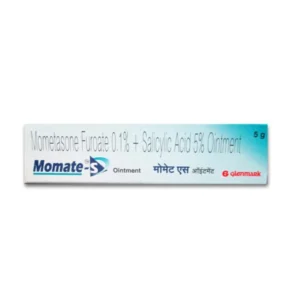
Momate S Ointment (Mometasone & Salicylic Acid)
Active Ingredient Mometasone/Salicylic Acid Manufacturer Glenmark Pharmaceuticals Ltd Packaging 20 gm in 1 tube Strength 20g Delivery Time 6 to 15 days SKU: Momate S Ointment (Mometasone/Salicylic Acid) Price range: $12.00 through $59.00Momate S Ointment (Mometasone & Salicylic Acid)
Price range: $12.00 through $59.00