
COPD Medications and Respiratory Care Products:-
Living with Chronic Obstructive Pulmonary Disease (COPD) requires consistent management and the right medications to help you breathe easier and maintain your quality of life. This category provides access to prescription medications and respiratory care products specifically designed to support individuals managing COPD and related chronic lung conditions.
What This Category Covers?
This section includes medications prescribed for the management of COPD, a progressive lung condition that makes breathing difficult. COPD encompasses chronic bronchitis and emphysema, conditions that cause airflow obstruction and breathing problems. The medications available here are prescribed by healthcare providers to help manage symptoms, reduce flare-ups, and improve daily breathing function.
Common Conditions and Products in This Category:-
Medications in this category are typically prescribed for:
– Chronic Obstructive Pulmonary Disease (COPD)
– Chronic bronchitis
– Emphysema
– Persistent airflow limitation
– Prevention of COPD exacerbations (flare-ups)
Types of products you may find include:
– Long-acting bronchodilators (LABAs and LAMAs)
– Inhaled corticosteroids for airways inflammation
– Combination inhalers (bronchodilators + corticosteroids)
– Short-acting rescue inhalers
– Nebulizer solutions
– Phosphodiesterase-4 (PDE4) inhibitors
– Oxygen therapy accessories
– Spacers and inhaler devices
How COPD Medications Generally Work?
COPD medications work through different mechanisms to help manage symptoms and improve breathing:
Bronchodilators relax the muscles around your airways, making them wider and easier to breathe through. Long-acting versions provide relief for 12-24 hours, while short-acting types work quickly for immediate symptom relief.
Inhaled corticosteroids reduce inflammation and swelling in the airways, helping to decrease the frequency of flare-ups over time. These are maintenance medications rather than quick-relief options.
Combination medications pair bronchodilators with corticosteroids to address both airway narrowing and inflammation simultaneously, often simplifying treatment regimens.
PDE4 inhibitors are oral medications that reduce inflammation in the lungs and help prevent exacerbations, particularly in patients with chronic bronchitis and a history of flare-ups.
Each medication type serves a specific purpose in COPD management, and your healthcare provider will determine which combination is most appropriate based on your individual condition severity and symptoms.
Safe Usage Awareness:-
Always follow your healthcare provider’s instructions regarding how and when to use your COPD medications. Here are important safety considerations:
– Use as prescribed: Don’t adjust doses or stop medications without consulting your healthcare provider, even if you feel better
– Know your inhalers: Understand which inhaler is for daily maintenance and which is for rescue use during sudden breathing difficulties
– Proper technique matters: Incorrect inhaler technique can reduce medication effectiveness—ask your pharmacist or doctor to demonstrate proper use
– Watch for side effects: Common effects may include throat irritation, hoarseness, or mild tremor. Report any concerning symptoms to your healthcare provider
– Regular monitoring: Keep scheduled appointments with your healthcare provider to assess how well your treatment plan is working
– Rinse after use: When using inhaled corticosteroids, rinse your mouth with water afterward to reduce the risk of oral thrush
– Check expiration dates: Expired medications may not work effectively
– Storage: Store inhalers and medications according to package instructions, typically at room temperature away from extreme heat or cold
Buying Guidance for Patients:-
When purchasing COPD medications through our online pharmacy, keep these points in mind:
Prescription Requirements: All COPD medications require a valid prescription from a licensed healthcare provider. You’ll need to provide prescription details during the ordering process or have your doctor send it directly to our pharmacy.
Verify Your Medication: Double-check that you’re ordering the correct medication, strength, and inhaler device type prescribed by your doctor. Different inhaler devices require different techniques.
Insurance and Pricing: Check whether your medication is covered by your insurance plan. Our pharmacy team can help you explore options if cost is a concern, including generic alternatives when available.
Refill Management: COPD medications are typically used long-term. Set up reminders to refill your prescriptions before you run out, as gaps in treatment can worsen symptoms.
Ask Questions: Our licensed pharmacists are available to answer questions about your medications, proper inhaler technique, potential interactions with other drugs, and what to do if you miss a dose.
Authenticity Matters: Only purchase medications from licensed, verified online pharmacies. Check for appropriate certifications and regulatory approvals to ensure you’re receiving genuine medications.
Delivery Considerations: Plan for shipping time, especially for maintenance medications you use daily. Consider temperature-sensitive shipping options if needed during extreme weather.
Understanding Your Treatment Journey:-
COPD management is a long-term commitment that works best when medications are used consistently as prescribed. While these medications help manage symptoms and reduce exacerbations, they work most effectively as part of a comprehensive approach that may also include lifestyle modifications, pulmonary rehabilitation, smoking cessation if applicable, and regular medical follow-up.
Your response to medication may take time, particularly with maintenance therapies. It’s important to continue taking your prescribed medications even when you feel well, as they work to prevent symptoms and flare-ups rather than just treat them when they occur.
Stay in regular communication with your healthcare team, report any changes in your breathing or symptoms, and never hesitate to seek immediate medical attention if you experience severe breathing difficulties.
Frequently Asked Questions?
1. What’s the difference between maintenance and rescue inhalers for COPD?
Maintenance inhalers (also called controller medications) are used daily to manage COPD over time, reduce inflammation, and prevent symptoms from worsening. These include long-acting bronchodilators and inhaled corticosteroids. Rescue inhalers (reliever medications) are short-acting bronchodilators used only when you experience sudden breathing difficulties or increased symptoms. They work quickly to open airways during a flare-up. Both types serve important but different purposes, and you should never substitute one for the other without your doctor’s guidance.
2. Can I stop taking my COPD medication if I’m feeling better?
No, you should not stop taking your COPD medications without consulting your healthcare provider, even if you feel better. COPD is a chronic condition, and maintenance medications work continuously to manage inflammation, keep airways open, and prevent exacerbations. Stopping medication when symptoms improve can lead to a worsening of your condition and increase the risk of serious flare-ups. If you have concerns about your medication regimen or are experiencing side effects, discuss these with your doctor, who may adjust your treatment plan appropriately.
3. How do I know if I’m using my inhaler correctly?
Proper inhaler technique is essential for getting the full benefit of your medication. Signs of incorrect use include not feeling relief from rescue inhalers, frequent exacerbations despite medication use, or medication being left in the device. Ask your pharmacist or healthcare provider to watch you use your inhaler and provide feedback. Different inhaler types (metered-dose inhalers, dry powder inhalers, soft mist inhalers) require different techniques. Many pharmacies offer demonstration sessions, and manufacturers often provide instructional videos. Using a spacer with metered-dose inhalers can also improve medication delivery.
4. Are generic COPD medications as effective as brand-name versions?
Yes, generic COPD medications contain the same active ingredients in the same strengths as their brand-name counterparts and must meet the same FDA quality and safety standards. They work the same way in your body and are equally effective. The main difference is typically the price, with generics being more affordable. However, when it comes to inhalers, the delivery device itself can differ between brands and generics, which may affect your technique or preference. If your doctor prescribes a generic, you can use it confidently, but discuss any concerns about switching with your healthcare provider or pharmacist.
Disclaimer:
This information is for educational purposes only and is not a substitute for professional medical advice, diagnosis, or treatment. Always consult your healthcare provider before starting, stopping, or changing any medication regimen. If you experience severe breathing difficulties, seek immediate medical attention.
-
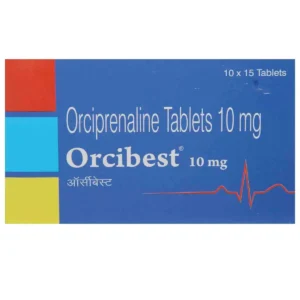
Orcibest (Orciprenaline)
Active Ingredient Orciprenaline Manufacturer Zydus Cadila Pharma Packaging 10 tablets in 1 strip Strength 10 Mg Delivery Time 6 To 15 days SKU: Orcibest (Orciprenaline) Price range: $6.00 through $15.00Orcibest (Orciprenaline)
Price range: $6.00 through $15.00 -
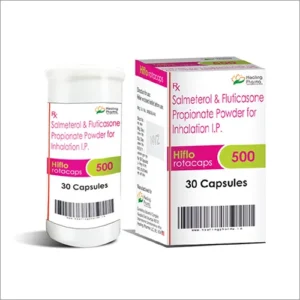
Hiflo Rotacaps 500 Mcg (Salmeterol & Fluticasone)
Active Ingredient Salmeterol/Fluticasone Manufacturer Healing Pharma, India Packaging 30 Rotacaps in 1 bottle Strength 500 Mcg Delivery Time 6 To 15 days SKU: Hiflo Rotacaps 500 Mcg Price range: $9.00 through $24.00Hiflo Rotacaps 500 Mcg (Salmeterol & Fluticasone)
Price range: $9.00 through $24.00 -
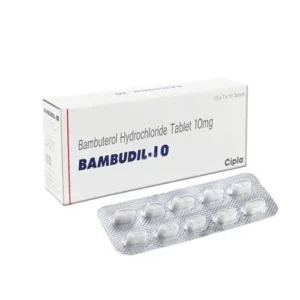
Bambudil (Bambuterol)
Active Ingredient Bambuterol Manufacturer Cipla Limited Packaging 10 tablets in 1 strip Strength 10 Mg Delivery Time 6 To 15 days SKU: Bambudil (Bambuterol) Price range: $28.80 through $66.00Bambudil (Bambuterol)
Price range: $28.80 through $66.00 -
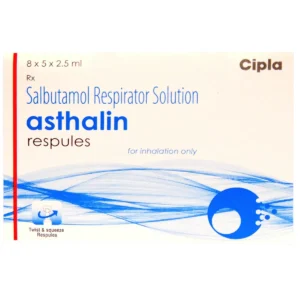
Asthalin Respules (Salbutamol)
Active Ingredient Salbutamol Manufacturer Cipla Limited Packaging 2.5 ml in 1 packet Strength 2.5 Mg Delivery Time 6 To 15 days SKU: Asthalin Respules (Salbutamol) Price range: $10.80 through $28.80Asthalin Respules (Salbutamol)
Price range: $10.80 through $28.80 -
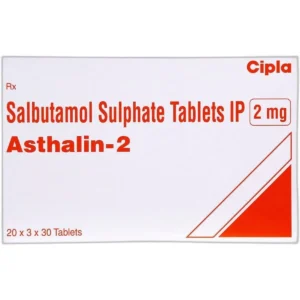
Asthalin 2 Mg (Salbutamol)
Active Ingredient Salbutamol Manufacturer Cipla Limited Packaging 30 tablets in 1 strip Strength 2 Mg Delivery Time 6 To 15 days SKU: Asthalin 2 Mg (Salbutamol) Price range: $6.30 through $21.00Asthalin 2 Mg (Salbutamol)
Price range: $6.30 through $21.00