
Burn Wound Care Products:-
When skin is damaged by heat, chemicals, electricity, or radiation, proper wound care becomes essential for healing and comfort. Our Burn Wound category offers a carefully selected range of products designed to support the management and recovery of burn injuries at home.
Understanding Burn Wounds:-
Burn wounds vary in severity and require appropriate care based on their depth and extent. Minor burns—often from brief contact with hot surfaces, steam, or sun exposure—typically affect only the outer skin layer and can often be managed at home with proper care products. These superficial injuries may cause redness, mild swelling, and discomfo,rt but generally heal within days to weeks with appropriate treatment.
More serious burns require immediate medical attention and ongoing professional care. The products in this category are intended to support the healing process of minor burns and to aid in the aftercare of treated burn injuries as directed by healthcare providers.
Common Products in This Category:-
Our Burn Wound section includes various formulations that serve different purposes in burn care:
Topical Antimicrobial Creams and Ointments: These products help create a protective barrier over the wound while reducing the risk of infection. They often contain silver sulfadiazine or similar active ingredients that prevent bacterial growth in the vulnerable burned tissue.
Hydrogel Dressings: These moisture-retaining products help cool the burn area, provide pain relief, and create an optimal healing environment by maintaining proper moisture levels at the wound site.
Non-Adherent Wound Dressings: Specially designed dressings that protect the burn without sticking to the damaged tissue, making dressing changes less painful and reducing trauma to healing skin.
Burn Relief Sprays and Gels: Fast-acting formulations that provide immediate cooling sensation and pain relief for minor burns, often containing lidocaine or aloe vera.
Antiseptic Solutions: Products used to cleanse the burn area and surrounding skin, helping to prevent infection while being gentle on damaged tissue.
How Burn Care Products Work?
Different burn care products work through various mechanisms to support healing:
Antimicrobial Action: Silver-based compounds and antibiotic ingredients work by disrupting bacterial cell walls and preventing bacterial reproduction, which is crucial since burned skin loses its natural protective barrier against infection.
Moisture Balance: Hydrogel products and occlusive ointments maintain the ideal moisture level for healing. Contrary to older beliefs about letting burns “air out,” modern wound care recognizes that maintaining appropriate moisture speeds healing and reduces scarring.
Pain Management: Topical anesthetics like lidocaine temporarily block nerve signals in the affected area, providing relief from the often-intense pain associated with burn injuries.
Barrier Protection: Many burn ointments and dressings create a physical barrier that protects the wound from environmental contaminants, friction, and further injury while healing occurs beneath.
Tissue Support: Some advanced formulations contain ingredients that support the skin’s natural repair processes, including collagen production and new skin cell growth.
Safe Usage Awareness:-
When using burn care products, several important considerations help ensure safe and effective treatment:
Always assess the burn severity before self-treating. Seek immediate medical care for deep burns, extensive (larger than three inches), located on the face, hands, feet, genitals, or major joints, or caused by chemicals or electricity.
Follow product instructions precisely regarding application frequency and duration of use. Some antimicrobial products, for instance, should not be used for extended periods without medical supervision.
Watch for signs of infection, including increased pain, swelling, warmth, pus, red streaks extending from the wound, or fever. These symptoms require prompt medical evaluation.
Certain burn care products may cause allergic reactions in some individuals. Discontinue use and consult a healthcare provider if you experience increased redness, itching, rash, or other unexpected symptoms.
Never apply burn ointments to deep or severe burns before medical evaluation, as this can interfere with proper medical assessment and treatment.
Some products contain ingredients that increase sun sensitivity. Take appropriate sun protection measures when treating burns on exposed skin areas.
Buying Guidance for Patients:-
Selecting appropriate burn care products depends on several factors:
Assess Your Needs: For fresh minor burns, cooling gels and pain-relief products may be your priority. For ongoing care of healing burns, antimicrobial ointments and protective dressings become more important.
Read Labels Carefully: Check active ingredients, especially if you have known allergies or sensitivities. Note whether products are suitable for the burn type and location you’re treating.
Consider Product Form: Sprays offer no-touch applicatio,n ideal for painful burns, while creams and ointments provide longer-lasting barrier protection. Choose based on your comfort and the burn’s accessibility.
Check Expiration Dates: Burn care products can lose effectiveness over time. Always verify that products are within their usable date range.
Consult Healthcare Providers: If you’re uncertain about which products are appropriate for your situation, or if you’re treating burns in children, elderly individuals, or people with underlying health conditions, seek professional guidance before purchasing.
Keep Emergency Supplies: Consider maintaining a well-stocked first aid kit that includes basic burn care essentials, but remember that these are supplements to—not replacements for—professional medical care when needed.
Prescription Requirements: Some effective burn care products require prescriptions. If recommended by your healthcare provider, ensure you understand proper usage and follow all provided instructions.
Frequently Asked Questions?
Q: How quickly should I apply burn care products after an injury?
A: For minor burns, first cool the area under running cool (not ice-cold) water for 10-20 minutes or until pain subsides. After cooling and gently patting dry, you can apply appropriate burn care products. However, for any burn that appears deep, covers a large area, or occurs on sensitive locations, seek medical care immediately before applying any products. The cooling step is crucial—it helps limit tissue damage and provides initial pain relief.
Q: Can I use regular antibiotic ointment on a burn wound?
A: While general antibiotic ointments may be suitable for very minor burns, specialized burn care products are typically more appropriate for burn wounds. Products specifically formulated for burns often contain ingredients like silver sulfadiazine that are particularly effective against the types of bacteria that commonly infect burn wounds. Additionally, burn-specific products are designed to provide the right balance of moisture and protection. Consult a pharmacist or healthcare provider about which product best suits your specific situation.
Q: How long should I continue using burn wound care products?
A: The duration depends on the burn’s severity and healing progress. Minor superficial burns may heal within a few days to two weeks with proper care. Continue using protective products until the skin has fully healed—typically when new pink skin has completely covered the area, and there’s no longer any open wound. If healing isn’t progressing after a week, if the wound appears infected, or if you have concerns about scarring, consult a healthcare provider. Never discontinue prescription burn medications without medical guidance.
Q: Should burn wounds be covered or left open to air?
A: Current medical evidence supports keeping burn wounds properly covered with appropriate dressings rather than exposing them to air. Covered wounds heal faster, have lower infection rates, and typically result in less scarring. Use non-adherent dressings that won’t stick to healing tissue and change them according to product instructions or medical advice. The exception is very minor, superficial burns that may heal adequately with just topical product application. Your healthcare provider can advise on the best approach for your specific burn.
Important Reminder:-
The information provided here is for educational purposes and should not replace professional medical advice. Burn injuries can be serious and may worsen without proper treatment. Always consult healthcare providers for proper diagnosis and treatment recommendations, especially for burns involving children, elderly individuals, or those with underlying health conditions.
-
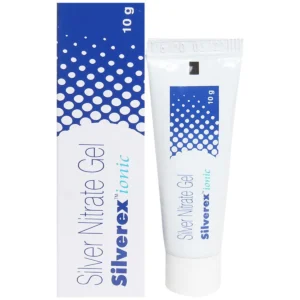
Silverex Ionic Gel (Silver Nitrate)
Active Ingredient Silver Nitrate Manufacturer Sun Pharmaceutical Industries Ltd Packaging 20g in tube Strength 20g Delivery Time 6 To 15 days SKU: Silverex Ionic Gel (Silver Nitrate) Price range: $5.00 through $22.00Silverex Ionic Gel (Silver Nitrate)
Price range: $5.00 through $22.00 -
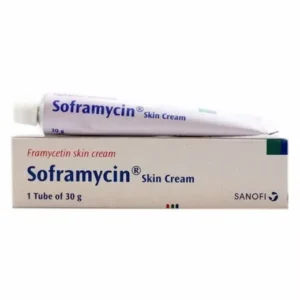
Soframycin Cream (Framycetin Sulphate)
Active Ingredient Framycetin Sulphate Manufacturer Sanofi India Limited Packaging 30 gm in 1 tube Strength 1% Delivery Time 6 to 15 days SKU: Soframycin Cream (Framycetin Sulphate) Price range: $3.00 through $15.00Soframycin Cream (Framycetin Sulphate)
Price range: $3.00 through $15.00