
Brain Tumor Medications: Understanding Your Treatment Options:-
Living with a brain tumor diagnosis brings many questions about treatment and medication options. This category helps you understand the medications commonly prescribed as part of comprehensive brain tumor management, supporting informed conversations with your healthcare team.
What This Category Covers?
Brain tumor medications encompass treatments prescribed by oncologists and neurologists to manage various aspects of brain tumors and their symptoms. These include chemotherapy agents, targeted therapies, corticosteroids for swelling reduction, anti-seizure medications, and supportive care medicines. Each medication serves a specific purpose in your treatment plan, whether targeting tumor cells directly or managing symptoms to improve quality of life.
The medications available through this category are prescribed-only treatments that form part of a broader care strategy determined by your medical team based on tumor type, location, size, and individual health factors.
Common Conditions and Medications in This Category:-
Chemotherapy Medications
Drugs like temozolomide, carmustine, and lomustine are alkylating agents frequently prescribed for certain brain tumor types. These medications work by interfering with cancer cell DNA, preventing tumor growth and division.
Targeted Therapy Medications
Bevacizumab and other targeted treatments focus on specific molecular pathways involved in tumor growth and blood vessel formation, offering more precise therapeutic approaches for certain brain tumors.
Corticosteroids
Dexamethasone and other corticosteroids reduce swelling (edema) around brain tumors, alleviating pressure-related symptoms such as headaches, nausea, and neurological issues.
Anti-Seizure Medications
Levetiracetam, phenytoin, and other anticonvulsants help prevent or control seizures, which can occur as a symptom of brain tumors or their treatment.
Supportive Care Medications
Anti-nausea drugs, pain relievers, and other medications address treatment side effects and symptom management.
How These Medications Generally Work?
Brain tumor medications employ different mechanisms depending on their purpose:
Chemotherapy agents damage the DNA of rapidly dividing cells, including tumor cells, preventing their ability to multiply. Some cross the blood-brain barrier more effectively than others, making them particularly suitable for brain tumor treatment.
Targeted therapies block specific proteins or pathways that tumors need to grow and spread. For example, some medications inhibit vascular endothelial growth factor (VEGF), reducing the blood supply that feeds tumor growth.
Corticosteroids reduce inflammation and swelling in the brain tissue surrounding tumors by suppressing immune responses and decreasing fluid accumulation, which can significantly relieve neurological symptoms.
Anti-seizure medications stabilize electrical activity in the brain by affecting ion channels or neurotransmitter systems, reducing the likelihood of seizures.
Your oncologist selects medications based on your specific diagnosis, tumor characteristics, overall health status, and treatment goals. Many patients receive combination therapies tailored to their unique situation.
Safe Usage and Important Considerations:-
Follow Prescribing Guidelines Carefully
Brain tumor medications require precise dosing and timing. Never adjust doses or stop taking medications without consulting your healthcare provider, as this can affect treatment effectiveness or cause serious complications.
Monitor for Side Effects
These medications can cause various side effects ranging from mild to serious. Common concerns include fatigue, nausea, blood count changes, increased infection risk, and cognitive effects. Report any unusual symptoms to your medical team promptly.
Drug Interactions
Brain tumor medications can interact with other prescription drugs, over-the-counter products, and herbal supplements. Always inform your healthcare providers about all medications and supplements you’re taking.
Regular Monitoring Required
Treatment typically involves regular blood tests, imaging studies, and clinical evaluations to assess response and monitor for complications. Attend all scheduled appointments.
Pregnancy and Fertility Considerations
Many brain tumor medications can harm developing fetuses or affect fertility. Discuss family planning and contraception with your healthcare team before starting treatment.
Storage and Handling
Some medications require specific storage conditions. Follow instructions regarding refrigeration, light protection, and safe handling, especially for chemotherapy agents.
Guidance for Patients Purchasing Brain Tumor Medications:-
Verify Your Prescription
Ensure you have a valid, current prescription from a qualified oncologist or neurologist. These specialized medications require expert oversight and should never be purchased without proper medical supervision.
Choose Licensed Pharmacies
Purchase only from licensed, verified pharmacies that handle specialty oncology medications appropriately. Verify pharmacy credentials and ensure they have proper storage and handling protocols for these sensitive medications.
Understand Your Insurance Coverage
Brain tumor medications can be expensive. Check with your insurance provider about coverage, prior authorization requirements, and out-of-pocket costs. Many pharmaceutical companies offer patient assistance programs for eligible individuals.
Check Medication Details
Verify the medication name, strength, quantity, and dosing instructions match your prescription exactly. Even small errors can have significant consequences with these potent medications.
Ask About Support Services
Many specialty pharmacies offer patient education, side effect management support, and coordination with your healthcare team. Take advantage of these services to optimize your treatment experience.
Plan for Refills
Some medications require continuous therapy. Order refills in advance to avoid treatment interruptions, especially considering potential shipping times or special ordering needs.
Proper Disposal
Ask your pharmacist about safe disposal methods for unused or expired medications, particularly chemotherapy agents that require special handling.
Working With Your Healthcare Team:-
Your oncologist, neurologist, nurses, and pharmacists work together to provide comprehensive care. Maintain open communication, ask questions about your medications, report side effects promptly, and never hesitate to seek clarification about your treatment plan.
Keep a medication list including all drugs, dosages, and schedules. Bring this to all medical appointments to facilitate coordination among your healthcare providers.
Frequently Asked Questions?
1. Can I purchase brain tumor medications online without seeing a doctor in person?
No. Brain tumor medications are prescription-only treatments that require diagnosis, staging, and ongoing monitoring by qualified specialists—typically oncologists or neurologists. These medications carry significant risks and require expert medical supervision, including regular imaging studies, blood tests, and clinical assessments. While some licensed online pharmacies can fulfill valid prescriptions after proper medical evaluation, the initial diagnosis and treatment planning must occur through appropriate medical channels. Never purchase these medications without legitimate prescriptions or from unlicensed sources.
2. How long will I need to take brain tumor medications?
Treatment duration varies significantly based on tumor type, stage, location, treatment response, and your overall treatment plan. Some patients receive medications for specific cycles (weeks to months), while others may need longer-term therapy. Certain supportive medications, like anti-seizure drugs, might continue indefinitely, while chemotherapy typically follows defined protocols. Your oncologist determines the treatment schedule based on clinical guidelines, imaging results, and how your tumor responds. Regular evaluations help adjust the plan as needed. Never discontinue medications on your own, as this can affect treatment outcomes.
3. What should I do if I miss a dose of my brain tumor medication?
This depends on the specific medication and timing. For some drugs, you may take the missed dose as soon as you remember, unless it’s close to the next scheduled dose. For others, particularly chemotherapy agents with strict schedules, you should contact your healthcare team immediately for guidance rather than making assumptions. Never double doses to compensate for missed ones. Your specialty pharmacy or treatment center should provide written instructions for handling missed doses when you start each medication. Keep these instructions accessible and contact your medical team with any uncertainties.
4. Are there generic versions of brain tumor medications available?
Some brain tumor medications have generic equivalents available, which can significantly reduce costs while maintaining therapeutic effectiveness. For example, generic temozolomide has been available for several years. However, not all brain tumor medications have generic versions, particularly newer targeted therapies. Your doctor and pharmacist can discuss whether generic options exist for your specific prescriptions and whether substitution is appropriate for your situation. Insurance coverage often favors generics when available. Always verify with your oncologist before switching between brand-name and generic versions.
5. Can I continue taking my other medications while being treated for a brain tumor?
This requires careful evaluation by your healthcare team. Some medications may interact with brain tumor treatments, affecting either their effectiveness or increasing side effect risks. Common concerns include blood thinners, certain antibiotics, antifungals, supplements, and herbal products. Provide your oncologist with a complete list of everything you take, including over-the-counter products and supplements. Your medical team will determine which medications are safe to continue, which require dose adjustments, and which should be discontinued or replaced with alternatives. Never stop prescribed medications without medical guidance, as this could create other health risks.
Medical Disclaimer:-
This content is for informational purposes only and does not constitute medical advice, diagnosis, or treatment recommendations. Brain tumors require evaluation and treatment by qualified healthcare professionals. Always consult with your oncologist, neurologist, or healthcare provider regarding your specific condition, treatment options, and medication concerns. In case of medical emergencies, contact emergency services immediately.
-
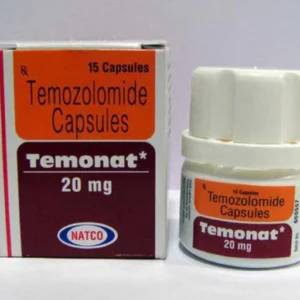
Temonat 20 Mg (Temozolomide)
Active Ingredient Temozolomide Manufacturer Natco Pharma Ltd. Packaging 5 capsules in 1 strip Strength 20mg, 100mg, 250mg Delivery Time 6 To 15 days SKU: Temonat (Temozolomide) – 20 Mg Price range: $90.00 through $335.00Temonat 20 Mg (Temozolomide)
Price range: $90.00 through $335.00 -
Temoside 20 Mg (Temozolomide)
Active Ingredient Temozolomide Manufacturer Cipla Limited Packaging 5 capsules in 1 strip Strength 20mg, 100mg, 250mg Delivery Time 6 To 15 days SKU: Temoside 20 Mg (Temozolomide) Price range: $54.00 through $350.00Temoside 20 Mg (Temozolomide)
Price range: $54.00 through $350.00 -
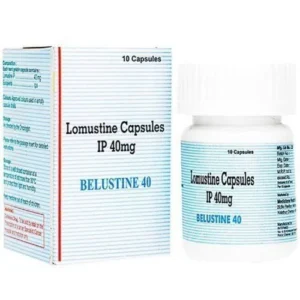
Belustine (Lomustine) – 40 Mg
Active Ingredient Lomustine Manufacturer Medi Biotek (India) Pvt. Ltd. Packaging 10 capsules in a strip Strength 40mg Delivery Time 6 To 15 days SKU: Belustine (Lomustine) – 40mg Price range: $40.00 through $95.00Belustine (Lomustine) – 40 Mg
Price range: $40.00 through $95.00