
Bacterial Infections: Understanding Treatment Options:-
Bacterial infections occur when harmful bacteria enter the body, multiply, and cause illness. These infections can affect various parts of the body—from the skin and respiratory system to the urinary tract and digestive system. While our immune system naturally fights many bacteria, sometimes prescription medications are necessary to help eliminate the infection and prevent complications.
What This Category Covers?
This section includes prescription antibiotics and antimicrobial medications used to treat bacterial infections. These medicines are available only with a valid prescription from a licensed healthcare provider who has diagnosed your specific condition.
Common conditions that may require antibacterial treatment include:
– Respiratory tract infections (bronchitis, pneumonia, sinusitis)
– Urinary tract infections (UTIs)
– Skin and soft tissue infections
– Ear infections (otitis media)
– Throat infections (strep throat, tonsillitis)
– Gastrointestinal bacterial infections
– Dental and oral infections
– Certain sexually transmitted infections
– Bone and joint infections
– Eye infections caused by bacteria
How Antibacterial Medicines Work?
Antibiotics work through different mechanisms to fight bacterial infections. Some antibiotics kill bacteria directly (bactericidal), while others stop bacteria from multiplying (bacteriostatic), allowing your immune system to eliminate the infection naturally.
Different classes of antibiotics target specific types of bacteria:
Penicillins and Cephalosporins interfere with bacterial cell wall formation, causing the bacteria to weaken and die.
Macrolides and Tetracyclines prevent bacteria from producing proteins they need to grow and reproduce.
Fluoroquinolones disrupt bacterial DNA replication, preventing the bacteria from multiplying.
Sulfonamides block the production of folic acid that bacteria need to survive.
Your healthcare provider selects the appropriate antibiotic based on the type of infection, the specific bacteria involved (when identified), your medical history, and any allergies you may have.
Important Safety Considerations:-
Complete the Full Course: Always finish the entire prescribed course of antibiotics, even if you feel better before the medication is finished. Stopping early can allow bacteria to survive and potentially develop resistance.
Take as directed: Follow dosing instructions carefully regarding timing, frequency, and whether to take with food or on an empty stomach. Proper dosing ensures the medication maintains effective levels in your body.
Antibiotic Resistance Awareness: Misuse or overuse of antibiotics contributes to antibiotic resistance, where bacteria evolve to resist treatment. Only use antibiotics when prescribed by a healthcare provider for confirmed bacterial infections.
Not for Viral Infections: Antibiotics do not treat viral infections like the common cold, flu, or most sore throats and coughs. Using antibiotics for viral infections is ineffective and contributes to resistance.
Potential Side Effects: Common side effects may include nausea, diarrhea, stomach upset, or allergic reactions. Contact your healthcare provider if you experience severe reactions, difficulty breathing, or persistent side effects.
Drug Interactions: Some antibiotics interact with other medications, supplements, or certain foods. Always inform your healthcare provider and pharmacist about all medications you’re taking.
Guidance for Patients Purchasing Antibiotics Online:-
Prescription Requirement: All antibiotics require a valid prescription from a licensed healthcare provider. Reputable online pharmacies will always verify your prescription before dispensing medication.
Verify Pharmacy Credentials: Ensure the online pharmacy is licensed and regulated by appropriate authorities. Look for verification seals and contact information for licensed pharmacists.
Consult Before Purchasing: Your prescription should be based on a proper medical evaluation. Avoid websites that offer to prescribe antibiotics without adequate medical consultation.
Check Medication Details: Verify that the medication name, strength, and dosage form match your prescription exactly. Check expiration dates upon delivery.
Storage Instructions: Follow storage requirements carefully. Most antibiotics should be stored at room temperature away from moisture and heat, though some liquid formulations require refrigeration.
Know When to Seek Help: If your symptoms worsen or don’t improve within a few days of starting antibiotics, contact your healthcare provider. Seek immediate medical attention for severe reactions or difficulty breathing.
Responsible Antibiotic Use:-
Using antibiotics responsibly helps preserve their effectiveness for future generations. This means:
– Only using antibiotics prescribed specifically for you
– Never sharing antibiotics with others
– Not saving leftover antibiotics for future use
– Properly disposing of unused or expired antibiotics
– Following infection prevention practices (handwashing, vaccination, safe food handling)
Your healthcare provider and pharmacist are valuable resources for understanding your specific antibiotic treatment. Don’t hesitate to ask questions about your medication, potential side effects, or any concerns you may have.
Frequently Asked Questions?
1. How long does it take for antibiotics to start working?
Most people begin feeling better within 2-3 days of starting antibiotics, though this varies depending on the infection type and severity. However, improvement in symptoms doesn’t mean the infection is eliminated. It’s essential to complete the entire prescribed course, which typically ranges from 5 to 14 days, even when you feel better. If you don’t notice any improvement after 2-3 days, or if symptoms worsen, contact your healthcare provider.
2. Can I drink alcohol while taking antibiotics?
This depends on the specific antibiotic. While moderate alcohol consumption doesn’t reduce the effectiveness of most antibiotics, certain antibiotics (like metronidazole and tinidazole) can cause severe reactions when combined with alcohol. Additionally, alcohol can worsen side effects like nausea and dizziness, and may slow your recovery by affecting your immune system and sleep quality. Always check with your pharmacist or healthcare provider about alcohol consumption with your specific medication.
3. What should I do if I miss a dose of my antibiotic?
If you miss a dose, take it as soon as you remember. However, if it’s almost time for your next scheduled dose, skip the missed dose and continue with your regular schedule. Never double up on doses to make up for a missed one, as this can increase the risk of side effects. To help remember doses, consider setting phone reminders or taking your medication at the same time each day, paired with a regular activity like meals.
4. Why do some antibiotics need to be taken with food while others should be taken on an empty stomach?
The relationship between antibiotics and food affects how well the medication is absorbed. Some antibiotics are better absorbed when taken with food, which also helps reduce stomach upset. Others are absorbed more effectively on an empty stomach and may bind to food components (like calcium or iron), reducing their effectiveness. For example, tetracyclines can bind to dairy products, while azithromycin is better absorbed without food. Always follow the specific instructions provided with your medication for optimal effectiveness.
Disclaimer:-
This information is intended for educational purposes and should not replace professional medical advice. Always consult with a qualified healthcare provider for diagnosis and treatment recommendations specific to your condition.
-
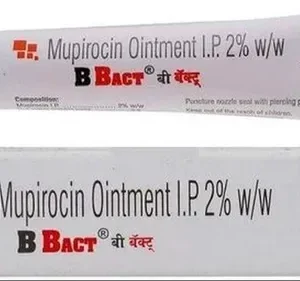
B-Bact Ointment 5 GM (Mupirocin)
Active Ingredient Mupirocin Manufacturer Wallace Pharmaceuticals Pvt. Ltd. Packaging 5 gm in 1 tube Strength 5gm Delivery Time 6 to 15 days SKU: B-Bact Ointment 5 GM (Mupirocin) Price range: $4.00 through $21.00B-Bact Ointment 5 GM (Mupirocin)
Price range: $4.00 through $21.00 -
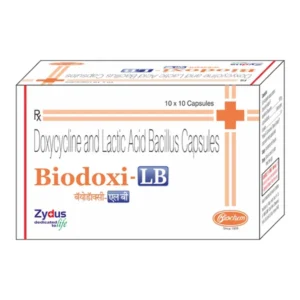
Biodox LB Capsule
Active Ingredient Doxycycline + Lactobacillus Manufacturer Bioderma Solutions Packaging 10 tablets in 1 strip Strength 100mg Delivery Time 6 To 15 days SKU: Biodox LB Capsule Price range: $106.00 through $143.00Biodox LB Capsule
Price range: $106.00 through $143.00 -
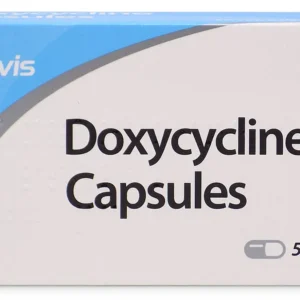
Doxycycline 100 Mg
Active Ingredient Doxycycline Manufacturer Omega Pharma Packaging 10 capsules in 1 strip Strength 100mg Delivery Time 6 To 15 days SKU: Doxycycline 100 Mg Price range: $20.00 through $55.00Doxycycline 100 Mg
Price range: $20.00 through $55.00 -
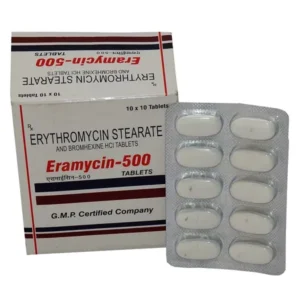
Eramycin 500 Mg
Active Ingredient Erythromycin Stearate & Bromhexine HCI Manufacturer Vetkind Bioscience, India Packaging 10 tablets in 1 strip Strength 500 Mg Delivery Time 6 To 15 days SKU: Eramycin 500 Mg Price range: $16.25 through $43.88Eramycin 500 Mg
Price range: $16.25 through $43.88 -
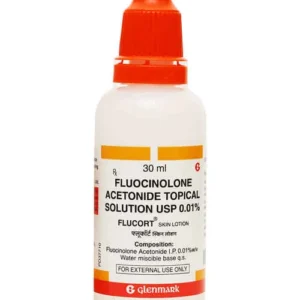
Flucort Skin Lotion 30ml (Fluocinolone)
Active Ingredient Fluocinolone Manufacturer Glenmark Pharmaceuticals Ltd. Packaging 30 ml in 1 bottle Strength 30ml Delivery Time 6 To 15 days SKU: Flucort Skin Lotion 30ml (Fluocinolone) Price range: $7.00 through $36.00Flucort Skin Lotion 30ml (Fluocinolone)
Price range: $7.00 through $36.00 -

Soframycin Cream (Framycetin Sulphate)
Active Ingredient Framycetin Sulphate Manufacturer Sanofi India Limited Packaging 30 gm in 1 tube Strength 1% Delivery Time 6 to 15 days SKU: Soframycin Cream (Framycetin Sulphate) Price range: $3.00 through $15.00Soframycin Cream (Framycetin Sulphate)
Price range: $3.00 through $15.00