
Asthma Medications and Management:-
Understanding Asthma Treatment Options:-
Asthma is a chronic respiratory condition that affects the airways, causing them to become inflamed and narrowed, which can lead to breathing difficulties. This category features medications designed to help manage asthma symptoms, prevent attacks, and support better respiratory function.
Effective asthma management typically involves both long-term control medications and quick-relief treatments. Understanding the different types of asthma medications available can help you work with your healthcare provider to develop an appropriate treatment plan.
What Products Are Available in This Category?
This category includes various asthma medications and devices commonly prescribed for managing different aspects of this respiratory condition:
Relievers (Rescue Inhalers) – Short-acting bronchodilators that quickly open airways during symptoms or asthma attacks
Preventers (Controller Medications) – Long-term medications taken daily to reduce airway inflammation and prevent symptoms
Combination Inhalers – Products containing both a corticosteroid and a long-acting bronchodilator for comprehensive control
Long-Acting Bronchodilators – Medications that help keep airways open for extended periods
Inhaled Corticosteroids – Anti-inflammatory medications delivered directly to the airways
Leukotriene Modifiers – Oral medications that help reduce inflammation and airway constriction
Oral Corticosteroids – Prescription tablets used for severe symptoms or exacerbations
Nebulizer Solutions – Liquid medications converted to mist for inhalation, often used in severe cases or for young children
Spacer Devices – Tools that help improve medication delivery from inhalers
Peak Flow Meters – Devices to monitor lung function at home
How Do Asthma Medications Work?
Asthma treatments work through different mechanisms depending on their classification:
Bronchodilation – Reliever medications relax the muscles around the airways, allowing them to open quickly. This provides rapid relief during symptoms or attacks, typically within minutes.
Reducing Inflammation – Preventer medications, particularly corticosteroids, work by decreasing inflammation in the airways over time. This reduces sensitivity and makes airways less likely to react to triggers.
Blocking Inflammatory Pathways – Leukotriene modifiers work by blocking specific chemicals in the body that cause airway inflammation and constriction.
Combined Action – Combination inhalers provide both immediate bronchodilation and long-term anti-inflammatory effects, addressing multiple aspects of asthma control.
Preventive Protection – Controller medications don’t provide immediate relief but work consistently to maintain open airways and reduce the frequency and severity of symptoms when taken regularly.
It’s important to understand that preventer medications must be taken daily as prescribed, even when feeling well, while reliever medications are used as needed for symptom relief.
Safe Usage and Important Considerations:-
Proper Inhaler Technique – Correct inhaler use is essential for medication effectiveness. Many people don’t receive the full benefit of their medication due to improper technique. Ask your pharmacist or healthcare provider to demonstrate proper use.
Prescription Requirements – Most asthma medications require a valid prescription from a licensed healthcare provider. Regular medical review is important for optimal asthma management.
Don’t Skip Preventer Medications – Even when feeling well, continue taking daily controller medications as prescribed. Stopping preventers often leads to worsening symptoms and increased attack risk.
Know the Difference – Understand which medications are for daily prevention and which are for quick relief. Using a reliever inhaler too frequently may indicate poor asthma control requiring medical review.
Monitor Usage – If you’re using your reliever inhaler more than 2-3 times per week, or waking at night with symptoms, consult your healthcare provider as your asthma may need better control.
Emergency Situations – Seek immediate medical attention if reliever medication doesn’t help within 5-10 minutes, if symptoms rapidly worsen, or if you experience severe difficulty breathing.
Regular Check-ups – Asthma requires ongoing monitoring. Attend scheduled appointments to assess control and adjust treatment as needed.
Spacer Devices – Using a spacer with metered-dose inhalers improves medication delivery to the lungs and reduces side effects. This is particularly important for children and those taking inhaled corticosteroids.
Rinse After Use – When using inhaled corticosteroids, rinse your mouth thoroughly after each use to reduce the risk of oral thrush and voice changes.
Buying Guidance for Patients:-
Verify Your Prescription – Ensure you have a current, valid prescription for any prescription asthma medications. Check that the dosage and frequency match your healthcare provider’s instructions.
Check Expiry Dates – Asthma medications have specific expiration dates. Using expired medications may result in reduced effectiveness, which can be dangerous during an asthma attack.
Understand Your Inhaler Type – Different inhalers work differently (metered-dose inhalers, dry powder inhalers, breath-actuated inhalers). Ensure you know how to use your specific device correctly.
Count Your Doses – Keep track of remaining doses in your inhalers. Many don’t have dose counters, so maintaining a record helps ensure you don’t run out unexpectedly.
Keep Spare Relievers – Consider having a backup reliever inhaler at home, work, or school. Running out during an emergency can be life-threatening.
Purchase from Licensed Pharmacies – Only buy asthma medications from reputable, licensed pharmacies to ensure you receive genuine, properly stored medications.
Review Patient Information – Read the patient information leaflet provided with your medication for complete details on usage, side effects, and storage requirements.
Consider Travel Needs – If traveling, ensure you have adequate medication supplies and carry prescriptions with you. Some countries have restrictions on certain medications.
Storage Requirements – Most inhalers should be stored at room temperature. Extreme heat or cold can affect medication effectiveness. Never puncture or burn aerosol canisters.
Insurance and Costs – Check with your insurance provider about coverage for asthma medications and whether specific brands or generics are preferred.
Frequently Asked Questions?
What’s the difference between a reliever and a preventer inhaler?
Reliever inhalers (usually blue) contain fast-acting bronchodilators that quickly open airways during symptoms or attacks, providing relief within minutes. Preventer inhalers (often brown, red, or orange) contain anti-inflammatory medications that must be taken daily to reduce airway inflammation and prevent symptoms from occurring. Relievers treat immediate symptoms, while preventers work long-term to control the underlying condition. Both types are often necessary for effective asthma management.
How often should I replace my inhaler?
This depends on the number of doses used and the expiry date. Most metered-dose inhalers contain 200 doses. If you use your preventer twice daily (two puffs each time), it will last approximately 50 days. Track your usage or use inhalers with dose counters. Replace inhalers before they run out or reach their expiry date, whichever comes first. Never rely on shaking the canister to determine remaining doses, as propellant may remain even when the medication is depleted.
Can I stop taking my preventer medication when I feel better?
No, preventer medications must be taken consistently as prescribed, even when you feel well. Asthma is a chronic condition, and inflammation in your airways persists even without noticeable symptoms. Stopping preventer medication often leads to gradual worsening of asthma control, increased symptoms, and hia gher risk of severe attacks. Any changes to your medication regimen should only be made under the guidance of your healthcare provider.
What should I do if I’m using my reliever inhaler more frequently?
Increased reliever use (more than 2-3 times per week, excluding pre-exercise use) indicates your asthma is not well controlled. Contact your healthcare provider for a medication review. You may need to start or adjust preventer medication, or your current treatment may need optimization. Overreliance on relievers without adequate preventer therapy can be dangerous and may lead to severe attacks.
Medical Disclaimer:-
This content is for informational purposes only and does not constitute medical advice. Asthma is a serious medical condition that requires professional diagnosis and management. Always consult with a qualified healthcare provider for diagnosis, treatment recommendations, personalized asthma action plans, and before starting, stopping, or changing any medication. In case of severe breathing difficulty or an asthma emergency, seek immediate medical attention or call emergency services.
-
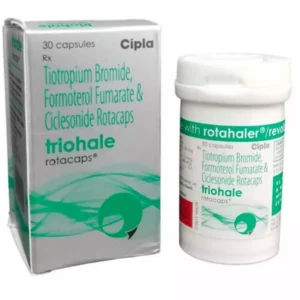
Triohale Rotacaps (Tiotropium, Formoterol & Ciclesonide)
Active Ingredient Tiotropium/Formoterol/Ciclesonide Manufacturer Cipla Limited Packaging 15 Rotacaps in 1 packet Delivery Time 6 To 15 days SKU: Triohale Rotacaps (Tiotropium/Formoterol/Ciclesonide) Price range: $12.00 through $31.50Triohale Rotacaps (Tiotropium, Formoterol & Ciclesonide)
Price range: $12.00 through $31.50 -
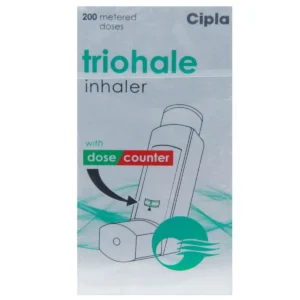
Triohale Inhaler (Tiotropium,Formoterol & Ciclesonide)
Active Ingredient Tiotropium/Formoterol/Ciclesonide Manufacturer Cipla Limited Packaging 200 MDI in 1 Inhaler Delivery Time 6 To 15 days SKU: Triohale Inhaler (Tiotropium/Formoterol/Ciclesonide) Price range: $33.00 through $95.00Triohale Inhaler (Tiotropium,Formoterol & Ciclesonide)
Price range: $33.00 through $95.00 -
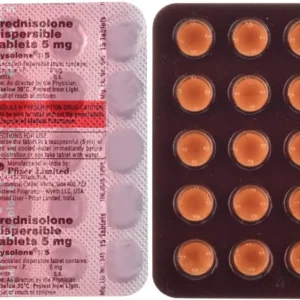 Price range: $12.00 through $48.00
Wysolone 5 Mg (Prednisolone)
Price range: $12.00 through $48.00 -
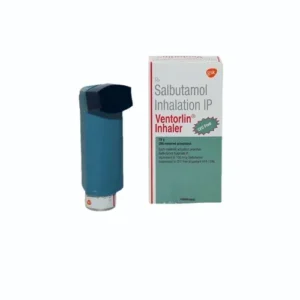
Ventorlin Inhaler 100 Mcg (Salbutamol)
Active Ingredient Salbutamol Manufacturer GlaxoSmithKline Pharmaceuticals Ltd Packaging 200 MDI in 1 Inhaler Strength 100 Mcg Delivery Time 6 To 15 days SKU: Ventorlin Inhaler 100 Mcg (Salbutamol) Price range: $6.00 through $25.00Ventorlin Inhaler 100 Mcg (Salbutamol)
Price range: $6.00 through $25.00 -
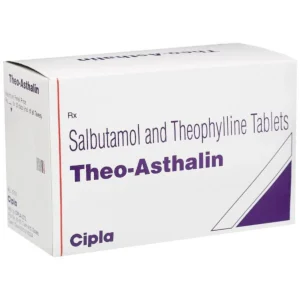
Theo Asthalin Tablet (Salbutamol & Theophylline)
Active Ingredient Salbutamol/Theophylline Manufacturer Cipla Limited Packaging 10 tablets in 1 strip Strength 2mg+100mg Delivery Time 6 To 15 days SKU: Theo Asthalin Tablet (Salbutamol/Theophylline) Price range: $6.48 through $19.50Theo Asthalin Tablet (Salbutamol & Theophylline)
Price range: $6.48 through $19.50 -
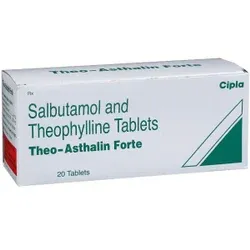
Theo Asthalin Forte (Salbutamol & Theophylline)
Active Ingredient Salbutamol/Theophylline Manufacturer Cipla Limited Packaging 10 tablets in 1 strip Delivery Time 6 To 15 days SKU: Theo Asthalin Forte (Salbutamol/Theophylline) Price range: $6.30 through $18.00Theo Asthalin Forte (Salbutamol & Theophylline)
Price range: $6.30 through $18.00 -
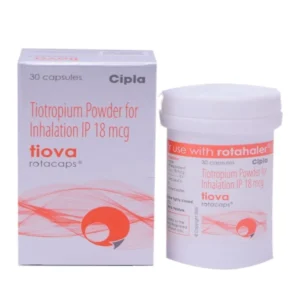
Tiova Rotacaps (Tiotropium Bromide)
Active Ingredient Tiotropium Bromide Manufacturer Cipla Limited Packaging 15 Rotacaps in 1 packet Strength 18 Mcg Delivery Time 6 To 15 days SKU: Tiova Rotacaps (Tiotropium Bromide) Price range: $14.00 through $37.00Tiova Rotacaps (Tiotropium Bromide)
Price range: $14.00 through $37.00 -
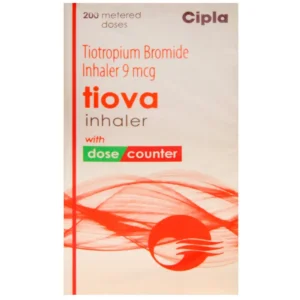
Tiova Inhaler (Tiotropium Bromide)
Active Ingredient Tiotropium Bromide Manufacturer Cipla Limited Packaging 200 MDI in 1 Inhaler Strength 9 Mcg Delivery Time 6 To 15 days SKU: Tiova Inhaler (Tiotropium Bromide) Price range: $15.00 through $42.00Tiova Inhaler (Tiotropium Bromide)
Price range: $15.00 through $42.00 -
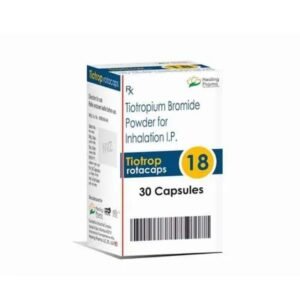
Tiotrop Rotacaps (Tiotropium Bromide)
Active Ingredient Tiotropium Bromide Manufacturer Healing Pharma, India Packaging 15 Rotacaps in 1 packet Strength 18 Mcg Delivery Time 6 To 15 days SKU: Tiotrop Rotacaps (Tiotropium Bromide) Price range: $15.00 through $37.00Tiotrop Rotacaps (Tiotropium Bromide)
Price range: $15.00 through $37.00 -
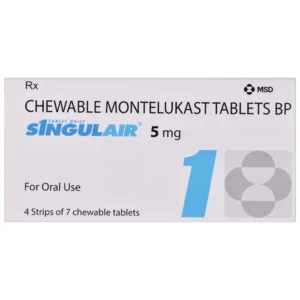
Singulair 5 Mg (Montelukast)
Active Ingredient Montelukast Manufacturer MSD Pharmaceuticals India Pvt. Ltd. Packaging 7 Tablets in strips & 14 tablets in strips Strength 5 Mg, 10 Mg Delivery Time 6 To 15 days SKU: Singulair 5 Mg (Montelukast) Price range: $46.80 through $180.00Singulair 5 Mg (Montelukast)
Price range: $46.80 through $180.00 -
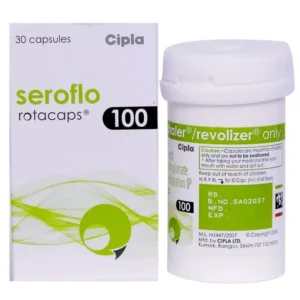
Seroflo Rotacaps 100 Mcg (Salmeterol & Fluticasone)
Active Ingredient Salmeterol/Fluticasone Manufacturer Cipla Limited Packaging 30 Rotacaps in 1 bottle Strength 100 Mcg, 250 Mcg, 500 Mcg Delivery Time 6 To 15 days SKU: Seroflo Rotacaps 100 Mcg (Salmeterol/Fluticasone) Price range: $9.50 through $29.80Seroflo Rotacaps 100 Mcg (Salmeterol & Fluticasone)
Price range: $9.50 through $29.80 -
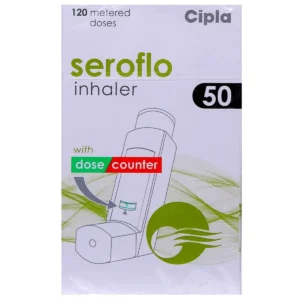
Seroflo Inhaler 50 Mcg (Salmeterol & Fluticasone)
Active Ingredient Salmeterol/Fluticasone Manufacturer Cipla Limited Packaging 120 MDI in 1 Inhaler Strength 50 Mcg, 125 Mcg, 250 Mcg Delivery Time 6 To 15 days SKU: Seroflo Inhaler 50 Mcg (Salmeterol/Fluticasone) Price range: $11.00 through $47.00Seroflo Inhaler 50 Mcg (Salmeterol & Fluticasone)
Price range: $11.00 through $47.00