
Arthritis Treatment Solutions:-
Understanding Arthritis and Management Options:-
Arthritis refers to a group of conditions involving inflammation and pain in the joints, affecting millions of people worldwide. This category encompasses medications and therapeutic products designed to help manage arthritis symptoms, reduce inflammation, improve joint function, and support a better quality of life for those living with various forms of arthritis.
Whether you’re managing osteoarthritis, rheumatoid arthritis, or other joint-related conditions, having access to appropriate treatment options and understanding how they work can help you participate actively in your care plan alongside your healthcare provider.
What Products Are Available in This Category?
This category includes a range of arthritis management products commonly prescribed or recommended for different types of joint conditions:
Nonsteroidal Anti-Inflammatory Drugs (NSAIDs) – Medications that help reduce pain and inflammation in affected joints
Disease-Modifying Antirheumatic Drugs (DMARDs) – Prescription medications that help slow disease progression in inflammatory arthritis
Corticosteroids – Anti-inflammatory medications available in oral, injectable, or topical forms
Analgesics – Pain-relief medications that help manage arthritis discomfort
Biologic Response Modifiers – Advanced prescription treatments that target specific parts of the immune system
Topical Pain Relief Products – Creams, gels, and patches applied directly to painful joints
Joint Supplements – Glucosamine, chondroitin, and other supplements that may support joint health
COX-2 Inhibitors – Selective NSAIDs designed to reduce gastrointestinal side effects
How Do Arthritis Medications Work?
Arthritis treatments work through various mechanisms depending on the type of medication and the condition being managed:
Reducing Inflammation – Many arthritis medications work by blocking inflammatory chemicals in the body, helping to decrease joint swelling, warmth, and stiffness.
Pain Management – Analgesic components help interrupt pain signals, providing relief from joint discomfort without necessarily addressing inflammation.
Immune System Modulation – DMARDs and biologics work by regulating or suppressing overactive immune responses that attack joint tissues in inflammatory arthritis conditions.
Protecting Joint Tissue – Some medications aim to slow cartilage breakdown and may help preserve joint structure over time.
Enzyme Inhibition – NSAIDs work by blocking cyclooxygenase (COX) enzymes that produce prostaglandins, which are chemicals that promote inflammation and pain.
Local Relief – Topical products deliver active ingredients directly to affected areas, potentially minimizing systemic side effects while providing targeted relief.
Treatment approaches often involve combination therapy, where multiple medications work together to address different aspects of arthritis. The specific treatment plan depends on the type of arthritis, severity of symptoms, and individual patient factors.
Safe Usage and Important Considerations:-
Prescription Requirements – Many effective arthritis medications, especially DMARDs and biologics, require a valid prescription and regular monitoring by a healthcare provider.
Follow Prescribed Dosages – Take medications exactly as directed. Do not increase doses without consulting your healthcare provider, as this can increase the risk of side effects.
Gastrointestinal Awareness – NSAIDs can cause stomach upset, ulcers, or bleeding, especially with long-term use. Taking with food and using protective medications may be recommended.
Cardiovascular Considerations – Some arthritis medications may affect heart health or blood pressure. Inform your doctor about any heart conditions or risk factors.
Kidney and Liver Monitoring – Many arthritis medications are processed by the kidneys and liver. Regular blood tests may be necessary to monitor organ function during treatment.
Infection Risk – Medications that suppress the immune system can increase susceptibility to infections. Report fever, unusual symptoms, or signs of infection to your healthcare provider promptly.
Drug Interactions – Arthritis medications can interact with many other drugs, including blood thinners, diabetes medications, and certain supplements. Always disclose your complete medication list.
Pregnancy and Breastfeeding – Many arthritis medications are not safe during pregnancy or breastfeeding. Consult your doctor if you are pregnant, planning pregnancy, or nursing.
Regular Monitoring – Some arthritis medications require periodic blood tests, eye exams, or other monitoring to detect potential side effects early.
Buying Guidance for Patients:-
Verify Your Prescription – Ensure you have a current, valid prescription for prescription-only arthritis medications from a licensed healthcare provider.
Choose Licensed Pharmacies – Purchase medications only from reputable, licensed pharmacies to guarantee product authenticity and quality.
Understand Your Medication – Know the generic and brand names of your medications, their purposes, and how they fit into your overall treatment plan.
Check for Generic Alternatives – Many arthritis medications are available in generic forms that are equally effective but more affordable. Ask your pharmacist about options.
Review Insurance Coverage – Some arthritis medications, particularly biologics, can be expensive. Check your insurance coverage and inquire about patient assistance programs if needed.
Consider Long-Term Supply – For maintenance medications, purchasing larger quantities (such as 90-day supplies) may offer cost savings and convenience.
Read Patient Information – Carefully review patient information leaflets for complete details on usage, side effects, interactions, and contraindications.
Storage Requirements – Some arthritis medications, especially biologics, require refrigeration or specific storage conditions. Ensure you can store medications properly before purchasing.
Ask About Interactions – Inform your pharmacist about all medications, supplements, and herbal products you take to check for potential interactions.
Plan for Refills – Maintain consistent treatment by refilling medications before they run out, especially for conditions requiring continuous therapy.
Frequently Asked Questions?
How long does it take for arthritis medications to work?
The timeline varies significantly by medication type. Over-the-counter NSAIDs may provide relief within hours, while prescription NSAIDs and corticosteroids typically work within days to weeks. DMARDs and biologics usually take longer—often 6 to 12 weeks or more—before noticeable improvement occurs. Some medications require several months to reach full effectiveness. Patience and consistent use as prescribed are essential for optimal results.
Can I take over-the-counter pain relievers with my prescription arthritis medication?
This depends entirely on your specific medications. Combining certain pain relievers, especially multiple NSAIDs, can significantly increase risks of side effects i, including stomach bleeding, kidney damage, and cardiovascular problems. Never combine arthritis medications without explicit approval from your healthcare provider or pharmacist, who can evaluate your complete medication regimen for safety.
What should I do if I miss a dose of my arthritis medication?
Instructions for missed doses vary by medication. For daily medications, generally take the missed dose as soon as you remember, unless it’s almost time for your next scheduled dose—never double up. For weekly or monthly medications (like some DMARDs or biologics), contact your healthcare provider for specific guidance. Keep track of your medication schedule and consider using reminders to maintain consistency.
Are there serious side effects I should watch for with arthritis medications?
Yes, certain side effects require immediate medical attention. Contact your healthcare provider or seek emergency care if you experience: signs of gastrointestinal bleeding (black or bloody stools, vomiting blood), symptoms of infection (fever, persistent cough, unusual fatigue), allergic reactions (difficulty breathing, severe rash, swelling), chest pain, sudden vision changes, or signs of liver problems (yellowing skin or eyes, dark urine, severe abdominal pain). Regular monitoring helps catch potential issues early.
Medical Disclaimer:-
This content is for informational purposes only and does not constitute medical advice, diagnosis, or treatment recommendations. Arthritis management requires individualized care from qualified healthcare providers. Always consult with your doctor or rheumatologist before starting, stopping, or changing any medication. Treatment plans should be tailored to your specific condition, medical history, and individual needs.
-

Lefumide 10 Mg (Leflunomide)
Active Ingredient Leflunomide Manufacturer Cipla Limited Packaging 10 tablets in 1 strip Strength 10 Mg Delivery Time 6 to 15 days SKU: Lefumide 10 Mg (Leflunomide) Price range: $28.00 through $201.00Lefumide 10 Mg (Leflunomide)
Price range: $28.00 through $201.00 -

Cyclophil Me 25mg (Cyclosporine)
Active Ingredient Cyclosporine Manufacturer Biocon Limited Packaging 5 capsules in 1 strip, 6 capsules in 1 strip Strength 25mg, 50mg, 100mg Delivery Time 6 To 15 days SKU: Cyclophil Me 25mg (Cyclosporine) Price range: $21.00 through $200.00Cyclophil Me 25mg (Cyclosporine)
Price range: $21.00 through $200.00 -
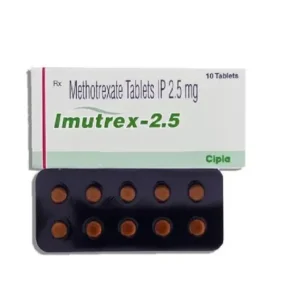
Imutrex 2.5 Mg (Methotrexate)
Active Ingredient Methotrexate Manufacturer Cipla Limited Packaging 10 tablets in 1 strip Strength 2.5 Mg, 7.5 Mg, 10 Mg Delivery Time 6 To 15 days SKU: Imutrex 2.5 Mg (Methotrexate) Price range: $27.00 through $195.00Imutrex 2.5 Mg (Methotrexate)
Price range: $27.00 through $195.00