
Antibiotics:-
Understanding Antibiotics and Their Role in Treatment:-
Antibiotics are prescription medications used to treat bacterial infections. They work by either killing bacteria or preventing them from multiplying, allowing the body’s immune system to fight off the infection more effectively. Antibiotics are among the most commonly prescribed medications worldwide and have saved countless lives since their discovery.
It’s important to understand that antibiotics are only effective against bacterial infections—they do not work against viral infections such as the common cold, flu, or most coughs and sore throats. Using antibiotics appropriately helps ensure they remain effective for future generations.
What Types of Infections May Require Antibiotics?
Antibiotics may be prescribed for various bacterial infections affecting different parts of the body:
Respiratory Infections – Bacterial pneumonia, bronchitis, sinusitis, and certain throat infections
Skin and Soft Tissue Infections – Cellulitis, wound infections, abscesses, and impetigo
Urinary Tract Infections (UTIs) – Bladder infections, kidney infections, and related urinary conditions
Ear Infections – Bacterial middle ear infections, particularly in children
Dental Infections – Tooth abscesses and gum infections
Gastrointestinal Infections – Certain bacterial stomach and intestinal infections
Eye Infections – Bacterial conjunctivitis and other ocular infections
Sexually Transmitted Infections – Bacterial STIs such as chlamydia, gonorrhea, and syphilis
Bone and Joint Infections – Osteomyelitis and septic arthritis
Your healthcare provider will determine whether an antibiotic is necessary based on your symptoms, medical history, and sometimes diagnostic tests.
Common Types of Antibiotics Available:-
This category includes various classes of antibiotics, each with different mechanisms and uses:
Penicillins – Among the oldest and most widely used antibiotics, effective against many common bacterial infections
Cephalosporins – Broad-spectrum antibiotics related to penicillins, available in multiple generations
Macrolides – Often used for respiratory infections and as alternatives for people with penicillin allergies
Fluoroquinolones – Broad-spectrum antibiotics for various infections, typically reserved for specific situations
Tetracyclines – Used for respiratory infections, acne, and certain other conditions
Sulfonamides – Often used for urinary tract infections and some other bacterial conditions
Aminoglycosides – Typically used for serious infections, often administered in hospital settings
Nitrofurans – Commonly used for urinary tract infections
Each antibiotic class works differently and is selected based on the type of infection, bacteria involved, patient allergies, and other medical factors.
How Do Antibiotics Work?
Antibiotics combat bacterial infections through two primary mechanisms:
Bactericidal Action – Some antibiotics kill bacteria directly by disrupting essential functions such as cell wall synthesis, protein production, or DNA replication. When bacteria cannot maintain these critical processes, they die.
Bacteriostatic Action – Other antibiotics stop bacteria from multiplying by interfering with their growth and reproduction. This gives the immune system time to eliminate the infection naturally.
Targeting Specific Bacteria – Different antibiotics work against different types of bacteria. Some are “narrow-spectrum,” targeting specific bacteria types, while others are “broad-spectrum,” effective against a wider range of bacteria.
The effectiveness of an antibiotic depends on reaching the infection site in adequate concentrations, which is why following dosing instructions precisely is crucial.
Critical Safe Usage Information:-
Prescription Only – All antibiotics require a valid prescription from a licensed healthcare provider. They should never be shared, borrowed, or used without prior medical evaluation.
Complete the Full Course – Always finish the entire prescribed course, even if you feel better before it’s finished. Stopping early can lead to treatment failure and antibiotic resistance.
Take as directed – Follow dosing schedules precisely. Some antibiotics should be taken with food, others on an empty stomach. Timing between doses is important for maintaining effective levels in your body.
Antibiotic Resistance – Misuse and overuse of antibiotics contribute to antibiotic resistance, where bacteria evolve to survive antibiotic treatment. This is a serious global health concern.
Allergic Reactions – Some people are allergic to certain antibiotics, particularly penicillins. Allergic reactions can range from mild rashes to severe, life-threatening anaphylaxis. Always inform your healthcare provider of any known drug allergies.
Drug Interactions – Antibiotics can interact with other medications, including oral contraceptives, blood thinners, and antacids. Inform your doctor and pharmacist of all medications and supplements you take.
Side Effects – Common side effects include nausea, diarrhea, and stomach upset. Severe side effects require immediate medical attention.
Pregnancy and Breastfeeding – Some antibiotics are safe during pregnancy and breastfeeding, while others are not. Always inform your healthcare provider if you are pregnant, planning pregnancy, or nursing.
Alcohol Interaction – Some antibiotics have dangerous interactions with alcohol. Check with your pharmacist about alcohol restrictions with your specific medication.
Buying Guidance for Patients:-
Valid Prescription Required – Ensure you have a current prescription from a licensed healthcare provider. Reputable pharmacies will not dispense antibiotics without proper authorization.
Verify Pharmacy Credentials – Purchase from licensed, regulated pharmacies to ensure medication authenticity and quality. Check for proper licensing and regulatory compliance.
Confirm Medication Details – Verify the antibiotic name, strength, quantity, and dosing instructions match your prescription exactly.
Ask About Generic Options – Generic antibiotics contain the same active ingredients as brand-name versions and are equally effective, often at loaa lowerst.
Check Expiration Dates – Never use expired antibiotics, as they may be ineffective or potentially harmful.
Request Patient Information – Review the patient information leaflet or medication guide for complete usage instructions, side effects, and warnings.
Consult Your Pharmacist – Pharmacists are valuable resources for questions about proper use, potential interactions, food restrictions, and side effects.
Storage Requirements – Some antibiotics require refrigeration, while others should be stored at room temperature. Follow storage instructions carefully.
Insurance and Costs – Check your insurance coverage and compare costs between pharmacies if paying out-of-pocket. Some antibiotics are available on affordable generic medication programs.
Consider Timing – Start your antibiotic course when prescribed, particularly for acute infections where timely treatment matters.
Frequently Asked Questions?
Why can’t I get antibiotics without a prescription?
Antibiotics require professional medical evaluation because inappropriate use can lead to treatment failure, side effects, allergic reactions, and antibiotic resistance—a serious threat to public health. Healthcare providers must diagnose bacterial infections, select the appropriate antibiotic, determine correct dosing, and consider the patient’s medical history, allergies, and other medications. Prescription requirements protect both individual and public health.
What happens if I don’t finish my antibiotic course?
Not completing your full antibiotic course can lead to several problems: the infection may not be fully eliminated and can return, sometimes more severely; surviving bacteria may develop resistance to that antibiotic, making future infections harder to treat; and you may need a longer or stronger treatment later. Always complete the prescribed duration unless your healthcare provider specifically instructs otherwise.
Can I take antibiotics left over from a previous prescription?
No, you should never use leftover antibiotics or antibiotics prescribed for someone else. Each infection requires a specific diagnosis and appropriate antibiotic selection. Using the wrong antibiotic can be ineffective, cause unnecessary side effects, promote antibiotic resistance, and delay proper treatment. If you have leftover antibiotics, return them to a pharmacy for proper disposal.
How quickly should antibiotics start working?
Most people begin feeling better within 48-72 hours of starting antibiotics, though some improvement may be noticed within 24 hours. However, feeling better doesn’t mean the infection is completely gone—bacteria may still be present, which is why completing the full course is essential. If you don’t notice any improvement after 2-3 days, or if symptoms worsen, contact your healthcare provider.
Medical Disclaimer:-
This content is for informational purposes only and does not constitute medical advice. Antibiotics should only be used under the guidance of a qualified healthcare provider who can properly diagnose your condition and prescribe appropriate treatment. Never self-medicate with antibiotics or use medications prescribed for others. If you suspect a bacterial infection, consult with a healthcare professional for proper evaluation and treatment.
-
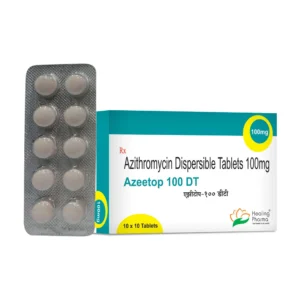
Azeetop 100 Dt
Active Ingredient Azithromycin Manufacturer Healing Pharma, India Packaging 10 tablets in 1 strip Strength 100mg Delivery Time 6 To 15 days SKU: Azeetop 100 Dt Price range: $37.00 through $93.00Azeetop 100 Dt
Price range: $37.00 through $93.00 -

S Amcard 2.5 Mg
Active Ingredient Amlodipine Manufacturer Systopic Laboratories Pvt Ltd Packaging 10 tablets in 1 strip Strength 2.5 Mg Delivery Time 6 To 15 days SKU: Amcard 2.5 Mg Price range: $36.62 through $63.00S Amcard 2.5 Mg
Price range: $36.62 through $63.00 -
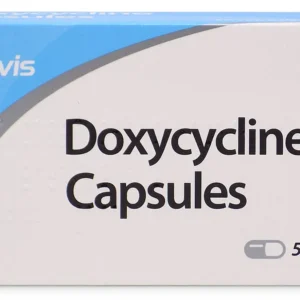
Doxycycline 100 Mg
Active Ingredient Doxycycline Manufacturer Omega Pharma Packaging 10 capsules in 1 strip Strength 100mg Delivery Time 6 To 15 days SKU: Doxycycline 100 Mg Price range: $20.00 through $55.00Doxycycline 100 Mg
Price range: $20.00 through $55.00 -
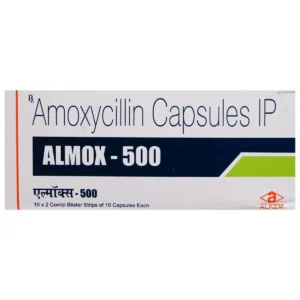
Almox 500 Mg
Active Ingredient Amoxicilin Manufacturer Alkem Laboratories Limited Packaging 10 tablets in 1 strip Strength 500 Mg Delivery Time 6 To 15 days SKU: Almox 500 Mg Price range: $28.20 through $43.20Almox 500 Mg
Price range: $28.20 through $43.20 -
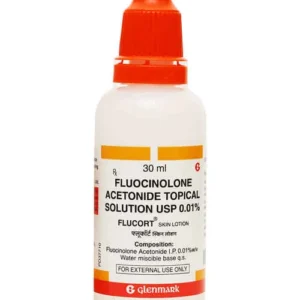
Flucort Skin Lotion 30ml (Fluocinolone)
Active Ingredient Fluocinolone Manufacturer Glenmark Pharmaceuticals Ltd. Packaging 30 ml in 1 bottle Strength 30ml Delivery Time 6 To 15 days SKU: Flucort Skin Lotion 30ml (Fluocinolone) Price range: $7.00 through $36.00Flucort Skin Lotion 30ml (Fluocinolone)
Price range: $7.00 through $36.00 -

Althrocin 250 Mg
Active Ingredient Erythromycin Manufacturer Alembic Pharmaceuticals, India Packaging 10 tablets in 1 strip Strength 250 Mg Delivery Time 6 To 15 days SKU: Althrocin 250 Mg Price range: $7.25 through $34.60Althrocin 250 Mg
Price range: $7.25 through $34.60 -
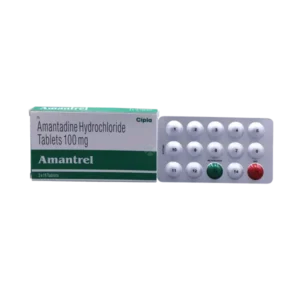
Amantrel 100 Mg
Active Ingredient Amantadine Hcl Manufacturer Cipla, India Packaging 15 Capsule in 1 strip Strength 100 Mg Delivery Time 6 To 15 days SKU: Amantrel 100 Mg Price range: $9.00 through $24.00Amantrel 100 Mg
Price range: $9.00 through $24.00 -
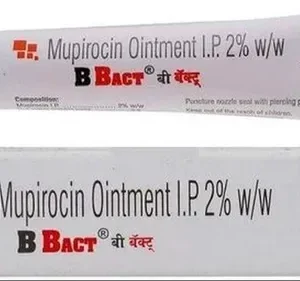
B-Bact Ointment 5 GM (Mupirocin)
Active Ingredient Mupirocin Manufacturer Wallace Pharmaceuticals Pvt. Ltd. Packaging 5 gm in 1 tube Strength 5gm Delivery Time 6 to 15 days SKU: B-Bact Ointment 5 GM (Mupirocin) Price range: $4.00 through $21.00B-Bact Ointment 5 GM (Mupirocin)
Price range: $4.00 through $21.00 -
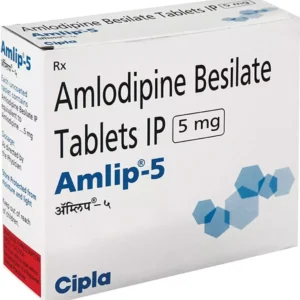
Amlip 5 Mg
Active Ingredient Amlodipine Manufacturer Cipla, India Packaging 10 tablets in 1 strip Strength 5 Mg Delivery Time 6 To 15 days SKU: Amlip 5 Mg Price range: $6.60 through $16.60Amlip 5 Mg
Price range: $6.60 through $16.60 -

Soframycin Cream (Framycetin Sulphate)
Active Ingredient Framycetin Sulphate Manufacturer Sanofi India Limited Packaging 30 gm in 1 tube Strength 1% Delivery Time 6 to 15 days SKU: Soframycin Cream (Framycetin Sulphate) Price range: $3.00 through $15.00Soframycin Cream (Framycetin Sulphate)
Price range: $3.00 through $15.00