
Anti-Rejection Drugs (Immunosuppressants):-
Understanding Anti-Rejection Medications:-
Anti-rejection drugs, also known as immunosuppressants, are specialized medications prescribed to prevent the body’s immune system from rejecting transplanted organs or tissues. These medications are essential for transplant recipients and play a critical role in long-term transplant success and patient survival.
This category features prescription medications designed to suppress immune system activity in a controlled manner, allowing transplanted organs to function properly without being attacked by the body’s natural defense mechanisms.
What Conditions Require Anti-Rejection Medications?
Anti-rejection drugs are primarily prescribed for individuals who have received:
Solid Organ Transplants – Including kidney, liver, heart, lung, and pancreas transplants
Bone Marrow/Stem Cell Transplants – To prevent graft-versus-host disease (GVHD)
Combined Organ Transplants – Such as kidney-pancreas or heart-lung transplants
Tissue Transplants – Including corneal and skin transplants in certain cases
Additionally, some immunosuppressants may be prescribed for certain autoimmune conditions when other treatments have not been effective, though this falls outside the primary anti-rejection indication.
Common Anti-Rejection Medications Available:-
This category includes various classes of immunosuppressive medications:
Calcineurin Inhibitors – Tacrolimus and Cyclosporine, which are cornerstone medications in transplant protocols
Antiproliferative Agents – Mycophenolate mofetil and Azathioprine, which prevent immune cell multiplication
mTOR Inhibitors – Sirolimus and Everolimus, which block specific immune system pathways
Corticosteroids – Prednisone and Methylprednisolone, which provide broad anti-inflammatory effects
Antibody Therapies – Specialized biologic medications used during transplant and rejection episodes
Costimulation Blockers – Belatacept and similar agents used in specific transplant protocols
Each medication serves a specific purpose, and transplant recipients typically take a combination of these drugs tailored to their individual needs.
How Do Anti-Rejection Drugs Work?
Anti-rejection medications work by suppressing various components of the immune system to prevent it from recognizing transplanted organs as foreign tissue:
Inhibiting T-Cell Activation – Many immunosuppressants target T-lymphocytes, which are key immune cells that would otherwise attack transplanted organs.
Blocking Cell Division – Some medications prevent immune cells from multiplying, reducing the overall immune response.
Interfering with Immune Signaling – Certain drugs disrupt chemical signals that coordinate immune attacks on transplanted tissue.
Reducing Inflammation – Corticosteroids and other agents help control inflammatory responses that could damage the transplant.
Depleting Specific Immune Cells – Antibody therapies can temporarily remove particular immune cells from circulation.
These medications must maintain a delicate balance—suppressing the immune system enough to protect the transplant while preserving sufficient immunity to fight infections and diseases.
Critical Safe Usage and Monitoring Requirements:-
Prescription Only – All anti-rejection medications require prescriptions from transplant specialists or authorized healthcare providers. These are not available over the counter.
Strict Adherence Essential – Taking medications exactly as prescribed at the same times each day is critical. Missing doses can trigger rejection episodes that may be irreversible.
Regular Blood Monitoring – Frequent blood tests are necessary to monitor drug levels, organ function, and potential side effects. Blood level monitoring ensures therapeutic levels are maintained.
Infection Risk – Immunosuppression increases susceptibility to bacterial, viral, and fungal infections. Report any signs of infection immediately to your healthcare team.
Drug Interactions – Anti-rejection drugs interact with numerous medications, supplements, and even some foods (particularly grapefruit). Always inform all healthcare providers about your immunosuppressive regimen.
Pregnancy Considerations – Many immunosuppressants can cause birth defects or complications. Transplant recipients should discuss family planning thoroughly with their transplant team.
Cancer Risk Awareness – Long-term immunosuppression increases the risk of certain cancers, particularly skin cancers and lymphomas. Regular screenings are essential.
Never Adjust Doses Independently – Dose changes must only be made under direct supervision of your transplant team, as this can precipitate rejection.
Storage Requirements – Some anti-rejection medications require specific storage conditions, including refrigeration. Follow storage instructions precisely.
Buying Guidance for Transplant Patients:-
Verify Prescription Accuracy** – Ensure your prescription matches your transplant team’s instructions exactly, including specific brand requirements if applicable.
Brand vs. Generic Considerations – Some transplant centers prefer specific brands of immunosuppressants due to bioavailability concerns. Verify with your transplant coordinator before switching between brands or generics.
Maintain Continuous Supply – Never let your medication run out. Order refills at least one week before running out to account for potential delays.
Verify Pharmacy Credentials – Purchase only from licensed, accredited pharmacies experienced in handling transplant medications.
Check Medication Upon Receipt – Verify that you received the correct medication, strength, and quantity. Check expiration dates before accepting delivery.
Insurance and Financial Assistance – Anti-rejection medications can be expensive. Explore insurance coverage, manufacturer assistance programs, and transplant center resources for financial support.
Temperature-Controlled Shipping – Some immunosuppressants require temperature-controlled shipping. Verify appropriate packaging if ordering by mail.
Keep Emergency Supply – Consider maintaining a small emergency supply for unexpected situations, with your transplant team’s guidance.
Document Lot Numbers – Keep records of medication lot numbers in case of recalls or quality concerns.
Coordinate with Transplant Pharmacy – Many transplant centers have specialized pharmacies familiar with your specific regimen and can provide valuable guidance.
Frequently Asked Questions?
What happens if I miss a dose of my anti-rejection medication?
Missing doses of anti-rejection medication is serious and can increase rejection risk. If you miss a dose, contact your transplant coordinator immediately for guidance. Generally, if it’s within a few hours of your scheduled time, take it as soon as you remember. If it’s close to your next dose, do not double up—follow your transplant team’s specific instructions. Never make this decision independently, as protocols vary by medication and time elapsed.
Can I switch between brand name and generic anti-rejection drugs?
This decision must be made by your transplant team, not independently. While generic immunosuppressants are FDA-approved, some transplant centers prefer specific brands due to concerns about bioavailability consistency. Switching formulations can affect blood levels and potentially increase rejection risk. Any switch requires close monitoring with blood level checks. Always consult your transplant physician before making any changes.
How long will I need to take anti-rejection medications after my transplant?
Most transplant recipients require lifelong immunosuppression to protect their transplanted organ. While doses may be adjusted over time—often decreasing gradually in the years following transplant—completely stopping anti-rejection medications typically results in organ rejection. Your maintenance regimen will be individualized based on your rejection risk, time since transplant, and overall health status. This is a lifelong commitment for the vast majority of transplant recipients.
Why do I need regular blood tests while taking these medications?
Regular blood monitoring serves multiple critical purposes: measuring drug levels to ensure they’re in the therapeutic range (not too high causing toxicity, not too low risking rejection), assessing organ function to detect early signs of rejection or medication toxicity, monitoring blood cell counts since immunosuppressants can affect production, and checking for metabolic changes that may require intervention. Testing frequency is highest immediately after transplant and continues regularly throughout your life, though intervals may lengthen over time.
Critical Medical Notice:-
Anti-rejection medications are highly specialized prescription drugs that require expert medical supervision. This content is for informational purposes only and does not replace the guidance of your transplant team. Always follow your transplant center’s specific protocols and contact your transplant coordinator with any questions or concerns. Your transplant team is your primary resource for all medication-related decisions and should be contacted immediately if you experience any concerning symptoms or medication issues.
-
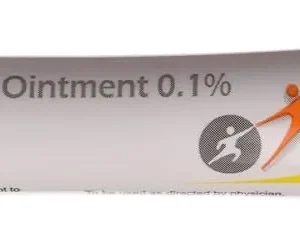
Topgraf 0.1% Ointment (Tacrolimus)
Active Ingredient Tacrolimus Manufacturer GlaxoSmithKline Pharmaceuticals Ltd Packaging 10 gm in 1 tube Strength 10g Delivery Time 6 To 15 days SKU: Topgraf 0.1% Ointment (Tacrolimus) Price range: $7.00 through $75.00Topgraf 0.1% Ointment (Tacrolimus)
Price range: $7.00 through $75.00 -
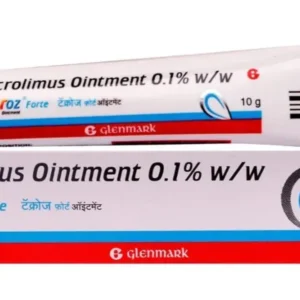
Tacroz Forte Ointment 10GM (Tacrolimus)
Active Ingredient Tacrolimus Manufacturer Glenmark Pharmaceuticals Ltd. Packaging 10 gm in 1 tube Strength 10g Delivery Time 6 To 15 days SKU: Tacroz Forte Ointment 10G(Tacrolimus) Price range: $12.00 through $66.00Tacroz Forte Ointment 10GM (Tacrolimus)
Price range: $12.00 through $66.00 -
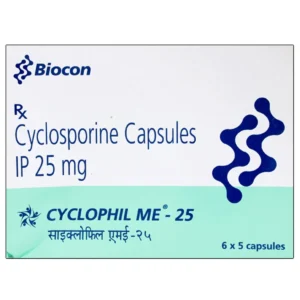
Cyclophil Me 25mg (Cyclosporine)
Active Ingredient Cyclosporine Manufacturer Biocon Limited Packaging 5 capsules in 1 strip, 6 capsules in 1 strip Strength 25mg, 50mg, 100mg Delivery Time 6 To 15 days SKU: Cyclophil Me 25mg (Cyclosporine) Price range: $21.00 through $200.00Cyclophil Me 25mg (Cyclosporine)
Price range: $21.00 through $200.00