Acne Treatments & Medications
What This Category Covers
Acne is a widespread skin condition that occurs when hair follicles become clogged with oil and dead skin cells, leading to pimples, blackheads, whiteheads, and sometimes deeper lumps. This category contains prescription and over-the-counter medications designed to help manage various forms of acne.
Finding the right acne treatment often involves understanding the different options available and working with a healthcare provider to determine what may be most suitable for your individual skin needs.
Common Acne Medications and Products
This category includes various types of acne treatments, each designed to address different aspects of acne formation:
Topical Retinoids – Derivatives of vitamin A applied to the skin to help prevent pore blockages
Benzoyl Peroxide Preparations – Formulations that work to reduce bacteria and clear blocked pores
Topical Antibiotics – Applied directly to affected areas to help reduce bacterial presence on skin
Oral Antibiotics – Taken by mouth for more widespread or resistant acne concerns
Azelaic Acid Products – Topical treatments with antibacterial and anti-inflammatory properties
Salicylic Acid Formulations – Help exfoliate skin and keep pores clear
Hormonal Medications – Certain prescription treatments that address hormone-related acne
Combination Products – Treatments containing multiple active ingredients working together
Isotretinoin – A powerful prescription medication for severe acne cases
How Acne Medications Generally Work
Different acne treatments target various factors that contribute to acne development:
Reducing Bacteria Growth – Many treatments help decrease the presence of bacteria on the skin that can contribute to inflammation and breakouts.
Preventing Pore Blockages – Some medications work by promoting skin cell turnover and preventing dead cells from clogging pores.
Controlling Oil Production – Certain treatments help regulate the amount of sebum (natural skin oil) produced by oil glands.
Reducing Inflammation – Anti-inflammatory ingredients help minimize redness, swelling, and discomfort associated with acne lesions.
Addressing Hormonal Factors – Some prescription options work by regulating hormones that can trigger increased oil production and acne formation.
Most acne treatments require several weeks of consistent use before noticeable improvements occur. The timeline varies based on the medication type, acne severity, and individual response.
Safe Usage Considerations
Prescription Verification – Many effective acne medications are prescription-only. Ensure you have valid authorization from a licensed healthcare provider before purchasing.
Follow Instructions Precisely – Use medications exactly as directed. Using more than recommended does not produce faster results and may increase side effects.
Sun Protection Is Essential – Many acne treatments make skin more sensitive to sunlight. Daily broad-spectrum sunscreen is important during treatment.
Be Aware of Common Side Effects – Dryness, peeling, redness, and mild irritation are typical when starting treatment. These often improve as skin adjusts.
Pregnancy and Nursing Considerations – Some acne medications can cause serious harm during pregnancy. Always inform your healthcare provider if you are pregnant, planning pregnancy, or breastfeeding.
Allow Time for Results – Visible improvements typically take 8-12 weeks. Some people may experience temporary worsening before improvement occurs.
Monitor for Serious Reactions – While rare, severe allergic reactions or unusual symptoms require immediate medical attention.
Avoid Product Conflicts – Using too many active treatments simultaneously can cause excessive irritation. Consult a healthcare professional before combining products.
Guidance for Purchasing Acne Treatments
Obtain Proper Authorization – Verify you have a current prescription for any prescription-only medications.
Purchase from Legitimate Sources – Use licensed, regulated pharmacies to ensure product authenticity and quality.
Understand Product Formulations – Acne treatments come in various forms (gels, creams, lotions, foams). Gels often suit oily skin, while creams may be better for drier skin types.
Check Active Ingredient Concentrations – The same ingredient may be available in different strengths. Ensure you’re purchasing the prescribed concentration.
Review Complete Product Information – Read patient information leaflets thoroughly to understand proper usage, potential side effects, and storage requirements.
Ask Questions – Don’t hesitate to consult with pharmacists about proper application, expected timelines, or potential interactions.
Consider Starting Products – If beginning a new treatment, some healthcare providers recommend starting with lower frequencies to assess tolerance.
Verify Expiration Dates – Check that products have adequate shelf life remaining.
Understand Storage Needs – Some medications require specific storage conditions to maintain effectiveness.
Frequently Asked Questions About Acne Treatments
Why is my acne worse after starting treatment?
Some people experience initial “purging,” where acne temporarily worsens during the first few weeks. This happens as the medication accelerates the skin’s natural cycle, bringing underlying blockages to the surface faster. This usually resolves within 4-6 weeks. If worsening is severe or continues beyond this timeframe, consult your healthcare provider.
Do I need a prescription for all acne medications?
No. Mild acne treatments containing ingredients like benzoyl peroxide (up to certain concentrations) and salicylic acid are available without a prescription. However, topical retinoids, oral antibiotics, isotretinoin, and hormonal treatments require a valid prescription from a licensed healthcare provider.
Can I use moisturizer with acne medication?
Yes, moisturizer is often recommended, especially since many acne treatments cause dryness. Use non-comedogenic (won’t clog pores) moisturizers. Apply acne medication first, allow it to absorb, then apply moisturizer. Your healthcare provider or pharmacist can recommend suitable products.
Are there age limits for acne medications?
Some acne treatments have age restrictions or require special considerations for children, adolescents, or older adults. For example, certain oral medications may not be approved for very young children. Your healthcare provider will consider age appropriateness when prescribing treatment.
Important Notice:-
This information is educational and does not replace professional medical advice. Acne treatment should be individualized based on your specific condition, medical history, and other factors. Always consult with a qualified healthcare provider for proper diagnosis and treatment recommendations. Individual results vary, and not all treatments are suitable for everyone.
-
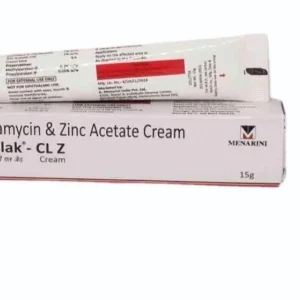
Acnelak-CLZ Cream (Clindamycin & Zinc acetate)
Active Ingredient Clindamycin/Zinc acetate Manufacturer Menarini India Pvt Ltd Packaging 15 gm in 1 tube Strength 15gm Delivery Time 6 To 15 days SKU: Acnelak-CLZ Cream (Clindamycin/Zinc acetate) Price range: $7.00 through $23.00Acnelak-CLZ Cream (Clindamycin & Zinc acetate)
Price range: $7.00 through $23.00 -
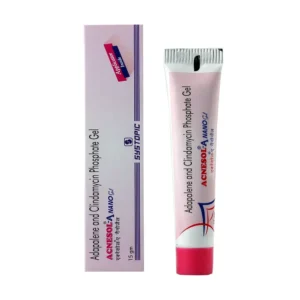
Acnesol A Nano Gel 15gm (Adapalene 0.1% & Clindamycin 1%)
Active Ingredient Clindamycin Manufacturer Systopic Laboratories Pvt Ltd Packaging 20 gm in 1 tube Strength 15gm Delivery Time 6 To 15 days SKU: Acnesol A Nano Gel 15gm (Adapalene 0.1% / Clindamycin 1%) Price range: $24.00 through $60.00Acnesol A Nano Gel 15gm (Adapalene 0.1% & Clindamycin 1%)
Price range: $24.00 through $60.00 -
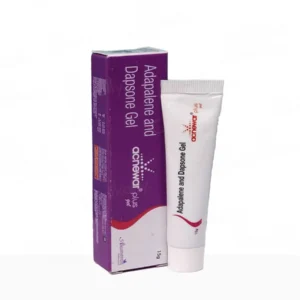
Acnewar Plus Gel (Dapsone & Adapalene)
Active Ingredient Dapsone/Adapalene Manufacturer Akumentis Healthcare Ltd Packaging 15 gm in 1 tube Strength 15gm Delivery Time 6 To 15 days SKU: Acnewar Plus Gel (Dapsone/Adapalene) Price range: $10.00 through $54.00Acnewar Plus Gel (Dapsone & Adapalene)
Price range: $10.00 through $54.00 -
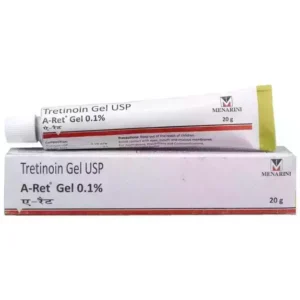
A Ret Gel 0.1%
Active Ingredient Tretinoin Manufacturer Menarini India Pvt Ltd Packaging 20g in Gel Strength 0.1% Delivery Time 6 To 15 days SKU: A Ret Gel 0.1% (Tretinoin) Price range: $28.00 through $74.00A Ret Gel 0.1%
Price range: $28.00 through $74.00 -
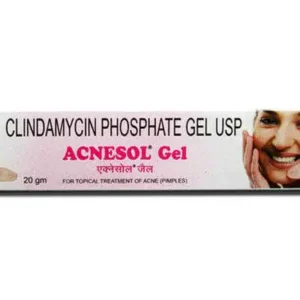
Acnesol Gel 1 (Clindamycin)
Active Ingredient Clindamycin Manufacturer Systopic Laboratories Pvt Ltd Packaging 20 gm in 1 tube Strength 20g Delivery Time 6 To 15 days SKU: Acnesol Gel 1 Price range: $20.00 through $50.00Acnesol Gel 1 (Clindamycin)
Price range: $20.00 through $50.00 -
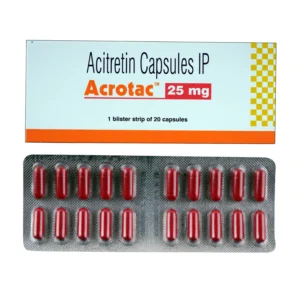
Acrotac 25mg (Acitretin)
Active Ingredient Acitretin Manufacturer Sun Pharmaceutical Industries Ltd Packaging 20 capsules in 1 strip Strength 25mg Delivery Time 6 To 15 days SKU: Acrotac 25mg (Acitretin) Price range: $90.00 through $245.00Acrotac 25mg (Acitretin)
Price range: $90.00 through $245.00 -
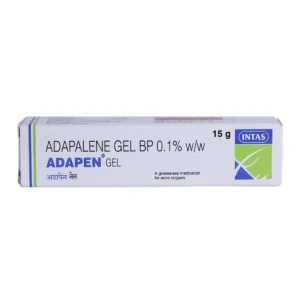
Adapen Gel (Adapalene)
Active Ingredient Adapalene Manufacturer Intas Pharmaceuticals Ltd Packaging 15 gm in 1 tube Strength 0.1% Delivery Time 6 To 15 days SKU: Adapen Gel (Adapalene) Price range: $8.00 through $40.00Adapen Gel (Adapalene)
Price range: $8.00 through $40.00 -
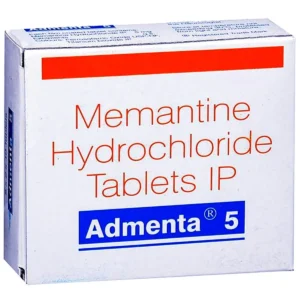
Admenta 5mg (Memantine)
Active Ingredient Memantine Manufacturer Sun Pharmaceutical Industries Ltd Packaging 10 tablets in 1 strip Strength 5mg Delivery Time 6 To 15 days SKU: Admenta 5mg (Memantine) Price range: $10.00 through $37.00Admenta 5mg (Memantine)
Price range: $10.00 through $37.00 -
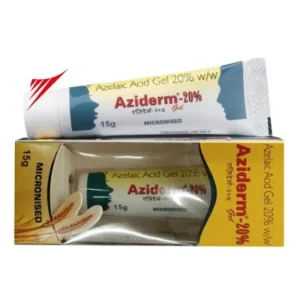
Aziderm 20% Gel (Azelaic Acid)
Active Ingredient Azelaic Acid Manufacturer Micro Labs Limited Packaging 15 gm in 1 tube Strength 20% Delivery Time 6 To 15 days SKU: Aziderm 20% Gel (Azelaic Acid) Price range: $42.00 through $110.00Aziderm 20% Gel (Azelaic Acid)
Price range: $42.00 through $110.00 -
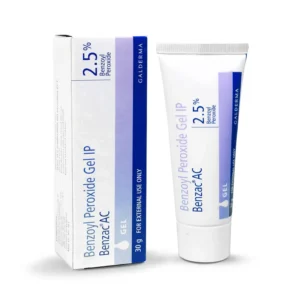
Benzac AC 2.5% Gel
Active Ingredient Benzoyl Peroxide Manufacturer Galderma India Pvt Ltd Packaging 20gm in 1 Tube Strength 20 Gm Delivery Time 6 To 15 days SKU: Benzac AC 2.5% Gel Price range: $16.00 through $50.00Benzac AC 2.5% Gel
Price range: $16.00 through $50.00 -
Brevoxyl Creamy Wash (Benzoyl Peroxide)
Active Ingredient Benzoyl Peroxide Manufacturer Glaxo SmithKline Pharmaceuticals Ltd Packaging 50 gm in 1 tube Delivery Time 6 To 15 days SKU: Brevoxyl Creamy Wash (Benzoyl Peroxide) Price range: $8.00 through $36.00Brevoxyl Creamy Wash (Benzoyl Peroxide)
Price range: $8.00 through $36.00 -
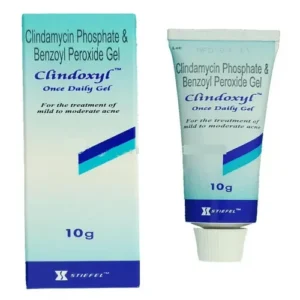
Clindoxyl Gel (Clindamycin & Benzoyl Peroxide)
Active Ingredient Clindamycin/Benzoyl Peroxide Manufacturer GlaxoSmithKline Pharmaceuticals Ltd Packaging 15 gm in 1 tube Strength 15gm Delivery Time 6 To 15 days SKU: Clindoxyl Gel (Clindamycin/Benzoyl Peroxide) Price range: $15.00 through $79.00Clindoxyl Gel (Clindamycin & Benzoyl Peroxide)
Price range: $15.00 through $79.00