Chickenpox Medicines & Treatment Products:-
Chickenpox (varicella) is a highly contagious viral infection that primarily affects children, though adults can also contract it. While the condition typically resolves on its own, various medications and treatment products can help manage symptoms, reduce discomfort, and prevent complications during the recovery period.
What This Category Covers?
This category includes medications and healthcare products commonly used to manage chickenpox symptoms and support recovery. These products are designed to address the various discomforts associated with the infection, including:
Symptom Relief Medications:
– Antihistamines for itch relief
– Pain relievers and fever reducers (paracetamol-based products)
– Topical anti-itch lotions and creams
– Calamine preparations
– Cooling gels and soothing skin treatments
Antiviral Medications:
– Prescription antiviral drugs (when prescribed by a healthcare provider)
– Products that may help reduce the severity and duration of infection in certain cases
Supportive Care Products:
– Antibacterial soaps and cleansers
– Wound care supplies
– Hydration support products
– Skin barrier creams to prevent secondary infections
Note: This category does not provide chickenpox vaccines. Vaccination queries should be directed to your GP or local pharmacy vaccination services.
How Chickenpox Treatments Generally Work?
Different products work through various mechanisms to provide relief and support healing:
Antihistamines work by blocking histamine receptors in the body, which helps reduce the intense itching associated with chickenpox blisters. This can prevent scratching, which may lead to scarring or secondary bacterial infections.
Fever reducers and pain relievers, like paracetamol, help lower elevated body temperature and ease general discomfort. These medications work by affecting the body’s temperature regulation center and reducing inflammation responses.
Topical treatments such as calamine lotion provide a cooling sensation on the skin and create a protective barrier over the blisters. These products help soothe irritated skin and may reduce the urge to scratch.
Antiviral medications, when prescribed, work by interfering with the virus’s ability to replicate. These are typically reserved for individuals at higher risk of complications, including adults, pregnant women, newborns, and those with weakened immune systems.
Emollient creams and moisturizers help maintain skin hydration and support the natural healing process as blisters crust over and heal.
Safe Usage Awareness:-
When using chickenpox treatment products, keep these important safety considerations in mind:
– Age-appropriate products: Always check that any medication is suitable for the patient’s age. Some products have minimum age requirements
– Aspirin warning: Never give aspirin or aspirin-containing products to children or teenagers with chickenpox, as this can lead to a serious condition called Reye’s syndrome
– Prescription requirements: Some antiviral medications require a prescription and medical assessment before use
– Dosage accuracy: Follow dosing instructions carefully, especially for children. Use the measuring device provided with liquid medications
– Avoid cross-contamination: Chickenpox is highly contagious. Wash your hands thoroughly before and after applying topical treatments
– Secondary infections: Watch for signs of bacterial infection, such as increasing redness, warmth, pus, or worsening pain around blisters
– Existing health conditions: Inform your healthcare provider about any existing medical conditions or other medications being taken
– Pregnancy and breastfeeding: Consult a healthcare professional before using any chickenpox treatment during pregnancy or while breastfeeding
Buying Guidance for Patients:-
When purchasing chickenpox treatment products online, consider the following:
Consult First: If this is the first occurrence of chickenpox, or if symptoms are severe, consult a healthcare professional before purchasing treatments. Some situations require medical assessment, including chickenpox in adults, pregnant women, infants, or immunocompromised individuals.
Check Product Suitability: Verify that products are appropriate for the patient’s age and any existing health conditions. Read product information carefully before purchasing.
Prescription Items: Antiviral medications typically require a valid prescription. Ensure you have appropriate documentation before attempting to purchase prescription-only medicines.
Symptom Matching: Choose products that target the specific symptoms you’re experiencing. Not everyone with chickenpox needs the same treatments.
Quality Assurance: Purchase from registered and regulated online pharmacies. Look for regulatory approval marks and proper licensing information on the website.
Quantity Considerations: Chickenpox typically lasts 7-10 days. Consider purchasing sufficient quantities to last through the recovery period, but avoid excessive stockpiling of medications.
Temperature-Sensitive Products: Some topical treatments may need to be stored at specific temperatures. Check storage requirements before ordering, especially during warm weather.
Delivery Timeframes: Order early if possible, as chickenpox symptoms can worsen quickly in the first few days. Consider delivery times when placing your order.
Read Reviews and Information: Product descriptions and patient reviews can provide helpful insights into effectiveness and ease of use, particularly for children’s products.
Frequently Asked Questions?
1. Can I buy chickenpox treatment without seeing a doctor?
Many over-the-counter products for symptom relief, such as antihistamines, calamine lotion, paracetamol, and cooling gels, can be purchased without a prescription. However, antiviral medications require a prescription and medical assessment. If you’re unsure whether chickenpox requires medical attention—particularly for adults, pregnant women, infants under one year, or individuals with weakened immune systems—it’s advisable to consult a healthcare professional before self-treating.
2. How long does chickenpox typically last, and when should I use medication?
Chickenpox usually lasts 7-10 days from the first appearance of spots. Fever and feeling unwell typically occur in the first few days, followed by the characteristic itchy rash that develops into blisters. Symptom relief medications can be used throughout this period as needed. Fever reducers are most useful in the first 3-5 days, while anti-itch treatments may be needed for the full duration until all blisters have crusted over. If symptoms persist beyond two weeks or worsen significantly, seek medical advice.
3. Are there any medications I should specifically avoid when treating chickenpox?
Yes. Never give aspirin or ibuprofen to children with chickenpox. Aspirin can cause Reye’s syndrome, a rare but serious condition affecting the liver and brain. Ibuprofen has been associated with an increased risk of serious skin infections in children with chickenpox. Paracetamol is the recommended pain and fever reliever for chickenpox. Additionally, avoid using topical antibiotic creams unless specifically directed by a healthcare provider, as most chickenpox blisters do not require antibiotics.
4. Can adults use the same chickenpox treatments as children?
While many chickenpox treatments are suitable for both adults and children, dosages differ significantly. Adults may require higher doses of oral medications, and some products have different formulations for adults versus children. Chickenpox in adults is often more severe and may warrant prescription antiviral treatment. Always check the product labeling for age-appropriate dosing, and consult with a pharmacist or healthcare provider if uncertain about appropriate treatment choices.
Medical Disclaimer:-
This content is for informational purposes only and does not constitute medical advice. Always consult a qualified healthcare professional for diagnosis and treatment recommendations specific to your individual circumstances. If you experience severe symptoms, difficulty breathing, confusion, or signs of serious infection, seek immediate medical attention.
-
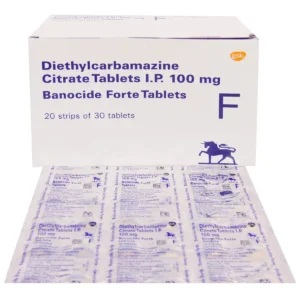
Banocide Forte 100 Mg (Diethylcarbamazine)
Active Ingredient Diethylcarbamazine Manufacturer GlaxoSmithKline Pharmaceuticals Ltd Packaging 20 tablets in 1 strip & 30 tablets in 1 strip Strength 100mg Delivery Time 6 To 15 days SKU: Banocide Forte 100 Mg (Diethylcarbamazine) Price range: $13.50 through $25.50 -
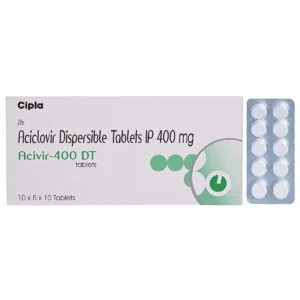
Aciclovir 400 Mg (Acyclovir)
Active Ingredient Acyclovir Manufacturer Healing Pharma, India Packaging 10 Tablets in Strip Strength 400mg Delivery Time 6 To 15 days SKU: Aciclovir 400 Mg (Acyclovir) Price range: $34.00 through $90.00 -
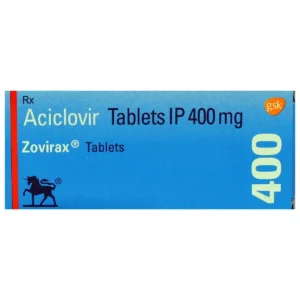
Zovirax 400 Mg (Acyclovir)
Active Ingredient Acyclovir Manufacturer GlaxoSmithKline Pharmaceuticals Ltd Packaging 5 tablets in 1 strip, 10 tablets in 1 strip Strength 200mg, 400mg, 800mg Delivery Time 6 To 15 days SKU: Zovirax 400mg (Acyclovir) Price range: $31.50 through $174.00 -
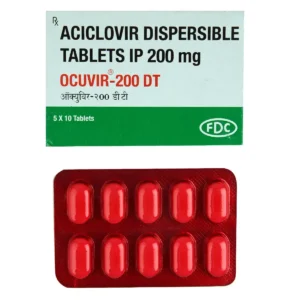
Ocuvir DT 200 Mg (Acyclovir)
Active Ingredient Acyclovir Manufacturer FDC Ltd Packaging 5 Tablets in Strip & 10 Tablets in Strip Strength 200mg, 400mg, 800mg Delivery Time 6 To 15 days SKU: Ocuvir DT 200 Mg (Acyclovir) Price range: $27.00 through $252.00 -
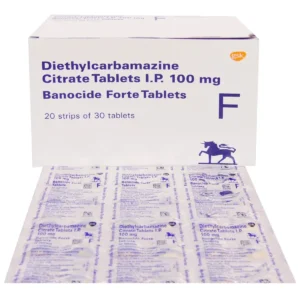
Banocide Forte 50 Mg (Diethylcarbamazine)
Active Ingredient Diethylcarbamazine Manufacturer GlaxoSmithKline Pharmaceuticals Ltd Packaging 20 tablets in 1 strip & 30 tablets in 1 strip Strength 50mg Delivery Time 6 To 15 days SKU: Banocide Forte 50 Mg (Diethylcarbamazine) Price range: $10.80 through $21.00 -
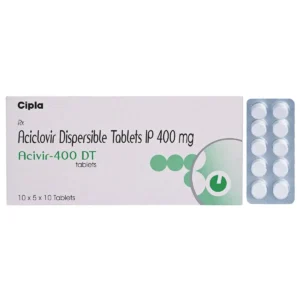
Acivir DT 400 Mg (Acyclovir)
Active Ingredient Acyclovir Manufacturer Cipla Limited Packaging 5 Tablets & 10 Tablets in Strips Strength 400mg, 800mg Delivery Time 6 To 15 days SKU: Acivir DT 400 Mg (Acyclovir) Price range: $52.20 through $255.00 -
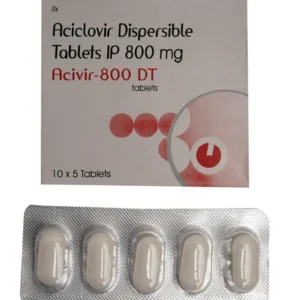
Aciclovir 800 Mg (Acyclovir)
Active Ingredient Acyclovir Manufacturer Healing Pharma, India Packaging 10 Tablets in Strip Strength 800mg Delivery Time 6 To 15 days SKU: Aciclovir 800 Mg (Acyclovir) Price range: $99.00 through $270.00